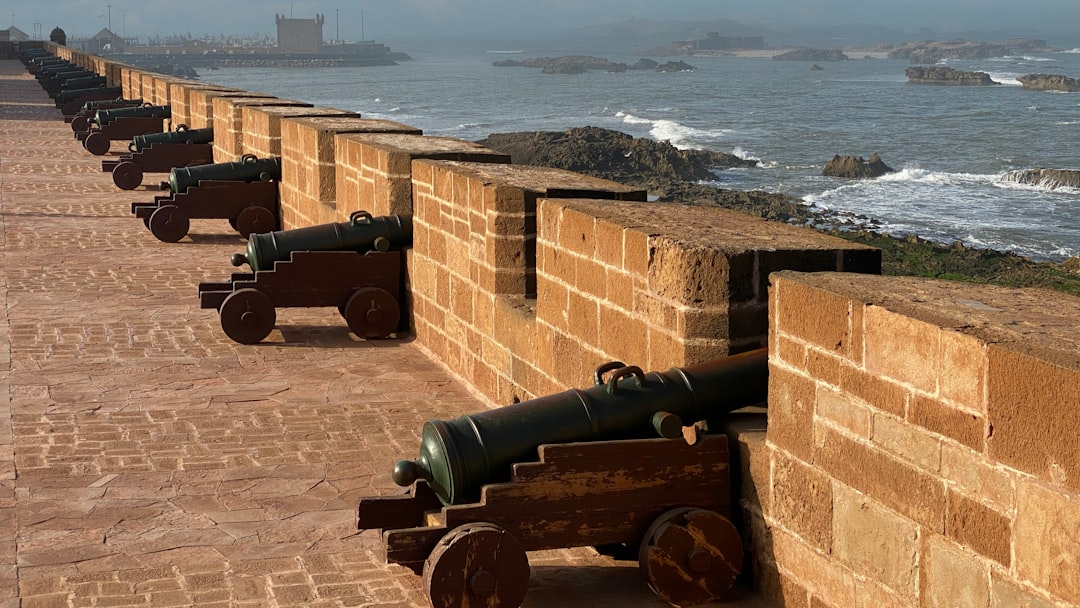

Thick walls rise up to 5.5 meters for six levels above the waters of the Atlantic: this is the first impact with the Castillo San Felipe del Morro, the Spanish fortress that has dominated the entrance to San Juan Bay for centuries. Built starting from 1539, this military structure is one of the best-preserved examples of colonial Spanish defensive architecture in the entire Western Hemisphere, and is part of the UNESCO World Heritage Site along with the nearby Castillo San Cristóbal.
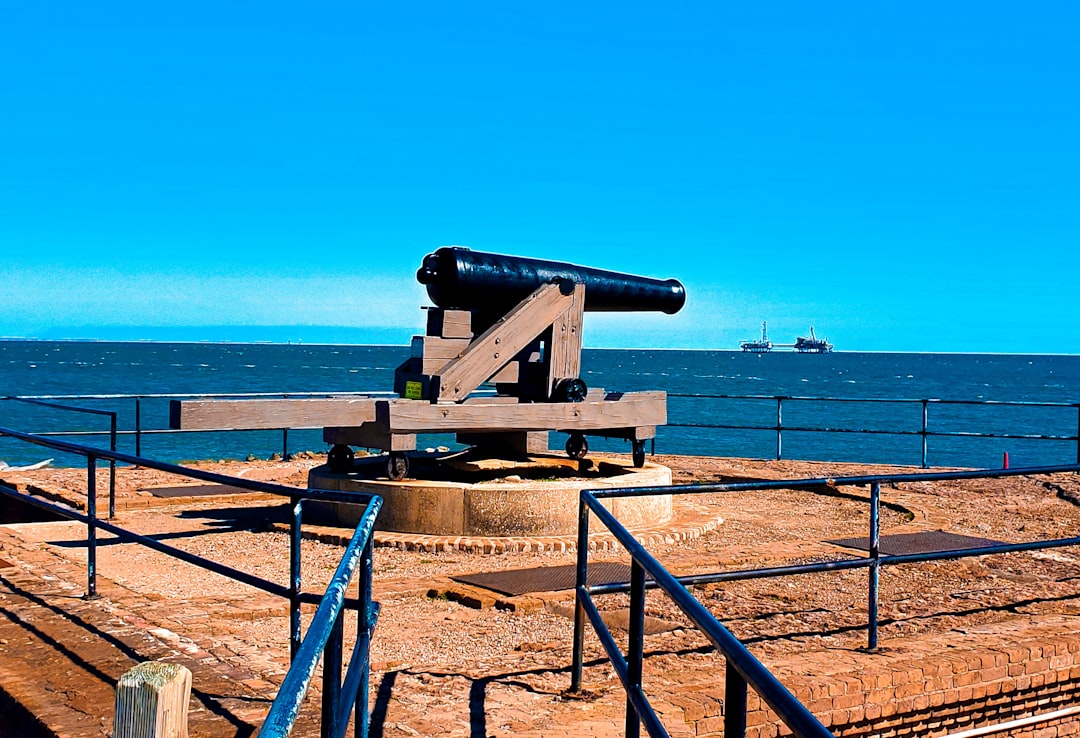
The fort is named after Philip II of Spain, the monarch under whose reign the major expansion works were carried out in the 16th century. Military engineer Juan de Tejeda and designer Bautista Antonelli significantly contributed to its final shape between the late 1500s and early 1600s, transforming what was initially a modest bastion into one of the most imposing fortresses in the Caribbean. The structure occupies about 10 hectares at the northwestern tip of the island of San Juan.
The defensive architecture: levels, bastions, and sentry boxes
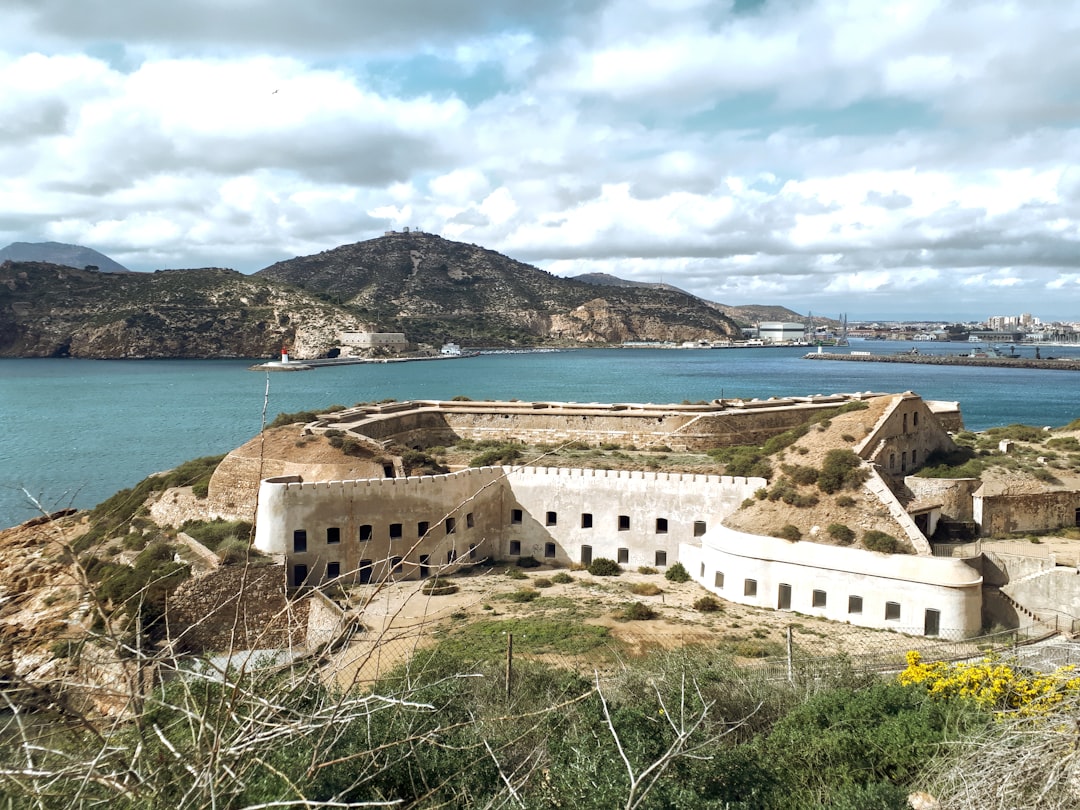
Visiting El Morro means reading history through stone. The fortress is organized into six levels connected by ramps and internal stairs, each designed to accommodate cannons and defenders in strategically overlapping positions. From the upper platform, which is located about 43 meters above sea level, the view spans the entire bay and the open ocean: a perspective that immediately explains why this point was so crucial for controlling maritime traffic.
One of the most photographed architectural elements is the sentry boxes, the small circular towers that jut out from the corners of the walls. Having become an iconic symbol of Puerto Rico to the point of appearing on the official coat of arms of the island, these structures had a precise practical function: allowing sentinels to observe the flanks of the walls without exposing themselves to enemy fire. Their inverted bell shape, with narrow loopholes, is a detail worth closely observing while walking along the outer perimeter of the fort.
The materials and construction techniques of Spain
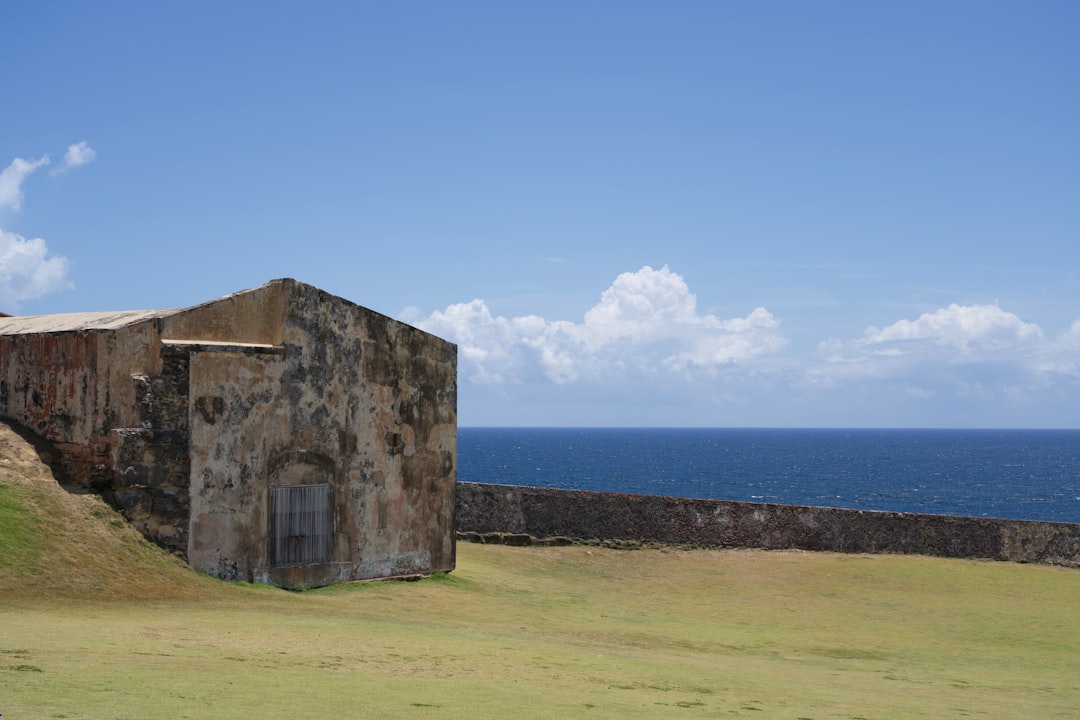
The walls of the Castle are mainly built of local limestone extracted from the island itself, a material that has shown extraordinary resistance to tropical humidity and Atlantic storms over five centuries. In some places, it is possible to observe the different overlapping construction phases: the oldest stone, darker in color due to oxidation, is clearly distinguishable from the subsequent restoration interventions.
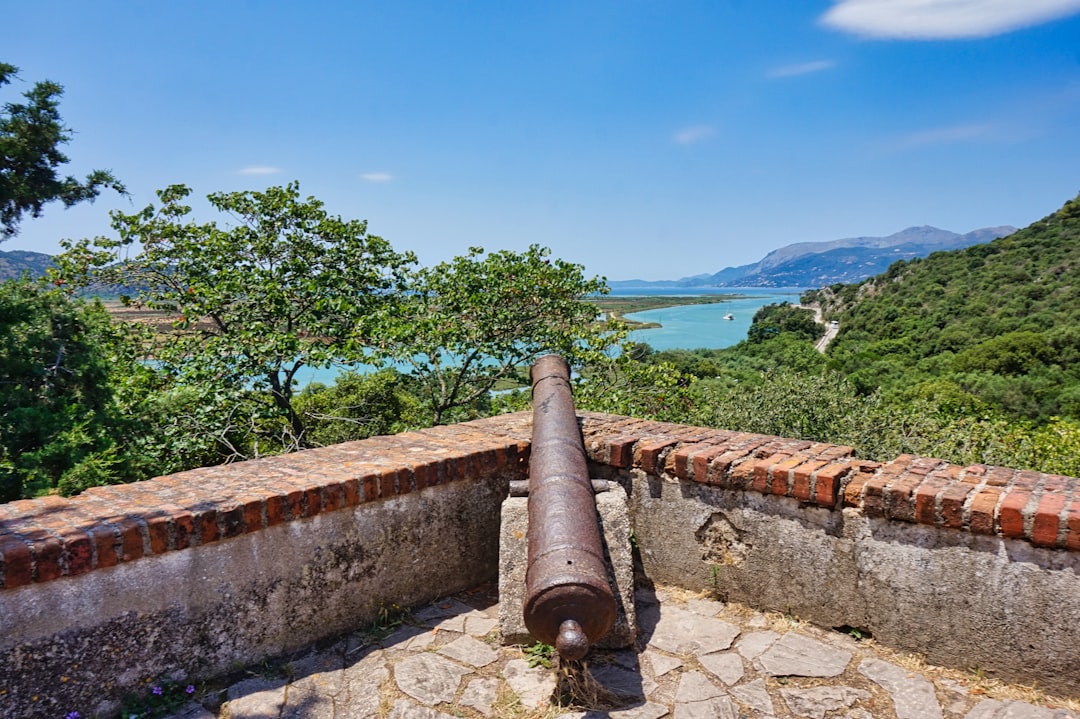
Inside, the gunpowder magazines and barracks still retain the original structure with brick barrel vaults. Particularly interesting is the system of underground cisterns for collecting rainwater, essential in the event of a prolonged siege. These underground spaces, accessible during the visit, provide a concrete idea of the living conditions of the soldiers of the Spanish garrison.
The historical context: repelled attacks and missed conquests
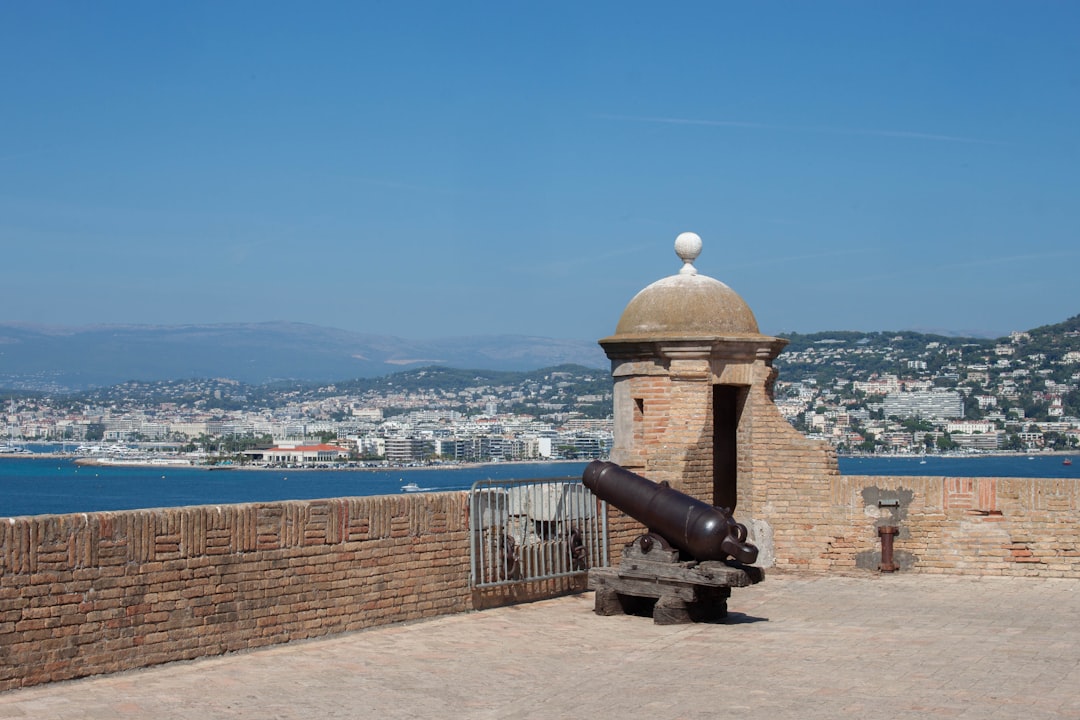
El Morro resisted several significant attacks. In 1595, Sir Francis Drake attempted to take San Juan by sea with an English fleet, but the cannon fire from the fort forced the British ships to retreat. Three years later, in 1598, the Earl of Cumberland managed to conquer the city by land, bypassing the maritime defenses, but had to abandon it shortly after due to an outbreak of dysentery. In 1625, it was the turn of the Dutch, led by Boudewijn Hendricksz, who burned part of the city but were unable to capture the castle.
These events are documented in the informational panels located within the fortress, managed by the National Park Service as part of the San Juan National Historic Site. The texts are available in both English and Spanish, and provide an accurate chronological account of the events that involved the structure up to the Spanish-American War of 1898.
Practical tips for the visit
The entrance ticket, which also includes access to Castillo San Cristóbal, costs 10 dollars for adults (free for those under 15 years old). The fortress is open every day, generally from 9:00 AM to 6:00 PM, with hours that may vary during peak season. The most useful advice is to arrive within the first hours of the morning: in addition to avoiding the crowds of organized groups, the morning light illuminates the limestone walls with golden hues that make photography much more effective compared to the central hours of the day.
Wearing comfortable shoes with non-slip soles is essential: the internal ramps and stone floors can be slippery, especially after rain. From the fort, there is direct access to the large green lawn of the Campo del Morro, where locals fly kites in the afternoon: a daily detail that contrasts strikingly with the military severity of the walls behind.