


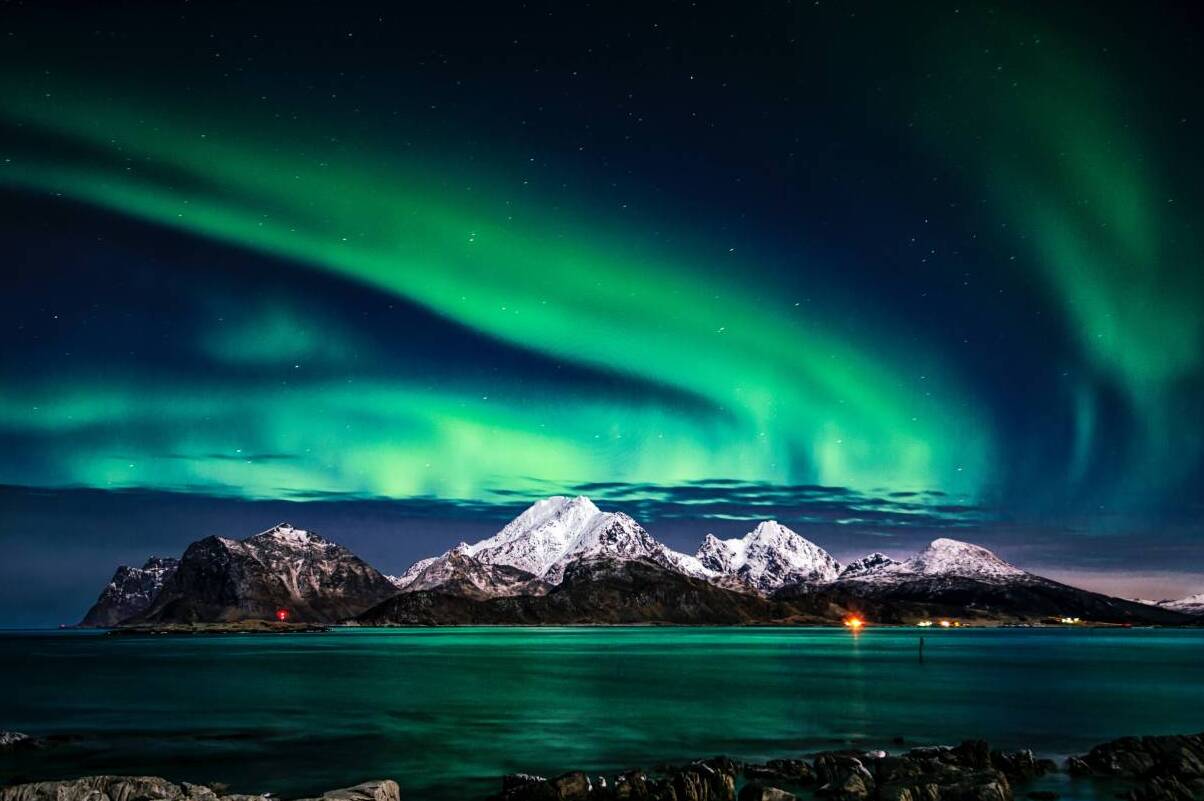
In the wintry expanse of Finland, the night sky holds a mesmerizing secret that has captured hearts and imaginations for centuries: the Aurora Borealis. Known for its ethereal dance of lights, this natural phenomenon, also called the Northern Lights, is a spectacular display that draws thousands of visitors every year.
The origins of the Aurora Borealis are steeped in both science and mythology. Scientifically, these lights are the result of charged particles from the sun colliding with atoms in Earth's atmosphere, causing bursts of light that can be seen in the polar regions. Historically, the lights have inspired countless legends. The indigenous Sámi people of Finnish Lapland referred to them as “revontulet” or “fox fires,” believing that the lights were caused by a mystical Arctic fox running across the snow, its tail scattering sparks into the sky.
Finnish architecture and art have been influenced by the natural beauty of the Aurora. The minimalist designs of Finland's famed architects, such as Alvar Aalto, often seek to harmonize with the land, drawing inspiration from the serene winter landscapes where the Northern Lights can be seen. Artworks by Finnish painters like Akseli Gallen-Kallela have captured these luminous skies, reflecting their significance in Finnish culture.
Culturally, the Northern Lights are celebrated through various festivals and traditions. In Lapland, winter festivals often coincide with the best viewing times for the auroras, offering visitors a chance to combine cultural experiences with celestial ones. Events like the Rovaniemi Aurora Week invite tourists to engage with local customs and celebrate this natural wonder.
Gastronomy in Finland is deeply connected to the land and its seasons. Traditional dishes like karjalanpiirakka (Karelian pies) and lohikeitto (salmon soup) provide warmth and comfort during the cold seasons. In the north, reindeer meat is a staple, often prepared as poronkäristys, a sautéed reindeer dish that pairs well with the crisp air of a Northern Lights viewing.
For those seeking lesser-known curiosities, the village of Luosto offers an intriguing experience. Here, you can find the Amethyst Mine, where visitors are invited to dig for their own gemstones, said to be formed millions of years ago. The mine's location within the Pyhä-Luosto National Park provides a perfect setting to witness the Northern Lights, far from city lights.
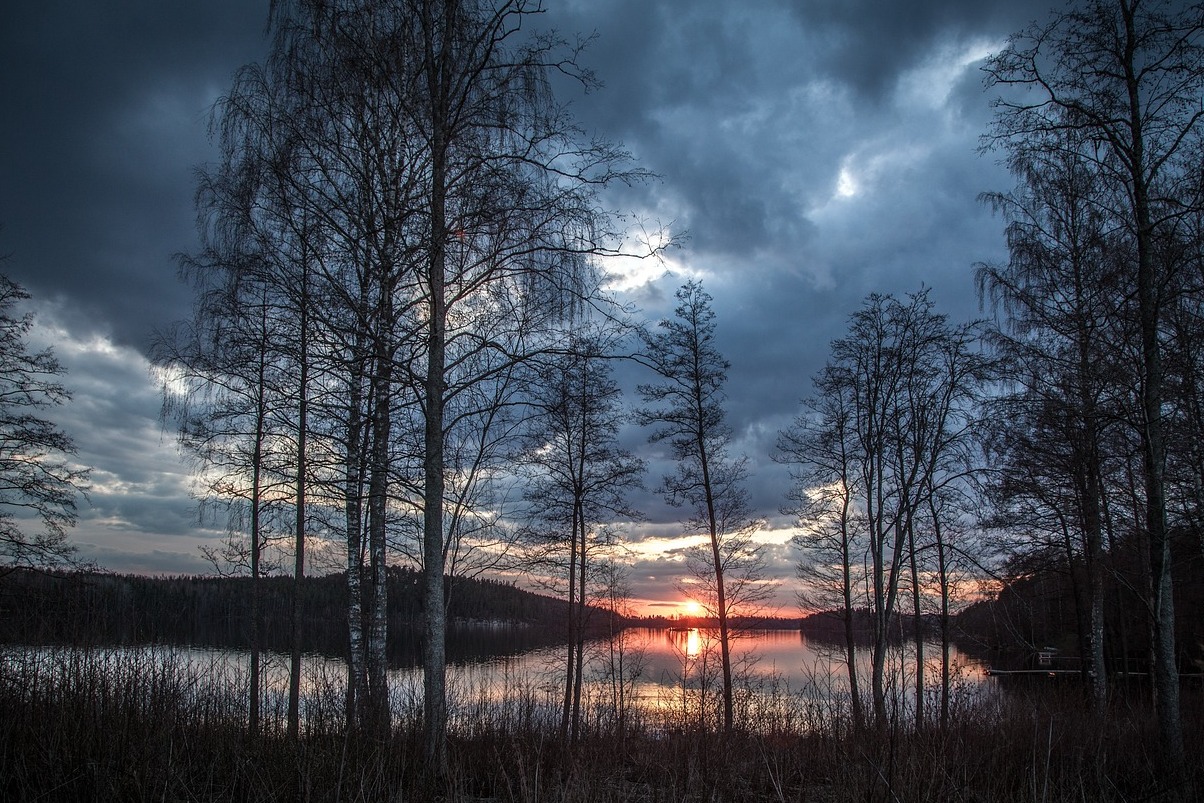
Practical information for visitors is crucial for maximizing the Aurora Borealis experience. The best time to visit is between September and March, when the nights are longest and the skies are darkest. Saariselkä, a resort area in the north, offers some of the best opportunities to see the auroras with its clear skies and low light pollution. Dress warmly, as temperatures can plummet, and consider staying in a glass igloo or aurora cabin for an unforgettable view right from your bed.
To truly immerse yourself in the magic of Finland and the Northern Lights, plan your trip with the Secret World app for a personalized AI itinerary that caters to your unique travel interests.