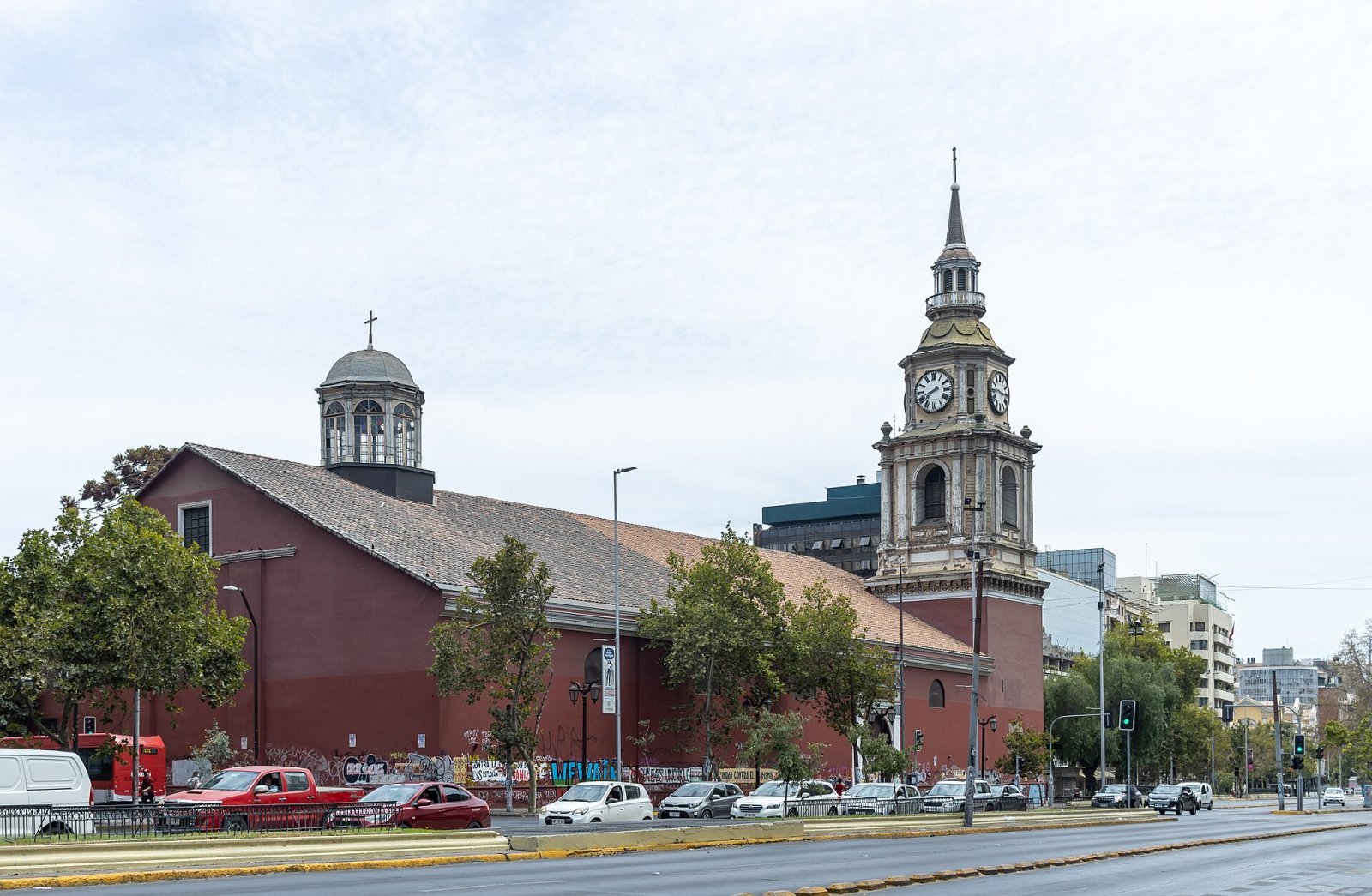

In the heart of Valdivia, one of the most charming cities in Chile, stands majestically the Iglesia San Francisco, a monument that embodies the history and culture of this region. Built between 1586 and 1628, it is the oldest building in the city, a silent witness to centuries of historical and natural events. This church is not only a place of worship but a symbol of the resilience of the Valdivian community, having withstood three major earthquakes that have struck the area.
Recognized as a National Monument of Chile, the Iglesia San Francisco stands out for its colonial architecture and the artistic details that adorn it. Its importance transcends mere religious aspects, becoming a cultural and historical landmark for visitors and residents of Valdivia.
Historical and Cultural Context
The Iglesia San Francisco was built during a time of great religious and colonial fervor, reflecting the Spanish influence in the region. The church, dedicated to Saint Francis, has been a center of spiritual life for the colonizers and the indigenous population, symbolizing the meeting of different cultures and traditions. Its wooden structure, typical of the constructions of the time, is an example of how architecture adapted to local resources and climatic conditions.
Over the centuries, the Iglesia San Francisco has undergone various modifications and restorations, but its essence remains intact. The church is often at the center of cultural and religious events, helping to keep local traditions alive. Its presence is a draw for artists, historians, and tourists eager to discover the roots of Valdivia and Chile.