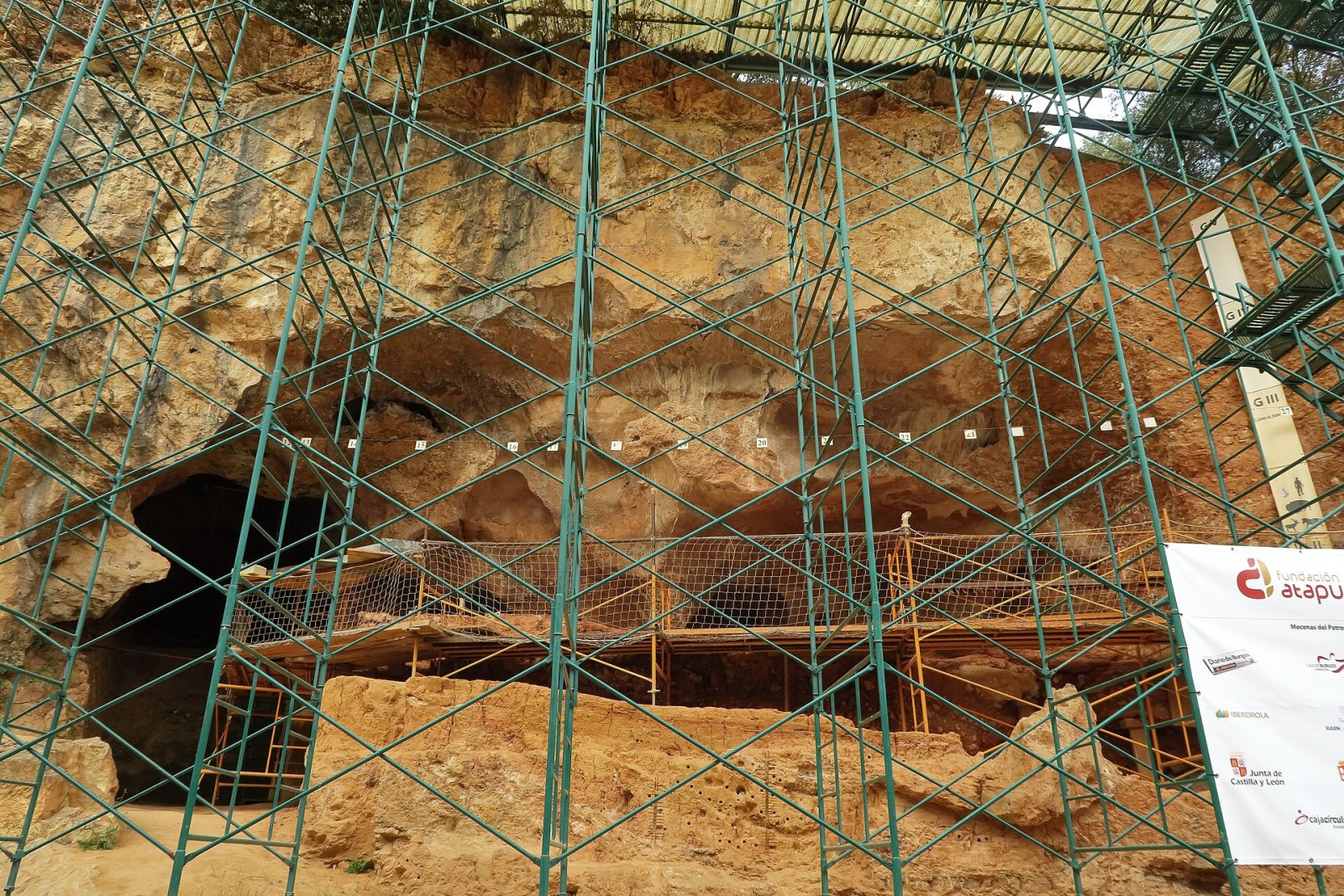

In the heart of Castile and León, just a few kilometers from the historic city of Burgos, lies the Atapuerca archaeological site, a place that tells a millennia-old and fascinating story. Here, among the karst mountains, some of the oldest hominid fossils in Europe have been discovered, offering a unique window into our evolution. Atapuerca is not just an archaeological site; it is a journey through time, an opportunity to reflect on the origins of humanity.
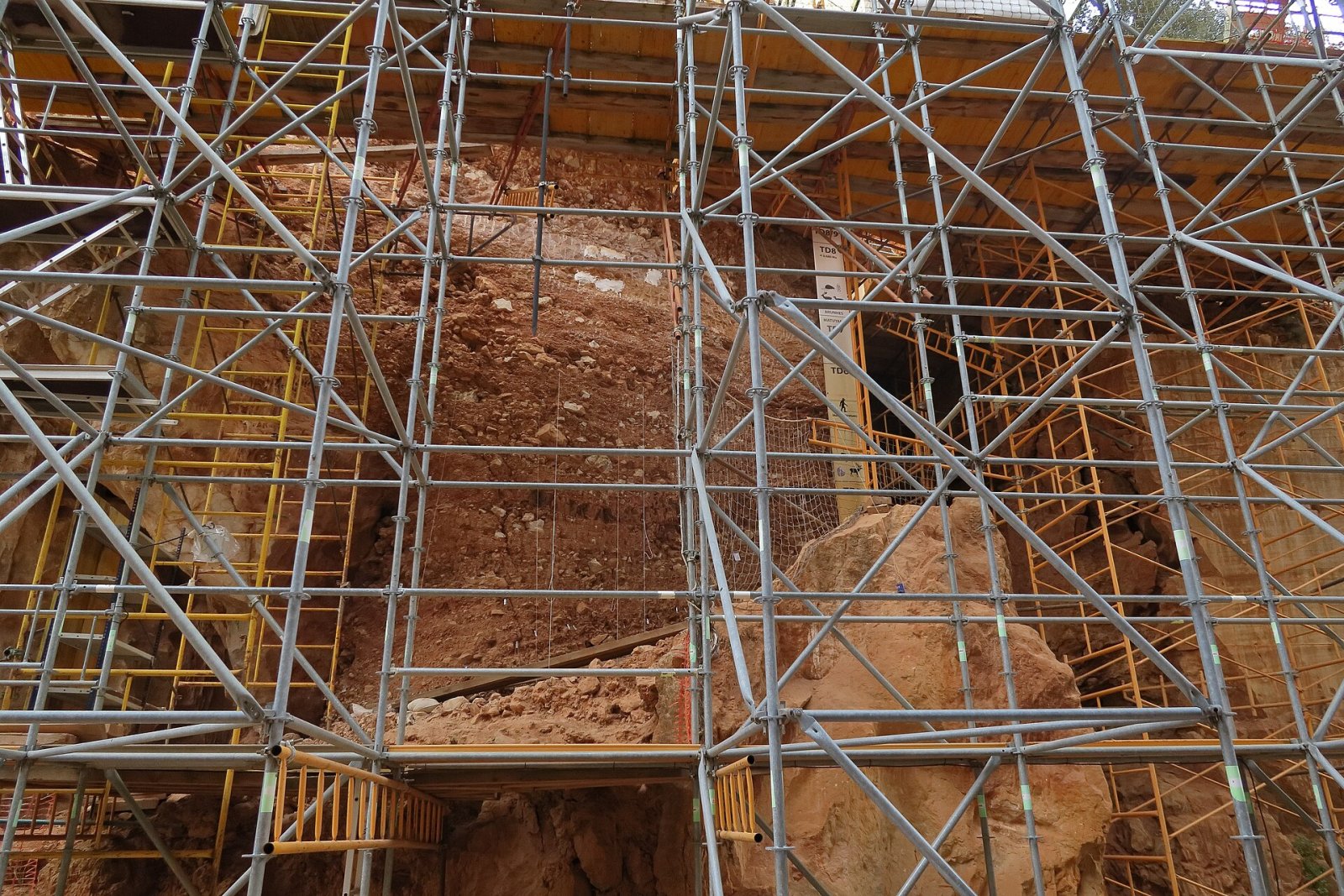
The discovery of Atapuerca has revolutionized our understanding of European prehistory. This site, declared a UNESCO World Heritage Site, is a treasure trove of archaeological finds that narrate the lives of our ancestors. With its extraordinary discoveries, Atapuerca has attracted the attention of scientists and travelers from around the world, eager to explore the roots of human civilization.
History and Origins
The Atapuerca archaeological site is located in a karst region characterized by unique geology, which has preserved the remains of ancient human populations. Research conducted here has revealed the presence of inhabitants dating back over a million years, making Atapuerca one of the most significant places for the study of human evolution. The finds include stone tools and skeletal remains that provide valuable insights into the dietary habits and social behavior of our ancestors.
The discoveries at Atapuerca are not limited to hominid fossils; they also include a variety of artifacts that testify to technological evolution over the millennia. Thanks to this research, archaeologists have been able to reconstruct the dynamics of life of early human communities, offering a clearer picture of their interactions with the surrounding environment.
Elements to Observe
When visiting Atapuerca, tourists can explore different areas of the archaeological site, each offering a unique learning opportunity. The visit includes a path that leads through the cavities that have hosted the most important discoveries, such as the Sima de los Huesos, where numerous fossil remains have been found. Here, scholars have identified at least 28 individuals, providing vital clues about the life and death of prehistoric hominids.
Additionally, the Atapuerca Museum, located nearby, offers an interactive experience that enriches the visit, presenting archaeological finds and discoveries in an educational context. Through engaging and informative exhibitions, visitors can delve into the history and origins of the site, gaining a better understanding of the significance of the discoveries made over the years.
Why It Is Interesting Today
Atapuerca is of great interest not only to archaeologists but also to anyone fascinated by history and science. The discoveries made at this site have significant implications for our understanding of human evolution, contributing to scientific and philosophical debates regarding the origins of man. Furthermore, the site represents an example of how archaeological research can influence our perception of human history and culture.
In an era where our relationship with the past is more important than ever, Atapuerca offers an opportunity to reflect on our roots and our identity. The chance to walk among the remains of ancient civilizations and confront history invites us to consider our place in the world and the future that awaits us.
Practical Information for Visitors
For those wishing to visit the Atapuerca archaeological site, it is advisable to plan the visit in advance, as the number of visitors is regulated to preserve the integrity of the site. Guided tours are available and offer an in-depth educational experience, with experts ready to answer questions and provide further details about the discoveries. The best time to visit Atapuerca is during spring and autumn when the weather is milder and summer crowds are absent.
In conclusion, the Atapuerca archaeological site is a must-visit destination for anyone wishing to explore the origins of humanity. With its fascinating history and extraordinary discoveries, Atapuerca represents a journey through time that enriches our understanding of our species. For more information and tips on how to plan your visit, you can consult the Secret World app, which offers a comprehensive overview of historical attractions worldwide.