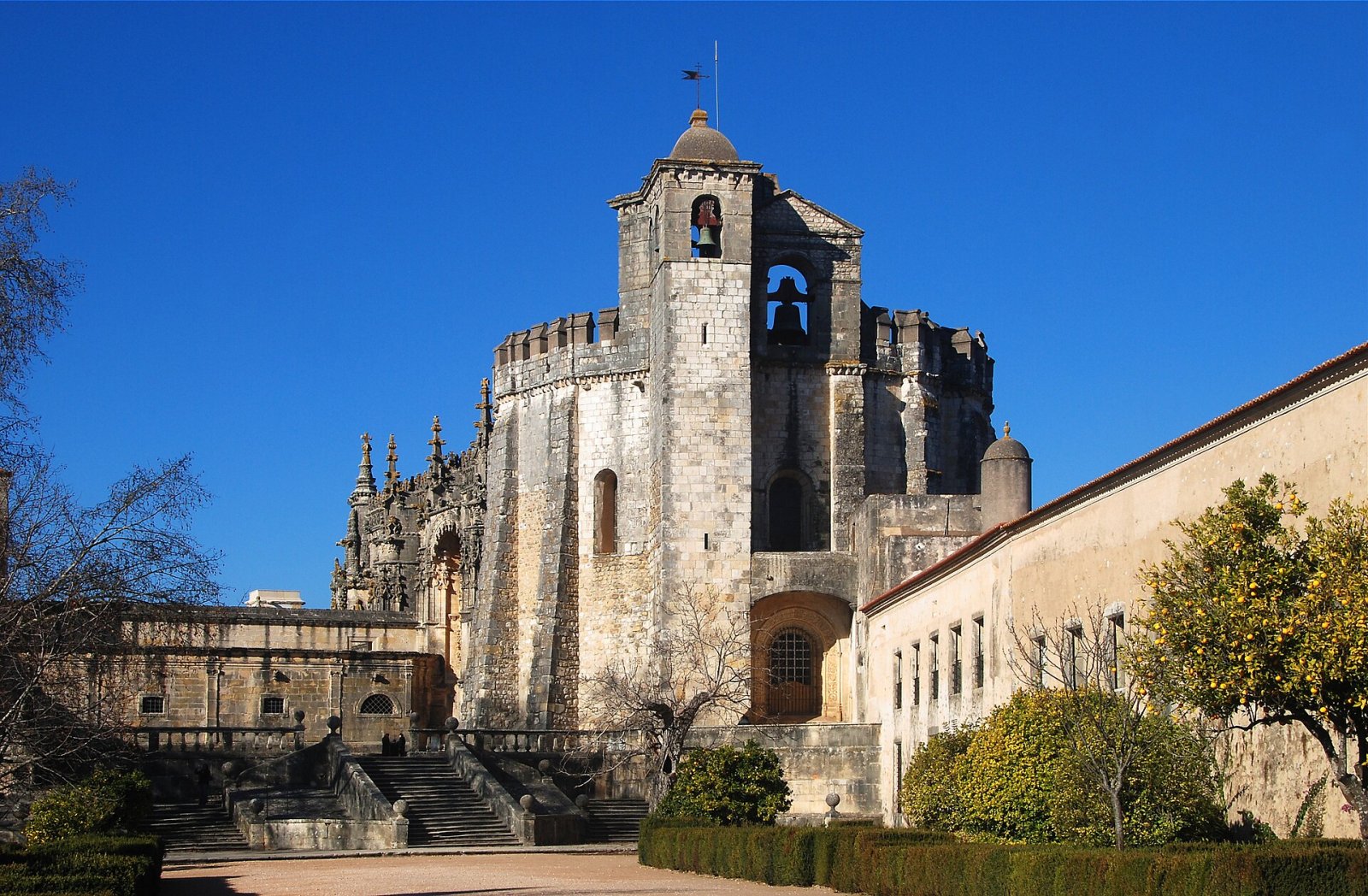

In the heart of Portugal, in the picturesque city of Tomar, stands the Convent of Christ, a monument of extraordinary historical and architectural importance. With its origins dating back to the time of the Knights Templar, this site is not only a place of worship but a symbol of the country's rich cultural heritage. Its strategic location in the Ribatejo region makes it an unmissable landmark for anyone wishing to delve into the medieval history of Portugal.
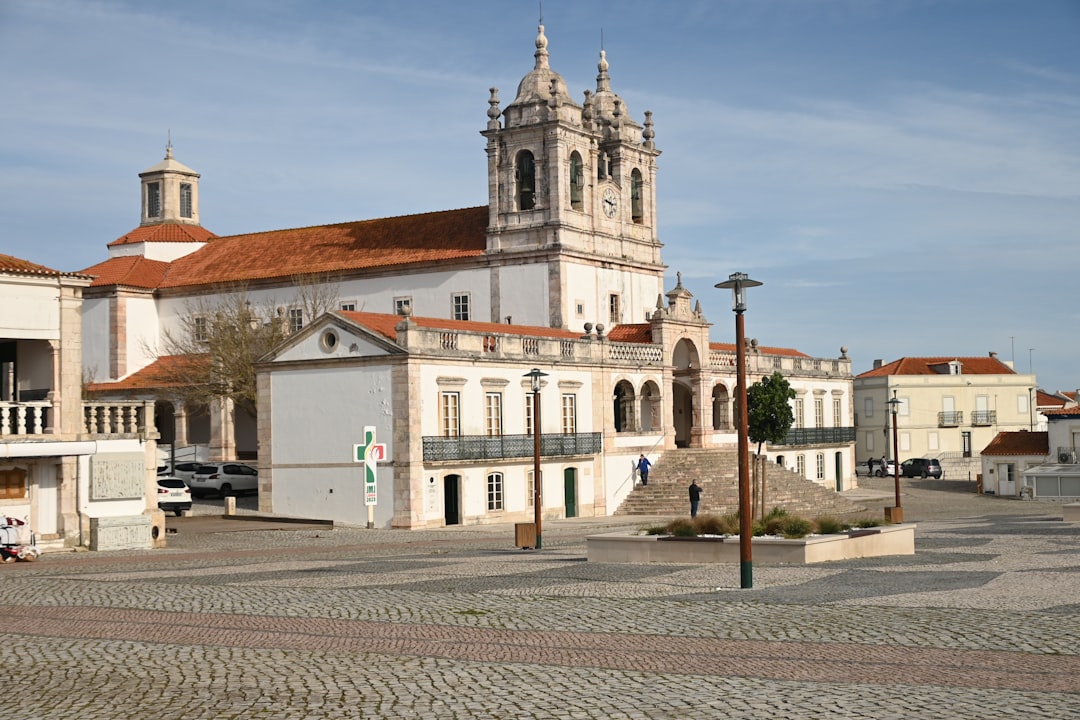
The Convent was built starting in the 12th century and represents a perfect blend of architectural styles, from Romanesque to Gothic, to Renaissance. Its beauty lies not only in its forms but also in the historical significance it carries, having been the headquarters of the Templars in Portugal. Every stone tells stories of knights, battles, and spirituality, making the visit an engaging and reflective experience.
History and Origins

The Convent of Christ was founded in 1160, during the period of the Reconquista, to serve as a refuge and operational center for the Knights Templar. This monastic-military order, known for its role in protecting pilgrims and fighting against enemies of the faith, has left an indelible mark on the history of Portugal. Over the centuries, the convent has undergone numerous expansions and modifications, reflecting changes in the artistic and religious currents of the country.
In 1319, King D. Dinis transformed the convent into an important abbey, further consolidating its status. With the dissolution of the Templars in the 14th century, the convent came under the control of the Order of Christ, which continued to promote its religious and cultural importance. Today, the Convent of Christ is recognized as a UNESCO World Heritage Site, a clear testament to its historical relevance and architectural beauty.
Elements to Observe
Inside the Convent, visitors can admire the famous church, characterized by an imposing facade and a wonderful Gothic cloister. Every corner of the convent is adorned with extraordinary architectural details, including richly decorated columns and frescoes that tell biblical stories. The Chapel of St. Bernard, in particular, is an exceptional example of Manueline art, a unique style that combines Gothic and Renaissance elements.
Another notable element is the Temple Tower, which rises majestically and offers a panoramic view of the city of Tomar and the surrounding landscapes. Exploring these spaces is like taking a journey through time, allowing for a better understanding of the life and beliefs of the Templars and the monks who inhabited these walls. Every visit is an opportunity to discover the beauty and complexity of Portuguese history.
Why It Is Interesting Today
Today, the Convent of Christ is not only a place of historical interest but also a vibrant cultural center. It hosts events, exhibitions, and concerts that celebrate local culture and history, making it a meeting point for residents and tourists alike. Its importance is also reflected in the ongoing research and restoration activities aimed at preserving this heritage for future generations.
Moreover, the city of Tomar itself offers a charming atmosphere, with cobbled streets and a variety of restaurants and cafes where visitors can enjoy local cuisine. The combination of history, culture, and gastronomy makes the Convent of Christ and the city of Tomar an ideal destination for those seeking an authentic and immersive experience in the heart of Portugal.
Practical Information for Visitors
To visit the Convent of Christ, it is advisable to plan your visit in advance, especially during peak seasons. Opening hours may vary, so it is useful to check the official website for updated information. Admission is charged, but the cost is more than justified by the unique experience one has inside this historical monument.
Finally, for those who wish to further explore the beauty of Tomar and its surroundings, the Secret World app offers personalized suggestions and itineraries, making your visit even more memorable and engaging.