In the heart of Esbjerg, one of the most fascinating cities in Denmark, lies the Esbjerg Kunstmuseum, an art museum that serves as an important cultural landmark for the region. Founded in 1910, the museum has undergone several transformations over the years, moving in 1962 to a new building located in City Park, designed by architects Jytte and Ove Tapdrup. This modern structure not only houses valuable artworks but is also part of a complex that includes the Esbjerg Performing Arts Center, creating a vibrant cultural hub for residents and visitors.

The museum is known for its collection that spans from modern art to contemporary works, with a particular focus on Danish artists. Its strategic location near the Water Tower and the harbor offers a picturesque view and contributes to the artistic atmosphere that permeates the place. Esbjerg Kunstmuseum is not just an exhibition space but also a center for debate and in-depth exploration of art, making it a must-visit attraction for anyone traveling to Denmark.
Historical and Cultural Context
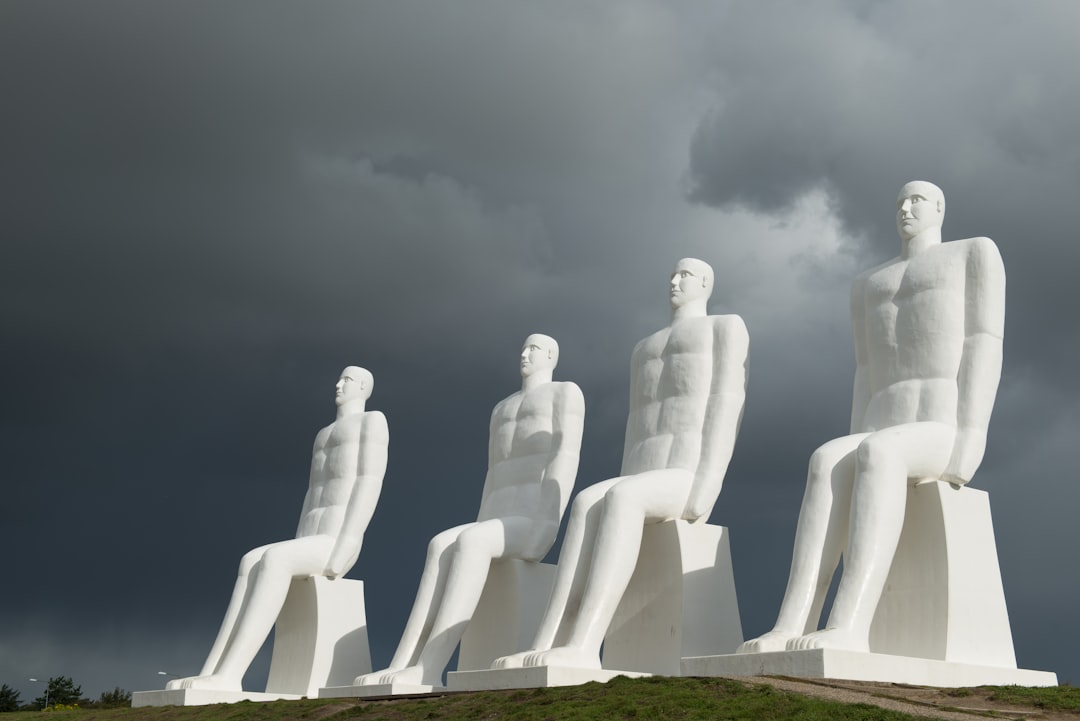
The museum originated as Esbjerg Kunstforening, an artistic association credited with promoting art since its inception. Its first location, situated in the public library of Esbjerg, served as a starting point for the dissemination of artistic culture in the city. In the 1930s, the museum began acquiring works by Danish modernists such as Harald Giersing and Edvard Weie, laying the foundation for a collection that is now nationally appreciated.
With the move to the new building in 1962, the museum was able to expand its collection and exhibition program, including works by contemporary artists and participating in cultural initiatives that engage the community. This development has made Esbjerg Kunstmuseum a key player in the Danish art scene, helping to elevate the city's profile as a cultural center.
What Stands Out About the Place
One of the most fascinating features of Esbjerg Kunstmuseum is its architecture. Designed to harmoniously integrate with the surrounding landscape, the museum boasts an elegant facade and bright exhibition spaces that enhance the artworks. The layout of the spaces allows visitors to explore the collections in a tranquil and contemplative atmosphere, while natural lighting plays a crucial role in the visual experience.
Additionally, the museum regularly hosts temporary exhibitions that highlight emerging artists and contemporary themes, making each visit unique. The variety of works on display, ranging from painting to sculpture, offers a wide range of visual and intellectual stimuli, inviting visitors to reflect on the evolution of Danish and international art.
Visiting Experience
Visiting Esbjerg Kunstmuseum is an experience that goes beyond simply observing the artworks. The museum offers educational programs and workshops that engage the public, making art accessible to everyone, from children to adults. Guided tours are available for those who wish to deepen their understanding of the works and artists, while special events and lectures further enrich the cultural offering.
The museum's location within City Park also allows for combining the visit with a stroll in the greenery, creating a relaxing and stimulating atmosphere. After exploring the galleries, visitors can enjoy a coffee at the nearby cultural center, making the visit a complete and rewarding experience.
Practical Information for Visitors
Esbjerg Kunstmuseum is easily accessible by public transport and offers several parking options for those arriving by car. Opening hours are flexible, allowing visitors to plan their visit according to their needs. It is advisable to check the museum's official website for updates on special events and temporary exhibitions.
Finally, for those who wish to further discover the culture and art of Denmark, Esbjerg Kunstmuseum represents an ideal starting point. With its rich history and fascinating collections, the museum is a treasure to explore, perfect for those using apps like Secret World to uncover the world's best-kept secrets.