The morning light strikes the limestone walls of Dwejra with an almost violent intensity, transforming the ancient gray of the rock into shades of honey and ochre. We are in San Lawrenz, on the island of Gozo, the younger sister of Malta, and the landscape that unfolds before the eyes is one of those that remain etched in visual memory for years. The Internal Sea of Dwejra — called in Maltese Il-Qawra — is a natural lagoon separated from the open Mediterranean by a rocky wall, which it communicates with through a tunnel carved by marine erosion over millennia.

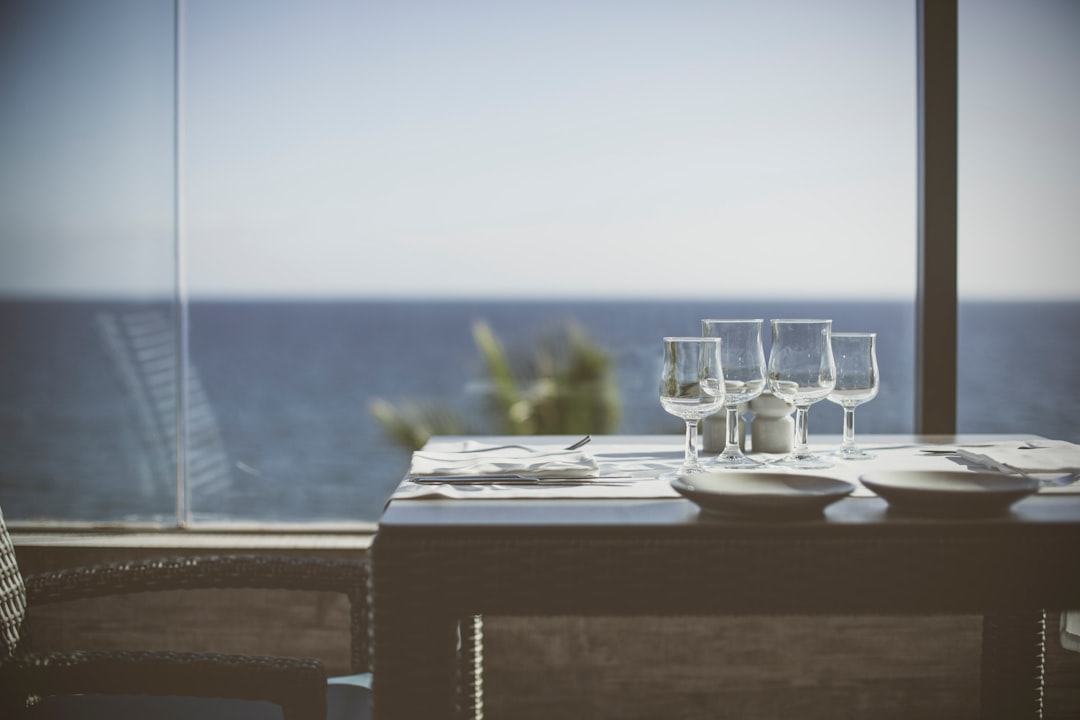
This corner of Gozo has also become internationally known for another reason: here stood the Azure Window, the natural limestone arch that collapsed in March 2017 during a storm. Today, the restaurant that still bears that name is located nearby, overlooking a landscape that, despite the loss of the arch, retains an extraordinary visual strength. The cliffs surrounding the lagoon reach considerable heights — in some places over thirty meters — and create a natural amphitheater where the wind, the sea, and the rock continuously interact.
The colors of the lagoon at different times of the day

Those who arrive at Dwejra at dawn find an almost monochromatic scene: the lagoon is a dark blue, almost indigo, and the cliffs seem drawn in pencil against the still pale sky. As the morning progresses, when the sun rises above the eastern edge of the rocks, the water changes register: it becomes turquoise, then emerald green in the shallower areas, with color variations depending on the depth of the seabed and the angle of the light.
In the afternoon, especially in the hours leading up to sunset, the limestone takes on warm colors ranging from pink to gold. It is the moment when photographers position themselves along the edge of the cliff to capture the contrast between the illuminated rock and the water that, in shadow, becomes dark again. The entrance of the tunnel that connects the lagoon to the open sea — just a few meters wide and navigable by boat — becomes in these moments a natural frame through which the Mediterranean, lit by the slanting light, can be glimpsed.
The tunnel and the lagoon: what to physically observe
The most singular element of Dwejra is this marine tunnel, about twenty-five meters long, which local fishermen still cross today with their small boats. From the shore of the lagoon, it is possible to see the boats disappear into the shadow of the rock and re-emerge on the opposite side, in the open sea. The contrast between the protected and calm water of the lagoon and the more agitated waves of the external Mediterranean is also visible to the naked eye on windy days.

The limestone walls surrounding the lagoon clearly show the geological layers of the rock formation: horizontal lines of different colors — from white to beige to gray — tell the story of millions of years of sedimentation. In the cracks of the rock, plants adapted to salt and wind grow, and in spring some of them bloom with small yellow flowers. On the bottom of the lagoon, visible through the clear water, rock formations and algae stand out, making the site interesting even for divers: Dwejra is considered one of the best diving sites in the central Mediterranean.
Practical tips for the visit

The best time to visit Dwejra and enjoy the views without the crowd is early in the morning, preferably before nine. In summer, especially in July and August, the site quickly becomes crowded after ten. To reach San Lawrenz from Victoria — the capital of Gozo — you can take the local bus line or rent a car or a scooter, which is a more convenient option for exploring the surroundings as well. The journey from the capital takes about twenty minutes.
It is advisable to wear shoes with non-slip soles: the paths along the cliffs are uneven and in some areas the rock can be slippery, especially after rain or on humid mornings. Those who want to cross the tunnel by boat can find local fishermen offering short trips in the lagoon at reasonable prices, but it is wise to negotiate the price before boarding. Avoid windy days if you plan to approach the edge of the cliffs: the gusts can be sudden and intense. The average visit time, walking leisurely along the lagoon and up to the viewpoint on the cliffs, is about an hour and a half.
The landscape after the loss of the Azure Window
The collapse of the natural arch in 2017 changed the profile of this stretch of coastline, but it did not take away Dwejra's ability to surprise. What remains — the lagoon, the tunnel, the cliffs, the view of the open Mediterranean — is enough to justify a visit. In many places along the upper edge of the cliffs, the rocky bases from which the pillars of the arch rose can still be found, and observing them is a concrete way to understand the scale of that geological formation and the strength of the winter storms that brought it down.
The landscape of Dwejra works at any hour and in any season: in winter, when the north wind pushes the waves against the cliffs and the light is lower and more lateral, the colors of the rock and the sea reach a dramatic intensity that summer, with its vertical and blinding light, cannot replicate. Those who have the opportunity to visit Gozo out of season will find here one of the most intense coastal views of the entire Maltese archipelago.