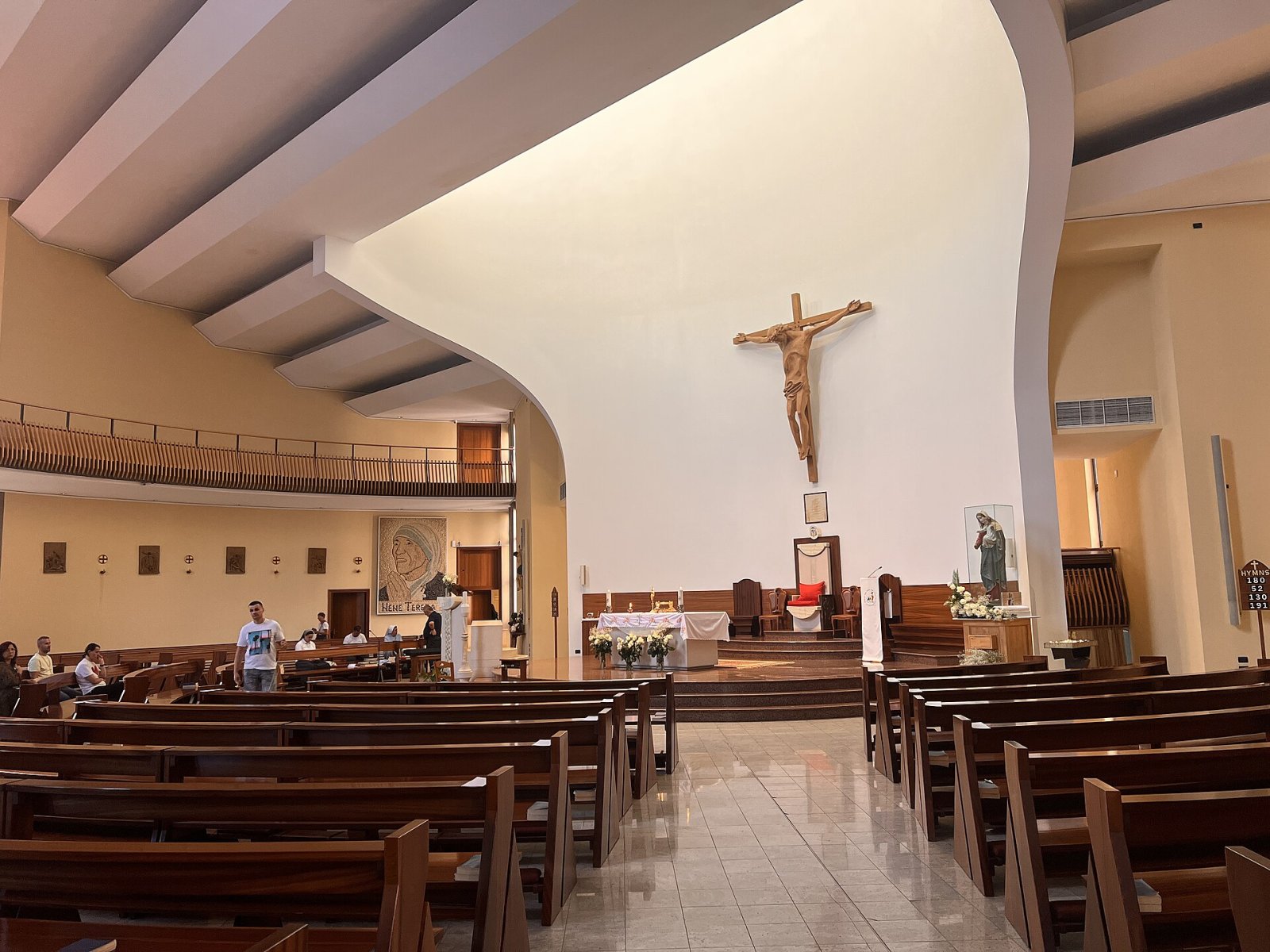

Pope Francis, known as Jorge Mario Bergoglio, is a figure of great relevance not only for the Catholic Church but also for the global cultural and social context. His story, which begins in Buenos Aires, Argentina, is characterized by a strong connection to spirituality and a commitment to the needy. His visit to Albania represented a significant moment for interreligious dialogue and for promoting peace in a historically complex region.
The Pope, the first Jesuit and the first Latin American to hold this role, has always emphasized the importance of divine mercy and welcome. His presence in Albania was met with enthusiasm, reflecting the desire to unite different faiths and cultures in a message of unity and hope.
Historical and Cultural Context
Albania, a country that has seen profound changes in recent decades, is a crossroads of cultures and religions. After years of a communist regime that repressed religious practices, the return to freedom has allowed for a flourishing of interreligious dialogue. The Pope's visit highlighted the importance of this process, inviting the construction of bridges between the various religious communities present in the country.
The Pope chose to visit Albania not only for its historical significance but also for its spirit of rebirth. The presence of an active Catholic community, alongside Orthodox and Muslim communities, represents an example of peaceful coexistence. The figure of Francis, with his message of hope and inclusion, fits perfectly into this context of cultural and spiritual renewal.
What Impresses About the Place
Visiting Albania, what stands out the most is the beauty of its landscapes and the richness of its history. From the Accursed Mountains to the Adriatic coasts, the country offers breathtaking scenery that reflects unspoiled nature. But it is the warmth of its people that makes the experience truly unforgettable, with Albanians ready to share stories and traditions.
Moreover, Albania's cultural heritage is a fascinating mix of Ottoman, Italian, and Greek influences. The historic churches and mosques, vibrant markets, and culinary traditions make this country an intriguing destination for those looking to immerse themselves in a rich and varied culture. The Pope's visit further sparked interest in these beauties, making Albania an increasingly appreciated destination.
Visiting Experience
A trip to Albania offers the opportunity to explore emblematic places, such as Tirana, the capital, where one can admire historical monuments and a vibrant urban life. Visiting places of worship, such as the Cathedral of Saint Paul or the Et'hem Bey Mosque, enriches the experience with a deep sense of spirituality and history. Participating in local events or religious celebrations allows one to experience Albanian culture and its spirit of hospitality firsthand.
For those wishing to deepen their knowledge of the Pope and his message, a visit to the National History Museum in Tirana provides an overview of the country's recent history and its path towards religious freedom. Don't forget to savor the local cuisine, which reflects culinary traditions from various influences, making each meal a unique experience.
Practical Information for Visitors
Before departing for Albania, it is important to inform oneself about travel practices and entry requirements. The country is easily reachable with direct flights from major European cities, and once there, public transport and taxis are convenient options for getting around. The official language is Albanian, but English is widely spoken in tourist areas.
Finally, it is advisable to respect local customs, especially when visiting places of worship. Showing respect and an open mind will enrich your experience and allow you to connect with the warm hospitality of the Albanians. For further tips on how to explore this fascinating country, you can consult the Secret World app, a useful resource for planning your trip.