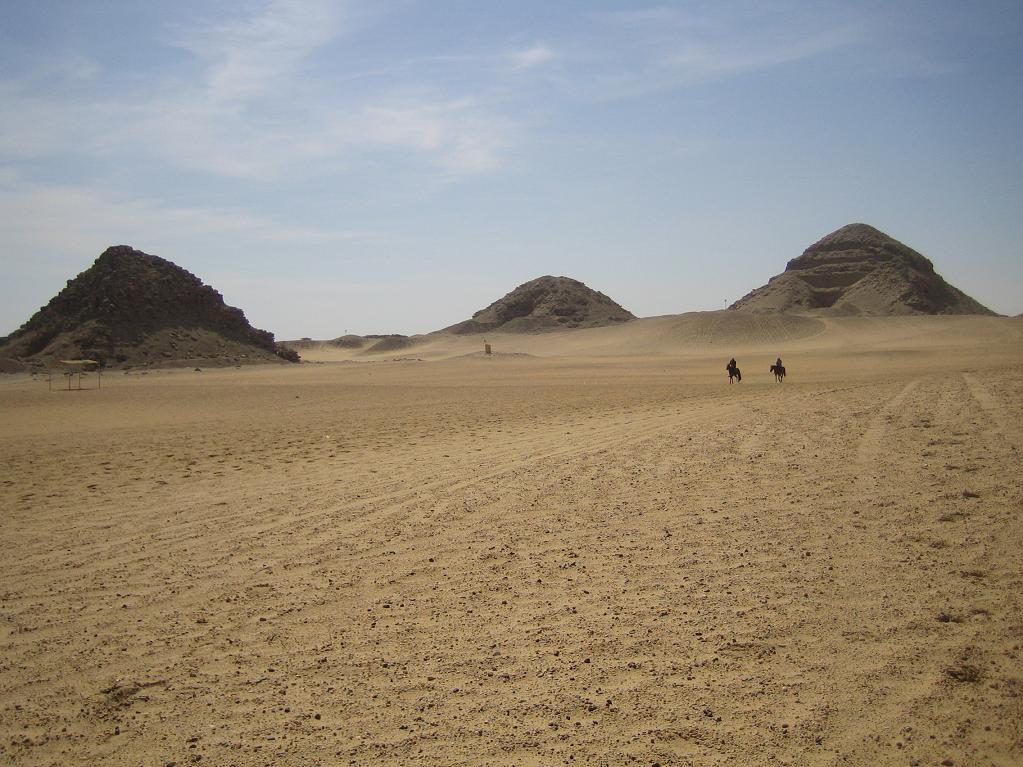

Ahramat Abu Sir, located in the heart of Egypt, is an archaeological site of extraordinary importance, offering a fascinating glimpse into the history of ancient Egypt. This village, part of the Abusir necropolis, is known for its imposing pyramids dating back to the Old Kingdom Period, and represents a must-see stop for those wishing to explore the historical wonders of the region. Nestled in the desert landscape, Ahramat Abu Sir is a short distance from the famous pyramids of Giza and Saqqara, making it a strategic point for understanding the architectural and funerary evolution of the ancient Egyptians.
The locality of Abusir, whose name means 'the resting place of Osiris', was an important burial area during the 5th dynasty when the Egyptian capital was Memphis. The pyramids of Ahramat Abu Sir, while not as famous as those of Giza, tell stories of power and religion, reflecting the beliefs and funerary practices of an era when pharaohs sought to secure a place in the afterlife through grand monuments.
History and Origins
The Abusir necropolis emerged as an important burial area during the Old Kingdom Period, particularly under the 5th dynasty. This period is characterized by significant evolution in pyramid construction, where pharaohs sought to assert their status through increasingly elaborate structures. Ahramat Abu Sir stands out for its unique architecture and engineering innovations, which allowed for the construction of pyramids of considerable size, though less known than others in the region.
The pyramids of Ahramat Abu Sir, along with those of Giza and Saqqara, form a burial complex that testifies to the importance of this area during the Old Kingdom. Archaeological research has revealed not only the funerary structures but also a series of tombs and temples dedicated to religious cults, thus providing a comprehensive picture of the funerary practices and spiritual beliefs of the time. The strategic location of Abusir, among other important necropolises, contributed to making it a nerve center for funerary ceremonies.
Elements to Observe
Visiting Ahramat Abu Sir, tourists can admire the ruins of the pyramids, which, while less imposing than those of Giza, offer a clear idea of the architectural mastery of the ancient Egyptians. The pyramids of Sahure, Neferirkare, and Neferefre are just some of the structures that deserve attention, each with its distinctive features and stories to tell. The presence of funerary temples and other secondary constructions makes the site even more fascinating, allowing visitors to immerse themselves in the life and beliefs of a bygone era.
Another interesting aspect is the presence of engravings and wall decorations inside the tombs, which provide valuable insights into the religious and daily practices of the ancient Egyptians. These works of art not only beautify the funerary spaces but also serve to ensure a safe passage for the deceased into the afterlife, thus reflecting the importance of life after death in Egyptian culture. Walking among the ruins, one feels transported back in time, to an era when the worship of gods and the veneration of pharaohs dominated daily life.
Why It Is Interesting Today
Ahramat Abu Sir represents not only an important historical testimony but also an opportunity to reflect on the origins of Egyptian civilization and its lasting impact on world culture. The necropolis offers a less crowded alternative to other more well-known tourist attractions, allowing visitors to explore in a more intimate and contemplative manner. The beauty of the surrounding landscape, combined with the historical richness of the site, creates a unique experience that fascinates scholars and history enthusiasts alike.
In an era where sustainable tourism and the preservation of cultural heritage are increasingly important, Ahramat Abu Sir stands as an example of how ancient traditions can coexist with modern needs. Visiting it means not only admiring architectural wonders but also contributing to the safeguarding of an invaluable heritage for future generations. For those wishing to deepen their experience, the Secret World app offers detailed information and tips for making the most of this fascinating site.