In the heart of Flanders, Leuven stands as a jewel of history and culture. Among its lively streets filled with students, the Town Hall of Leuven stands out for its extraordinary architecture and historical significance. This building, a symbol of the city, represents not only an administrative center but also a monument that tells centuries of social and cultural evolution.
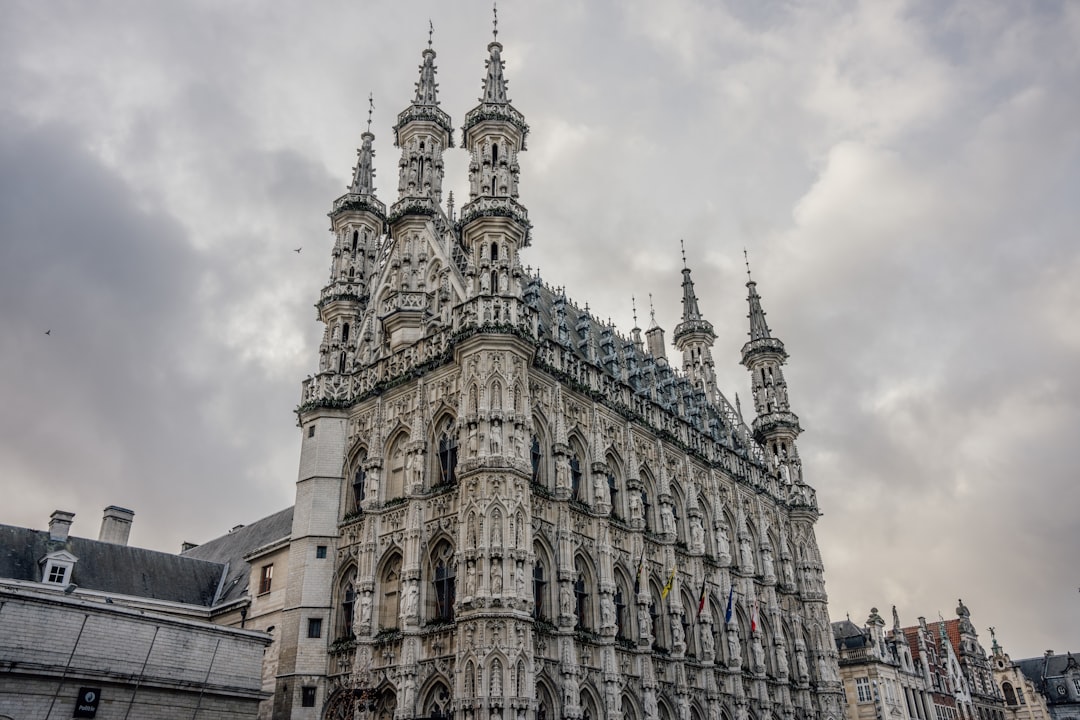
The Town Hall, built in Flemish Gothic style, is an unparalleled example of art and architecture. Every corner of this structure is adorned with statues and intricate details that capture the attention of every visitor. Its central location makes the Town Hall an easily accessible landmark, ideal for starting a city tour.
History and Origins
The construction of the Town Hall of Leuven began in 1439 and lasted over 30 years, a period during which the city grew in importance as a commercial and intellectual center. The building was designed to reflect the prosperity of Leuven, then one of the most influential cities in the Netherlands. Its facade, with over 200 statues, celebrates not only historical figures but also allegories that symbolize the civic and religious values of the community.
Over the centuries, the Town Hall has undergone several renovations and restorations, especially after the damage suffered during wars. Today, the Town Hall is not only a symbol of resilience but also a witness to Europe's tumultuous history, which has seen Leuven transform from a medieval center to a modern city. This building is, therefore, a landmark not only for the city but for the entire Belgian nation.
Elements to Observe
One of the most fascinating features of the Town Hall of Leuven is its richly decorated facade. The statues, representing saints, kings, and historical figures, tell the story of the city and its values. Each statue has its own story to tell, and by observing them, visitors can immerse themselves in Leuven's past and better understand the city's cultural identity.
Inside, the Town Hall hosts beautiful decorated halls, which are often used for official events and ceremonies. The Ceremony Hall, in particular, is a place of great beauty, with frescoed ceilings and breathtaking architectural details. This space is a testament to Leuven's historical grandeur and an example of how art and politics intertwine over the centuries.
Why It Is Interesting Today
Today, the Town Hall of Leuven is not only a tourist attraction but also a symbol of community and civic participation. Life around the Town Hall is vibrant, with cultural events and festivals regularly taking place in the adjacent square. This makes the Town Hall a meeting place where residents and visitors can share experiences and celebrate local culture.
Moreover, Leuven's strategic location, close to Brussels and other important Belgian cities, makes it an ideal starting point for exploring the region. The combination of history, culture, and contemporary life makes Leuven a must-visit destination for those wishing to discover the authenticity of Belgium. Don't forget to check the Secret World app for more details and tips about this fascinating city.