In the vibrant heart of Tokyo, Senso-ji Temple stands majestically, a testament to a millennia-old culture and profound spirituality. This Buddhist temple, dedicated to the deity Kannon, is the oldest in the Japanese capital and represents a landmark not only religiously but also as a tourist and cultural site. Visiting Senso-ji is an experience that goes beyond mere observation; it is an immersion into Japanese tradition and the daily life of Tokyo's inhabitants.
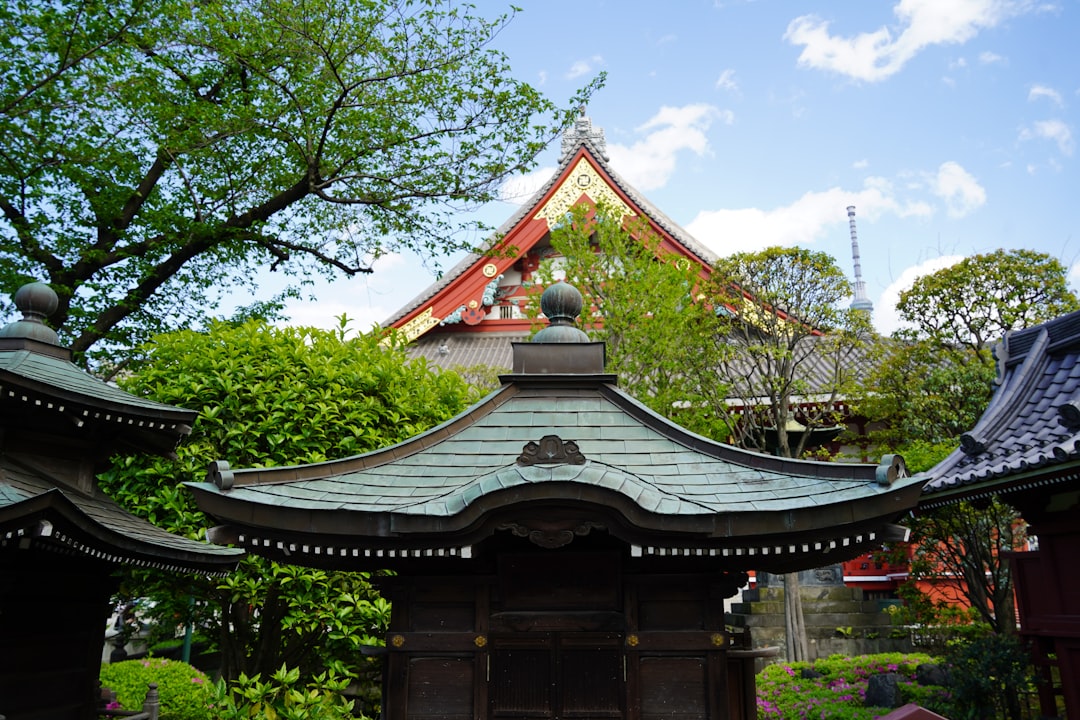
Founded in 628 AD, Senso-ji has traversed centuries of history, enduring destruction and reconstruction while maintaining its significance. Located in the Asakusa district, the temple is surrounded by a lively market where one can find local crafts and culinary delights. This contrast between the sacred and the profane makes Senso-ji a unique place where the modernity of Tokyo meets the oldest traditions of Japan.
Historical and Cultural Context

Senso-ji is not just a temple but a symbol of Japanese resilience. Its history begins with the discovery of a statue of Kannon by two fishermen in the Sumida River, an event that marked the birth of a place of worship dedicated to the goddess of mercy. Over the centuries, the temple has undergone numerous restorations, the most significant of which occurred after World War II when it was rebuilt to preserve its original beauty.
Today, Senso-ji is a pilgrimage site for many Japanese and tourists who visit not only to pray but also to participate in cultural events and traditional festivals. Its architecture, featuring the famous Kaminarimon gate and the five-story pagoda, is an extraordinary example of Japanese design, with details that tell stories and legends related to spirituality and Japanese culture.

What Strikes You About the Place
One of the most fascinating aspects of Senso-ji is the atmosphere that permeates its interior. Despite the crowd of visitors, the temple manages to maintain a sense of calm and serenity. Walking along the avenue leading to the temple, visitors can admire the stone lanterns, the scents of incense, and the melodies of prayers, creating a unique sensory experience. The view of the grand Kaminarimon gate, with its enormous red lanterns, is an iconic image that represents the essence of Tokyo.
Moreover, the Nakamise market, which winds along the path to Senso-ji, offers a wide variety of typical products, from traditional sweets to handcrafted artworks. This place is not just a passageway but a true celebration of Japanese culture, where every stall tells a story and every taste is a memorable experience.
Visiting Experience
Visiting Senso-ji is an experience that gains meaning depending on the time of day. In the early morning, the temple is less crowded and offers the opportunity to contemplate the beauty of the place in an almost mystical atmosphere. During the day, however, the lively market and prayer ceremonies create a vibrant energy that engages all visitors. Don't forget to try the famous melon bread, a typical sweet found in the shops along Nakamise.
For those wishing to deepen their knowledge of Japanese culture, guided tours are available that provide a detailed overview of the history and traditions related to Senso-ji. These experiences can enrich the visit and provide a broader context on what makes this place so special and significant for the Japanese people.
Practical Information for Visitors
Senso-ji is easily accessible by public transport, thanks to its central location in the Asakusa district. The nearest subway station is Asakusa, which is just a few minutes' walk from the temple. Entrance to the temple is free, making it an accessible destination for everyone. However, it is advisable to respect behavioral norms and dress appropriately as a sign of respect for the sacred place.
The temple is open year-round, but during festivals and special celebrations, such as the Sanja Matsuri, unique and engaging experiences can be had. To best plan your visit and discover special events, it is useful to consult apps like Secret World, which offer updated and detailed information on places to visit.