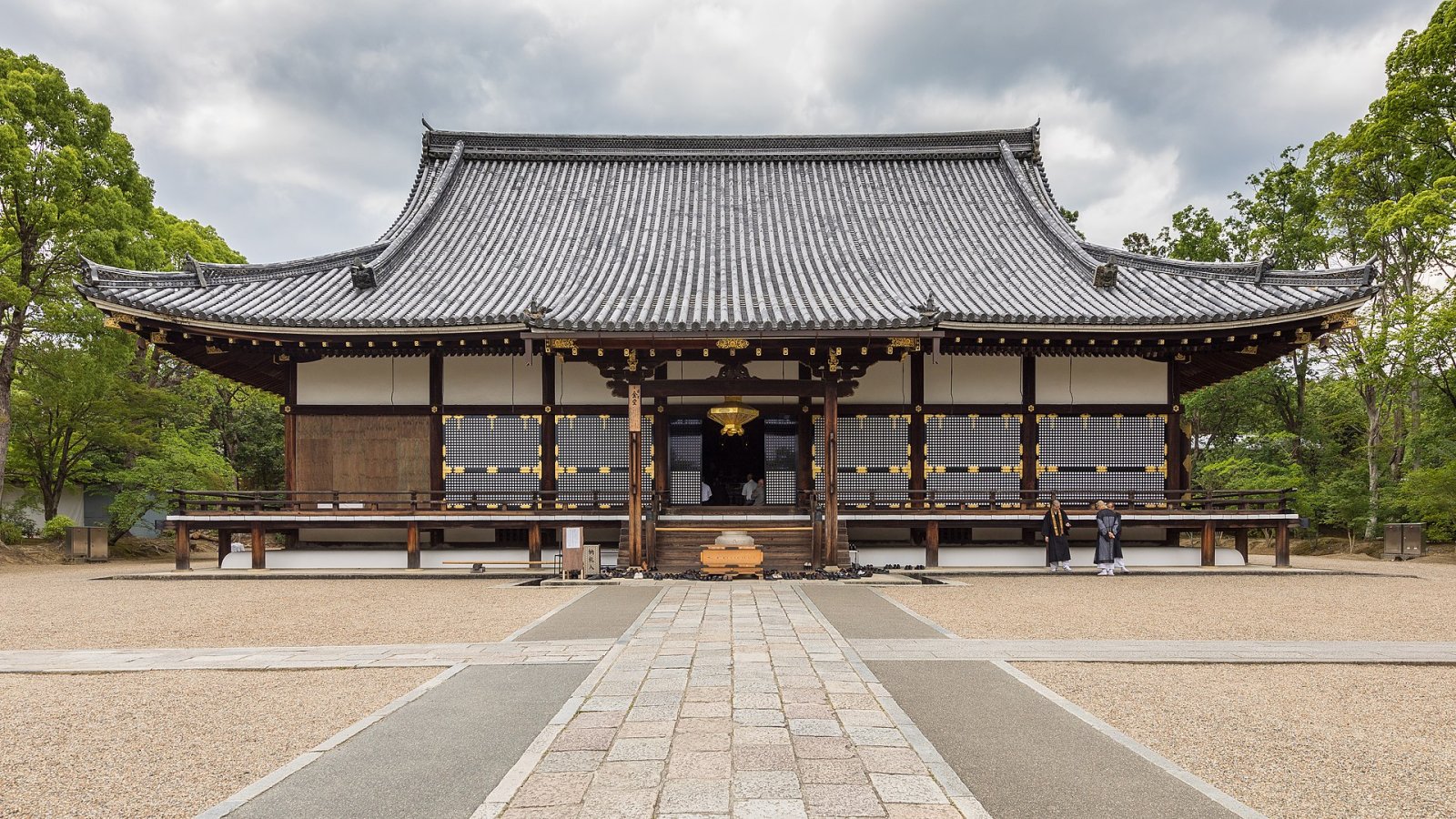

In the heart of Kyoto, one of the most fascinating cities in Japan, lies Ninna-ji Temple, a place that embodies the beauty and spirituality of Japanese tradition. This temple, a UNESCO World Heritage site, is an extraordinary example of Buddhist architecture and a refuge of peace in a vibrant metropolis. Its history dates back to the Heian period, an era of great cultural flourishing, and its significance is reflected not only in its architectural beauty but also in its spiritual and cultural meaning for Japan.
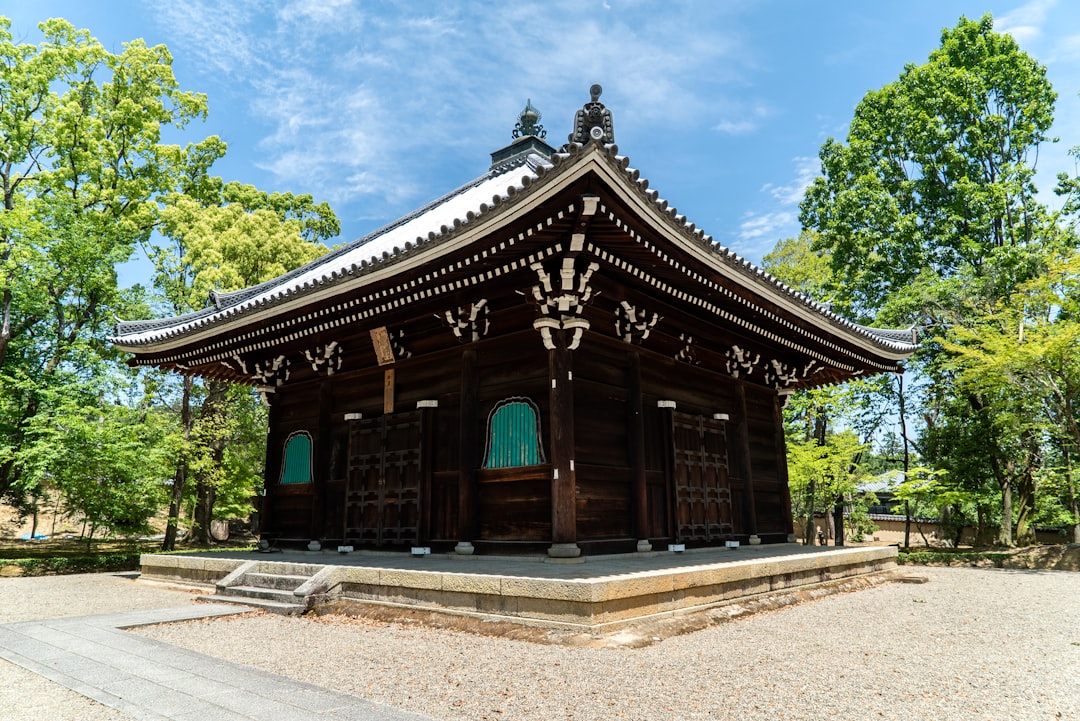
Kyoto, known as the cultural capital of Japan, is famous for its temples, gardens, and centuries-old traditions. Ninna-ji is not just a place of worship, but a symbol of the resilience and continuity of Japanese culture, which has managed to keep its traditions alive even in the face of modern challenges. Visiting Ninna-ji means immersing oneself in an atmosphere of tranquility and contemplation, away from the hustle and bustle of daily life.
Historical and Cultural Context
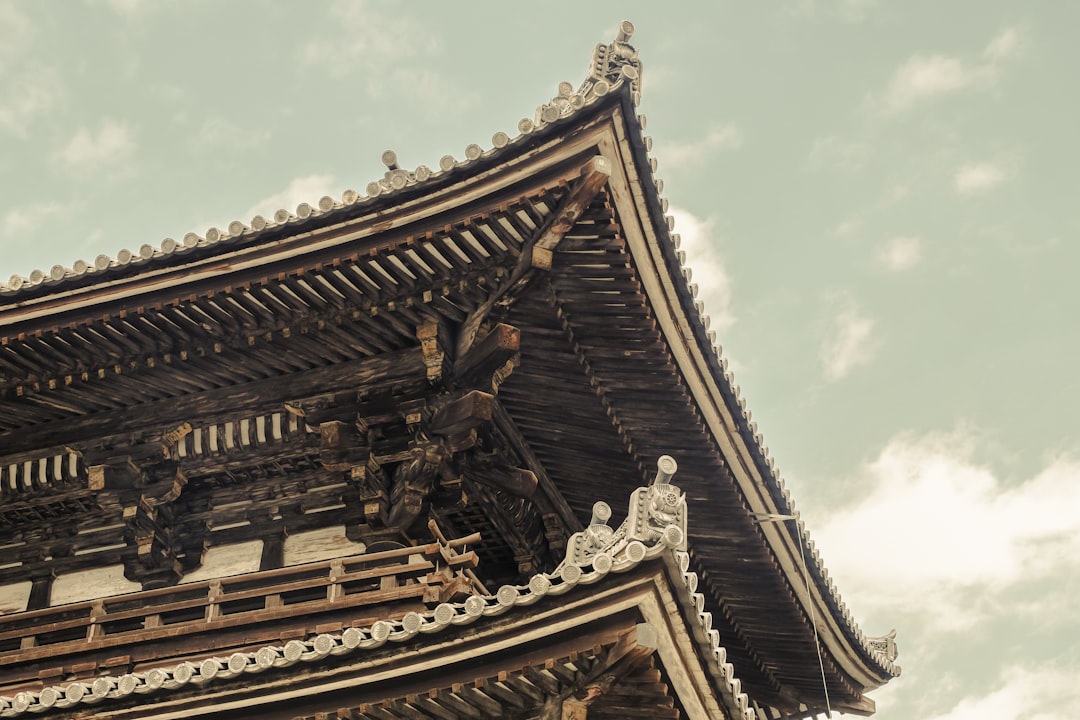
Founded in 888 AD by the monk Kōbō Daishi, Ninna-ji Temple represents an important center of Buddhist teachings. Its architecture reflects Chinese and Japanese influences, with a design that invites meditation and reflection. The main structure, the Goju-no-to, is a majestic five-story pagoda that offers a charming view of the surrounding gardens. The beauty of Ninna-ji is enhanced by the cherry blossoms in spring, attracting visitors from all over the world.
The temple has undergone several reconstructions over the centuries but has maintained its spiritual and cultural essence. In addition to its religious function, Ninna-ji is a meeting place for cultural events and ceremonies, contributing to the preservation of Japanese traditions. Its historical importance is also recognized by the Japanese government, which considers it a national treasure.
What Stands Out About the Place
What immediately strikes visitors to Ninna-ji is the harmony between nature and architecture. The well-kept gardens, with their flower beds and winding paths, create a serene and contemplative environment. The pagoda, with its finely crafted details, perfectly integrates with the surrounding landscape, offering breathtaking views in every season. Every corner of the temple invites a pause for reflection, making the visit a profound experience.
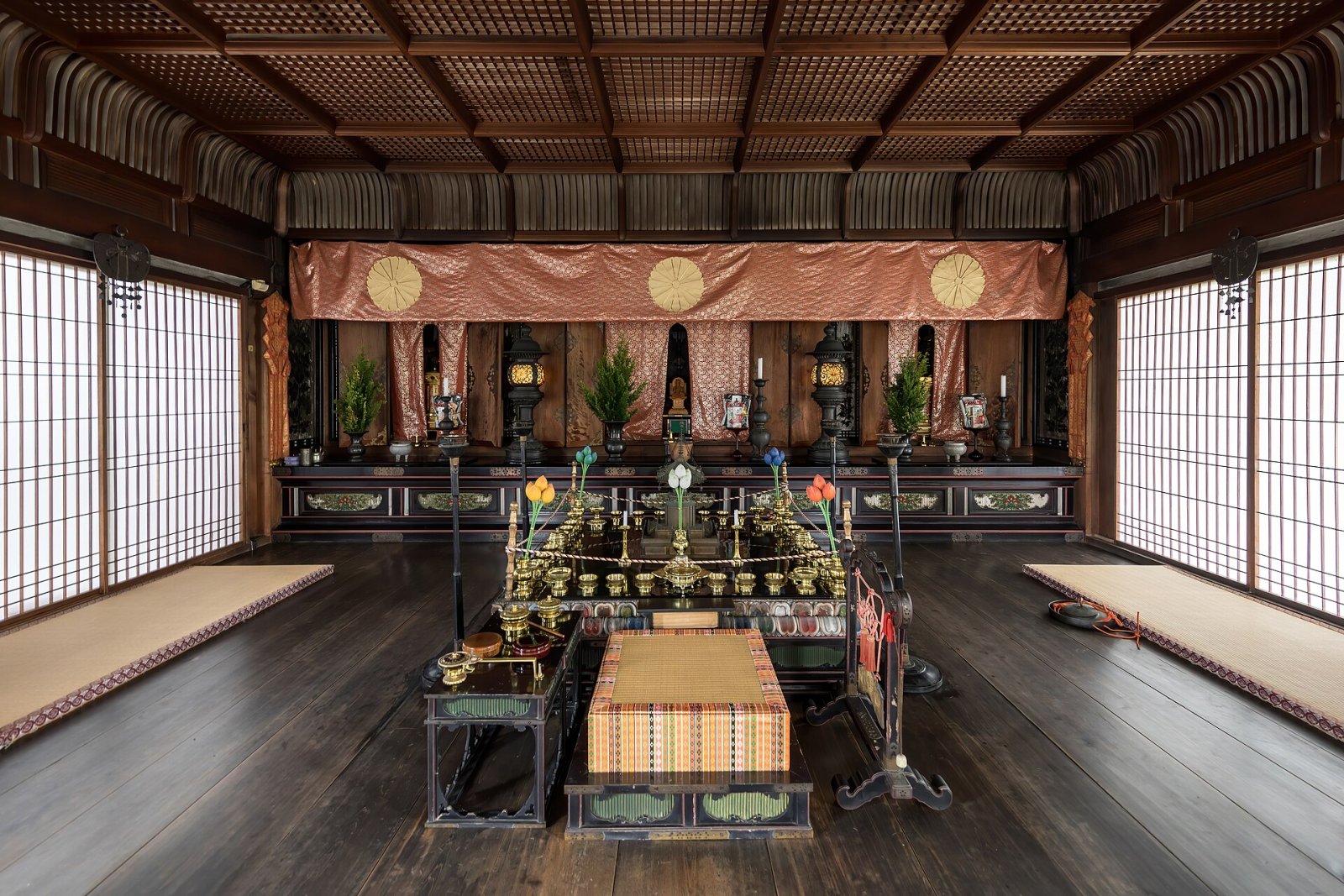
Moreover, the temple houses a series of artworks and Buddhist statues that tell stories of faith and devotion. Visitors can admire ancient sculptures and paintings that further enrich their experience, offering a glimpse into Japanese spirituality and its evolution over the centuries. The tranquility of the place is only interrupted by the singing of birds and the rustling of leaves, creating a unique atmosphere of peace.
Visiting Experience
Visiting Ninna-ji is an experience that engages all the senses. Entrance to the temple is free, but a modest ticket is required to access certain areas, such as the gardens and the pagoda. The visit can be made year-round, but the best times are spring and autumn when nature is adorned with extraordinary colors. It is advisable to dedicate at least a couple of hours to explore the temple and its surroundings, taking the time to enjoy the beauty and serenity of the place.
Inside the temple, visitors can participate in prayer and meditation ceremonies, a unique opportunity to immerse themselves in Buddhist culture. Additionally, the staff is available to provide information and assistance, making the visit even more enriching. Don't forget to bring a camera: every corner of Ninna-ji is a work of art to capture.
Practical Information for Visitors
Ninna-ji is easily reachable by public transport. The nearest subway station is Ninna-ji-mae, which offers frequent connections to downtown Kyoto. The temple is open every day, but hours may vary depending on the season, so it is advisable to check in advance. Furthermore, it is important to respect the temple's rules, maintaining a respectful and quiet demeanor during the visit.
Finally, for those who wish to further enhance their experience, it is useful to download the Secret World app, which offers detailed information about places to visit and suggestions for exploring the city of Kyoto in an authentic and engaging way. Ninna-ji is just one of the many treasures this city has to offer, making every visit an unforgettable adventure.