





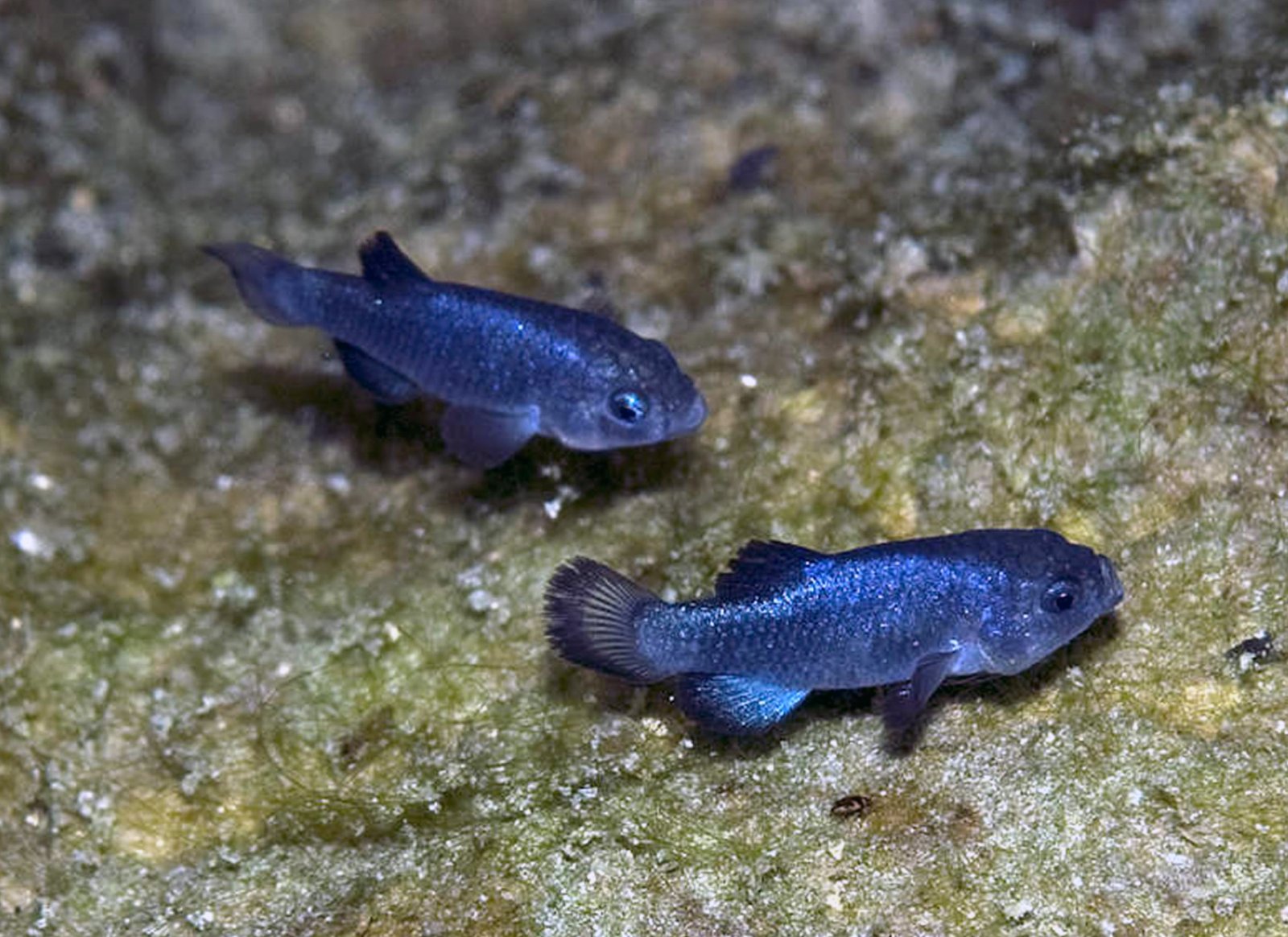
In the heart of the Amargosa Desert, just sixty kilometers east of Death Valley, lies a geological marvel that is as captivating as it is rare: Devil's Hole, home to the endangered Devil’s Hole Pupfish. This tiny fish, measuring no more than an inch in length, thrives in an environment that would be inhospitable to most life forms, with temperatures soaring to 90 degrees Fahrenheit. It is a testament to nature's resilience and a poignant reminder of the delicate balance of ecosystems.
### History and Origins
The history of Devil's Hole is steeped in both geological wonder and human intrigue. Formed over thousands of years, this natural well is part of a larger aquifer system that dates back to the last Ice Age. The Devil's Hole Pupfish was first scientifically described in 1930, yet its unique habitat has been known to local Indigenous tribes long before that, who revered the area for its natural beauty and spiritual significance.

In the 1960s, the pupfish gained international attention when its numbers plummeted due to water diversion projects and habitat destruction. The U.S. Fish and Wildlife Service designated Devil’s Hole a protected area in 1952, but the struggle for survival continues, highlighting the ongoing conflict between human activity and environmental preservation.
### Art and Architecture
While Devil's Hole itself isn’t an architectural wonder, the surrounding landscapes are marked by stunning geological formations that have inspired countless artists and photographers. The Amargosa Valley offers a striking contrast of colors, with the deep blues of the water against the stark browns and reds of the desert rocks. The artistic significance of this region lies in its raw beauty, often captured in vivid paintings and photographs that reflect the harsh yet mesmerizing desert landscape.
### Local Culture and Traditions
The culture surrounding Devil's Hole is influenced by both Indigenous traditions and the scientific community's efforts to preserve this unique species. Local tribes, including the Shoshone, have historically revered the area, viewing it as a sacred site. Today, the ongoing conservation efforts involve collaboration between scientists and Indigenous groups, emphasizing a shared commitment to protecting their natural heritage.
The annual Pupfish Festival is a vibrant celebration of local culture, drawing visitors from near and far. This festival not only highlights the plight of the pupfish but also showcases local artisans, music, and cuisine, creating a community atmosphere that honors both conservation and cultural traditions.
### Gastronomy
While Devil's Hole itself may not be known for its culinary scene, the broader Death Valley area offers a taste of local flavors that visitors can enjoy. Traditional dishes often feature ingredients that reflect the desert's agricultural bounty. Expect to find date shakes, a local specialty made from fresh dates grown in the region, as well as hearty meals featuring game meats and local produce.
For those venturing into nearby towns such as Beatty or Pahrump, you can explore diners and family-run restaurants that serve classic American fare, often with a Southwestern twist. Don't miss out on trying a slice of homemade pie or a robust mesquite-grilled burger, both favorites among locals.
### Lesser-known Curiosities
One of the most remarkable aspects of the Devil’s Hole Pupfish is its astonishingly small habitat. Covering a mere 20 square meters, it holds the record for the smallest known habitat of any vertebrate species. The pupfish's inability to migrate has resulted in a population of fewer than 100 mature individuals, making it one of the rarest fish in the world.
Additionally, the pupfish's unique adaptations allow it to survive in such extreme conditions. Its ability to tolerate high temperatures and low oxygen levels sets it apart from other fish species, sparking interest among scientists studying evolutionary biology. Many visitors may not realize that these tiny fish are a living link to understanding how life can thrive in the most unlikely of places.
### Practical Visitor Information
The best time to visit the Devil's Hole area is during the cooler months of late fall through early spring. Temperatures can be extreme during the summer, making outdoor activities uncomfortable. Death Valley National Park offers numerous opportunities for exploration, including hiking trails and stunning vistas.
When visiting, be sure to bring plenty of water, sun protection, and a camera to capture the breathtaking landscapes. While access to Devil's Hole itself is restricted to protect the pupfish, the surrounding areas offer fantastic viewpoints and educational signage that tell the story of this remarkable ecosystem.
For an enriching experience, consider joining a guided tour led by experts who can provide deeper insights into the ecological and cultural significance of the area.
As you plan your adventure to this extraordinary destination, consider using the Secret World app to create a personalized itinerary tailored to your interests.