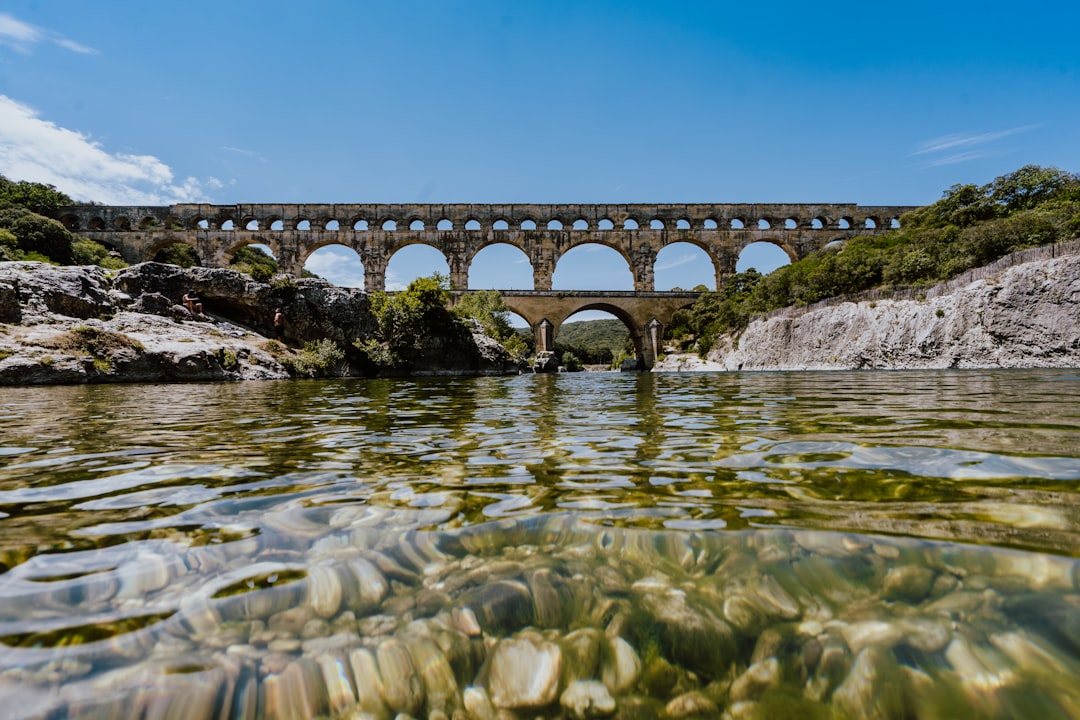

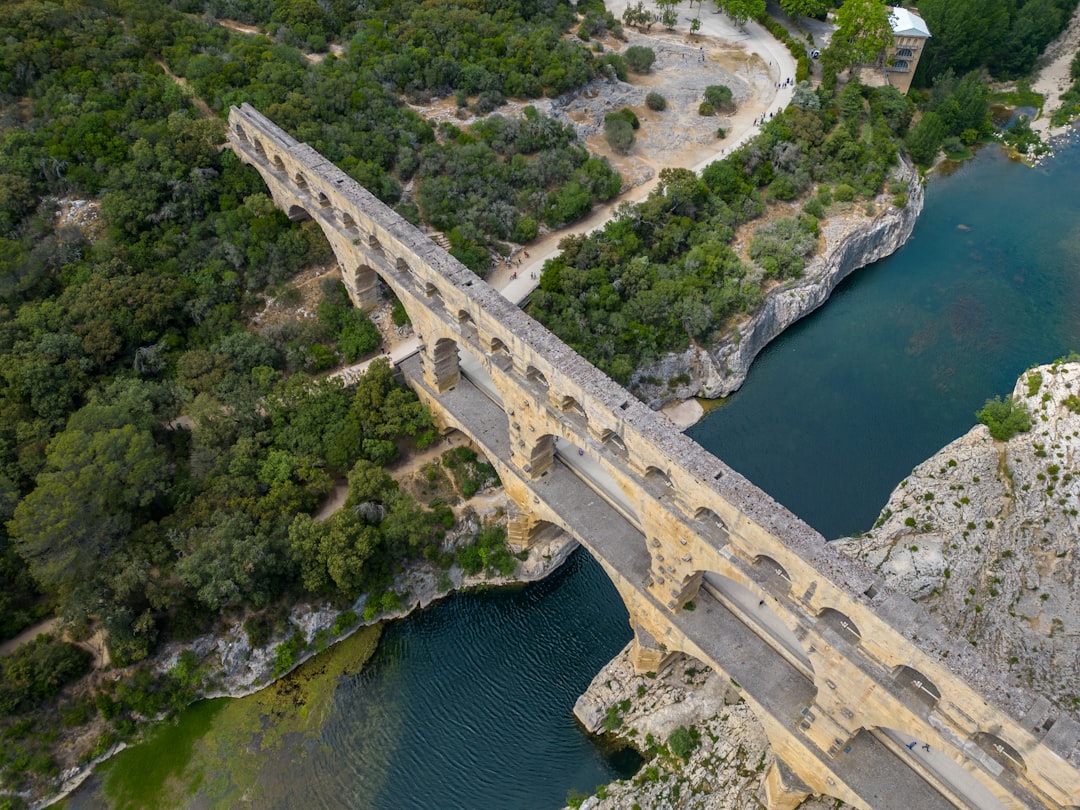
The water of the Hérault river flows green and transparent under the limestone arches of the Pont du Diable, and the silence surrounding this medieval structure almost makes one forget that the 21st century exists. Built in the 11th century by the Benedictine monks of the abbey of Gellone, the bridge is located near Aniane, in the Hérault department, in Languedoc. It is one of the best-preserved medieval bridges in the region, and its position within the gorges carved by the river makes it visually spectacular in every season.
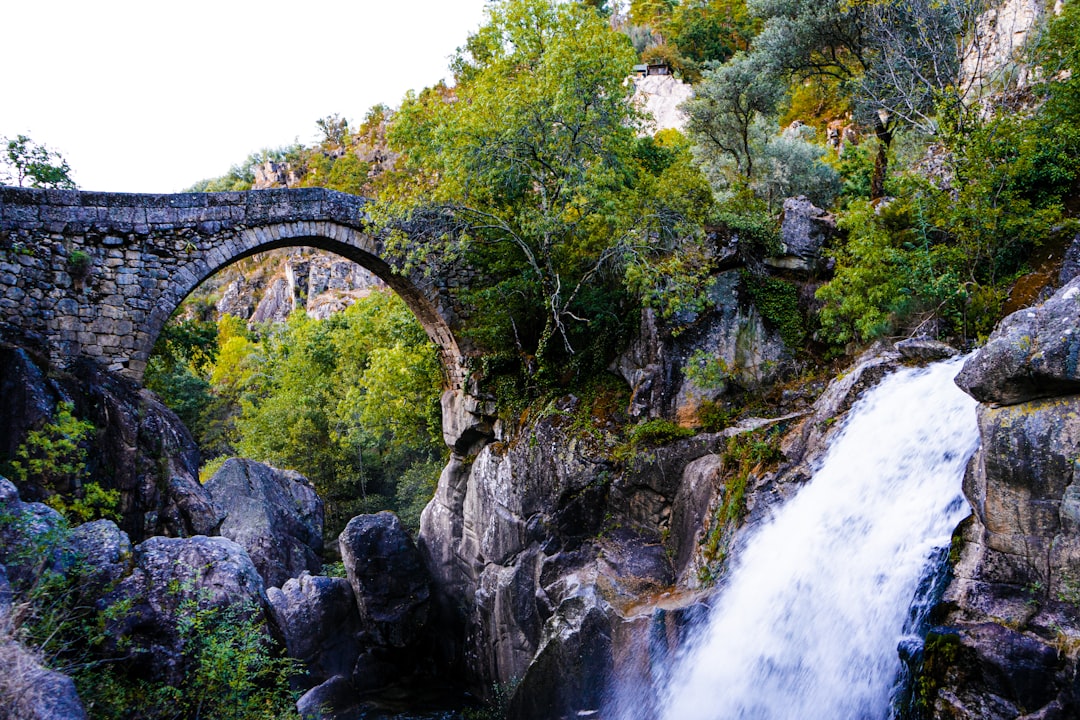
The name — Devil's Bridge — reflects a legend widespread throughout medieval Europe: it was said that such bold structures for the time could only have been erected with the help of the devil, in exchange for the soul of the first living being to cross it. According to the story, the monks sent a cat. Legend aside, what remains is a work in gray stone that has withstood centuries of river floods, wars, and abandonment, and that today is reached by walking along a path by the bank that crosses the Mediterranean scrub — the garrigue — scented with thyme and rosemary.
The structure of the bridge: what to observe up close
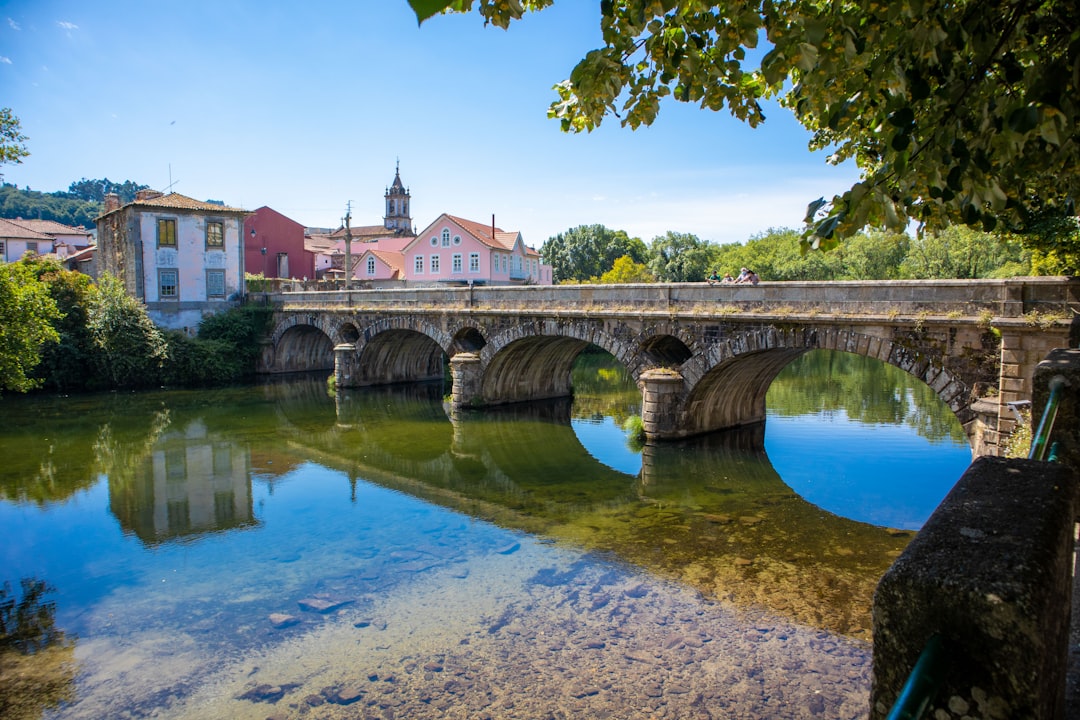
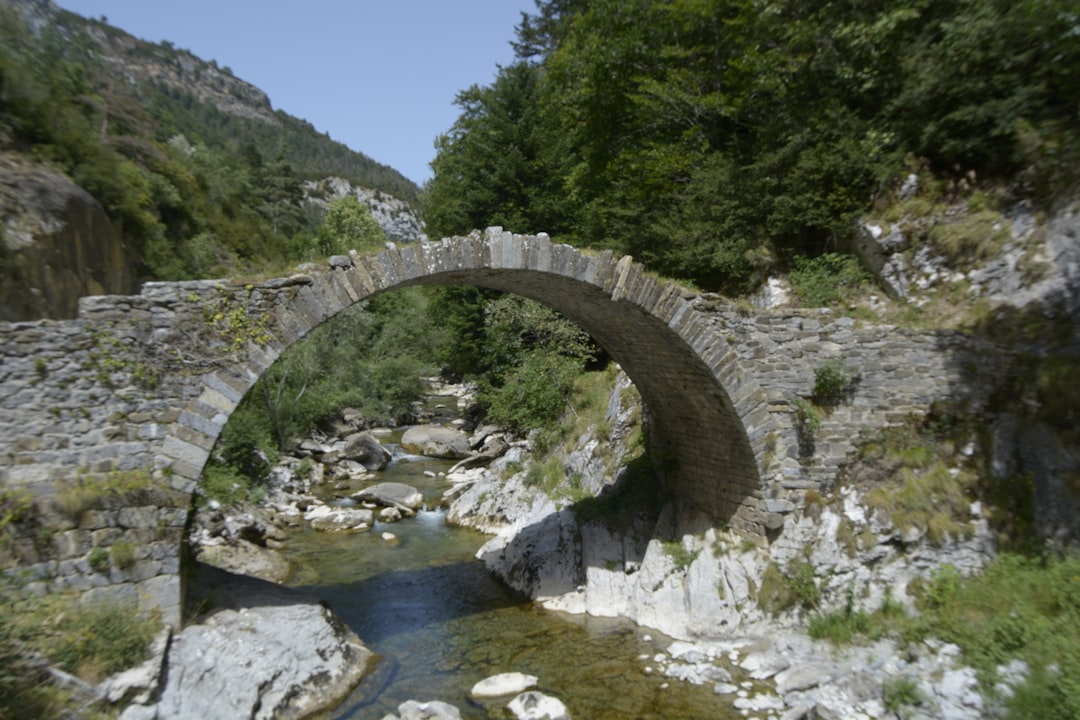
Approaching the bridge from the path that starts from the riverbank, the first thing that strikes is the proportion of the main arch: a full-arch stone vault that reflects in the water below, creating an almost perfect circle when the river level is medium. The stone used is local limestone, the same material as the rocky walls of the gorges, which gives the structure an almost natural appearance, as if it had grown directly from the rock.
Walking on the bridge deck, one notices the stones worn by the passage of centuries of pilgrims, animals, and carts. The parapet is low and irregular, typical of Romanesque construction of the time. In some places, more recent restoration work can be seen, distinguishable by the slightly lighter color of the stone. The bridge is located along one of the routes that led to Santiago de Compostela, which explains why the monks of Gellone had every interest in keeping it passable.
The natural context: the gorges of the Hérault
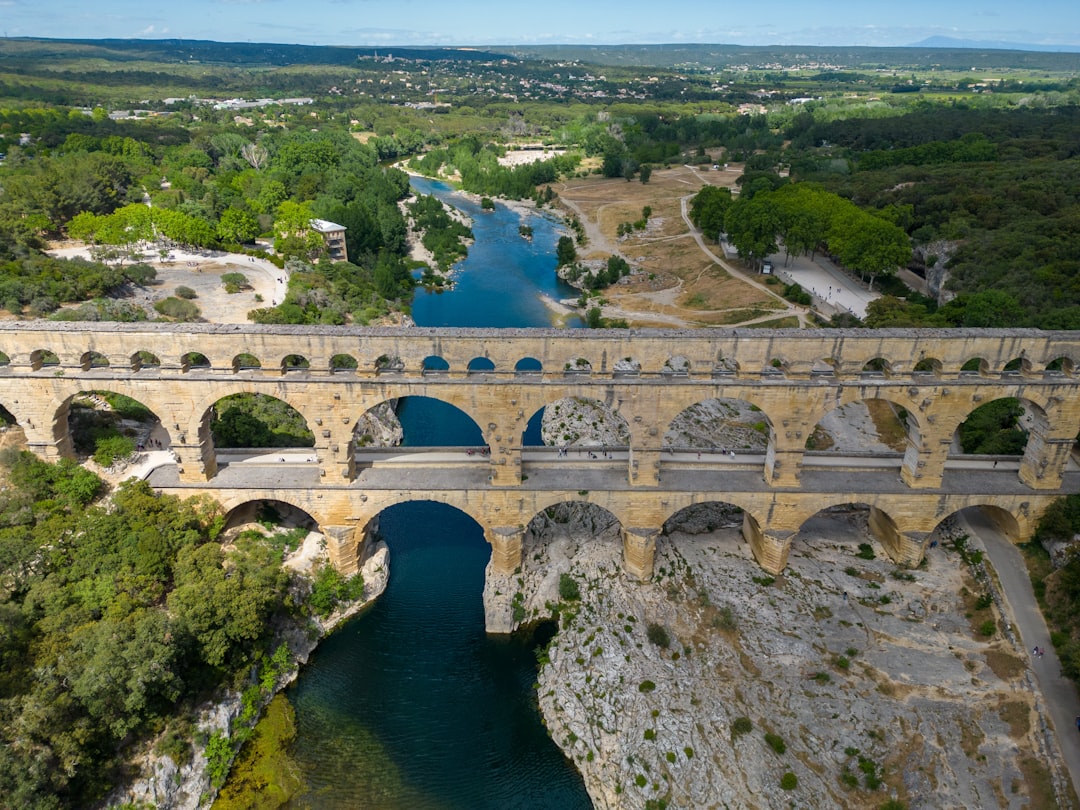
The Devil's Bridge is not just an architectural monument: it is immersed in a protected natural landscape. The gorges of the Hérault are part of the Haut-Languedoc Regional Natural Park and the UNESCO area of the Grands Causses. In summer, the waters of the river become a destination for swimming and kayaking, and the banks come alive with local families. In spring and autumn, however, the place is almost deserted, and the contrast between the medieval stone and the lush vegetation is at its most intense.
The path that runs alongside the river towards the bridge crosses typical garrigue vegetation: holm oaks, strawberry trees, cistus, and junipers. In certain stretches, the path narrows and descends towards the bank, allowing one to touch the water with their hands. The sound of the current accompanies the entire journey, and in some seasons it is possible to observe grey herons standing on the rocks in the middle of the river.
How to get there and when to visit
The most convenient starting point is the parking near Aniane, from which you take the path that follows the left bank of the Hérault. The walk to the bridge takes about 20-30 minutes each way, on an easy trail but requiring suitable shoes, especially if the ground is wet. Access to the site is free, although there is a private facility nearby — the Domaine de Pont du Diable — which manages river-related activities such as canoeing and swimming for a fee.
The best time to visit is early in the morning in spring or autumn: the slanting light enhances the texture of the stone, temperatures are pleasant, and tourists are virtually absent. In July and August, the site becomes crowded, especially on weekends, as the river's waters attract bathers from all over the region. It is advisable to avoid winter flood periods, when the path may be partially flooded and the bridge is not safely accessible.
Why the trip is worth it
In an era when the most famous medieval bridges in Europe — from the Ponte Vecchio in Florence to the Pont d'Avignon — are surrounded by lines of tourists and souvenir shops, the Pont du Diable in Aniane offers something rare: the chance to be alone in front of a thousand-year-old artifact, in silence, listening only to the water. There are no ticket offices, no audio guides, no excessive signs. There is the stone, the river, and the garrigue.
For those traveling through the Languedoc region by car or bicycle, the bridge deserves a stop of at least an hour. It is located about 30 kilometers from Montpellier, easily reachable from the D32. Pairing it with a visit to the medieval village of Saint-Guilhem-le-Désert, just a few kilometers upstream along the same gorges, allows for a rich and authentic half-day, away from the more beaten tourist circuits of the region.