The Lighthouse of Hirtshals stands as a beacon of history and maritime significance on the rugged coast of northern Denmark. Rising 35 meters above the windswept shores, this lighthouse is not just a navigational aid but a testament to the rich maritime heritage of the region. Climbing to the top rewards you with sweeping views of the North Sea, where the vast expanse of water meets the sky in a dance of endless horizons.
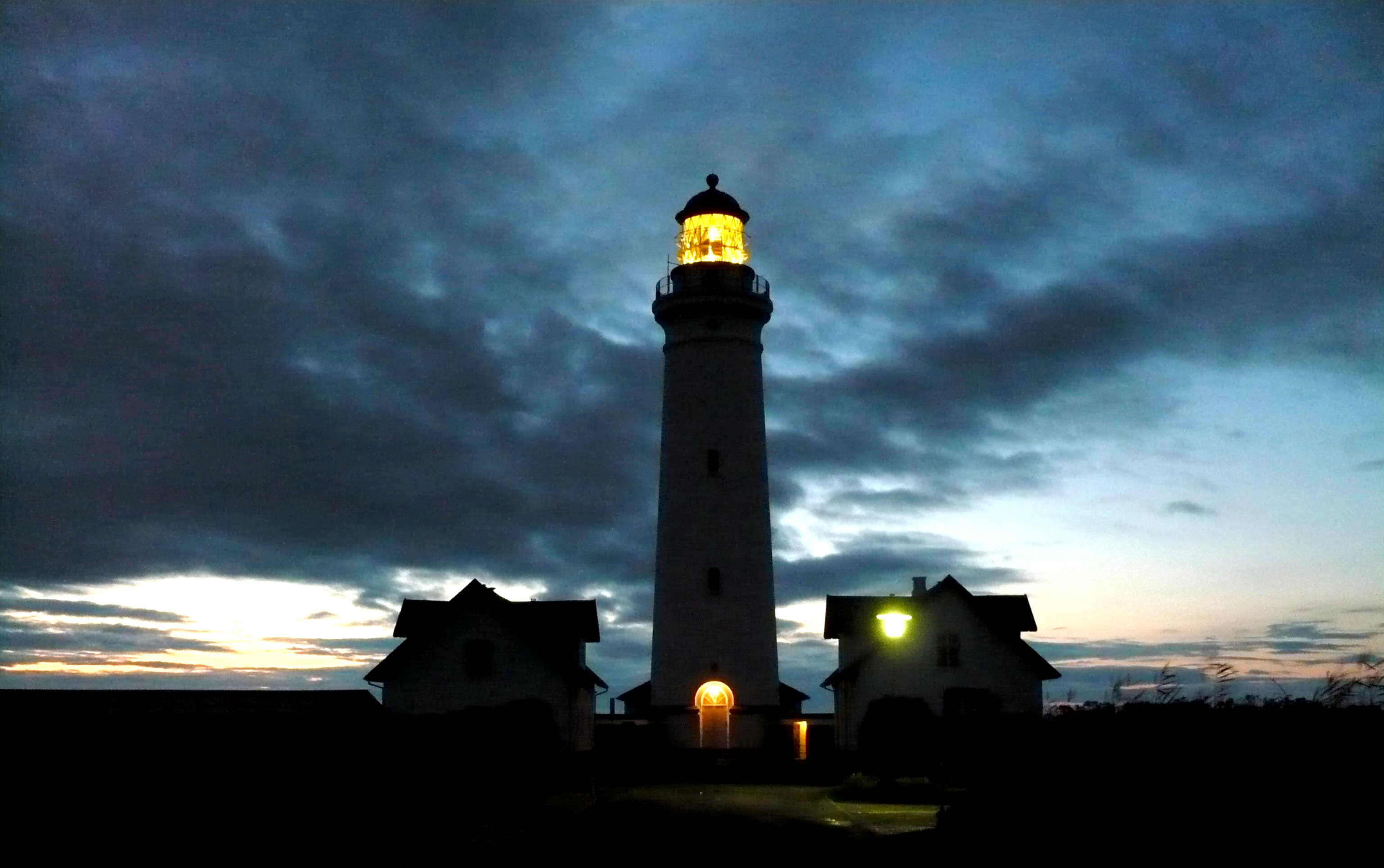
The history of the Hirtshals Lighthouse dates back to its construction in 1863. Designed by the Danish architect Niels Sigfred Nebelong, it was inaugurated by King Frederik VII in 1862, a year before its completion. This structure emerged during a period when Denmark was investing heavily in maritime safety, responding to the increasing maritime traffic and the perilous nature of the Skagerrak strait. Over the decades, it has witnessed the evolution of maritime technology, transitioning from its original oil-burning lamp to modern electric lighting systems.
Architecturally, the lighthouse is an embodiment of 19th-century Danish design, characterized by its robust, cylindrical tower and the quaint keeper's houses nearby. Built from local brick, its whitewashed façade contrasts beautifully against the often tumultuous skies of the Danish coast. Inside, the spiral staircase that winds its way to the top is as much a journey through architectural history as it is a physical ascent. The lens room, housing the original Fresnel lens, is a marvel of engineering elegance, magnifying the light that once guided countless sailors to safety.

The town of Hirtshals itself is steeped in tradition and maritime culture. Fishing remains a vital part of life here, as evidenced by the bustling harbor filled with colorful boats and the aroma of fresh catches. Local festivals, such as the Hirtshals Fish Festival, celebrate this maritime heritage with gusto, offering visitors a chance to engage with the community through music, food, and folklore. The festival is a vibrant display of local customs, where traditional songs and dances are performed, echoing the rhythm of the sea.
No visit to Hirtshals is complete without indulging in its gastronomic offerings. The local cuisine, heavily influenced by the bounty of the sea, features dishes like stegt flæsk (crispy pork with parsley sauce) and smoked fish, often paired with a glass of locally brewed Snaps or a refreshing Akvavit. These flavors are a testament to the town's ability to marry simplicity with taste, creating meals that are both hearty and deeply satisfying.
Amidst the well-trodden paths and popular attractions, Hirtshals hides lesser-known curiosities that intrigue the discerning traveler. One such feature is the network of bunkers from World War II, scattered along the coast. These remnants of the past offer a poignant reminder of the area's strategic importance during turbulent times. Additionally, the Bunkermuseum Hirtshals 10th Battery provides insight into the history of these fortifications and their role in coastal defense.
For practical visitors, the best time to explore the lighthouse and its surroundings is between May and September when the weather is milder and the days are longer. Early mornings or late afternoons offer the most serene experiences at the lighthouse, avoiding the midday crowds and basking in the soft light of the sun rising or setting over the sea. When planning your visit, take the time to explore the nearby Nordsøen Oceanarium, the largest aquarium in Northern Europe, which complements the maritime theme of your journey.
In the vicinity of the lighthouse, keep an eye out for the rich birdlife that thrives along the coast. Species such as the elegant Arctic tern and the striking northern gannet are common sights, offering a visual treat for birdwatchers and nature enthusiasts alike. As you descend the lighthouse's spiral staircase, take a moment to reflect on the myriad stories this beacon of light has witnessed—stories of brave sailors, fierce storms, and the relentless beauty of the sea.