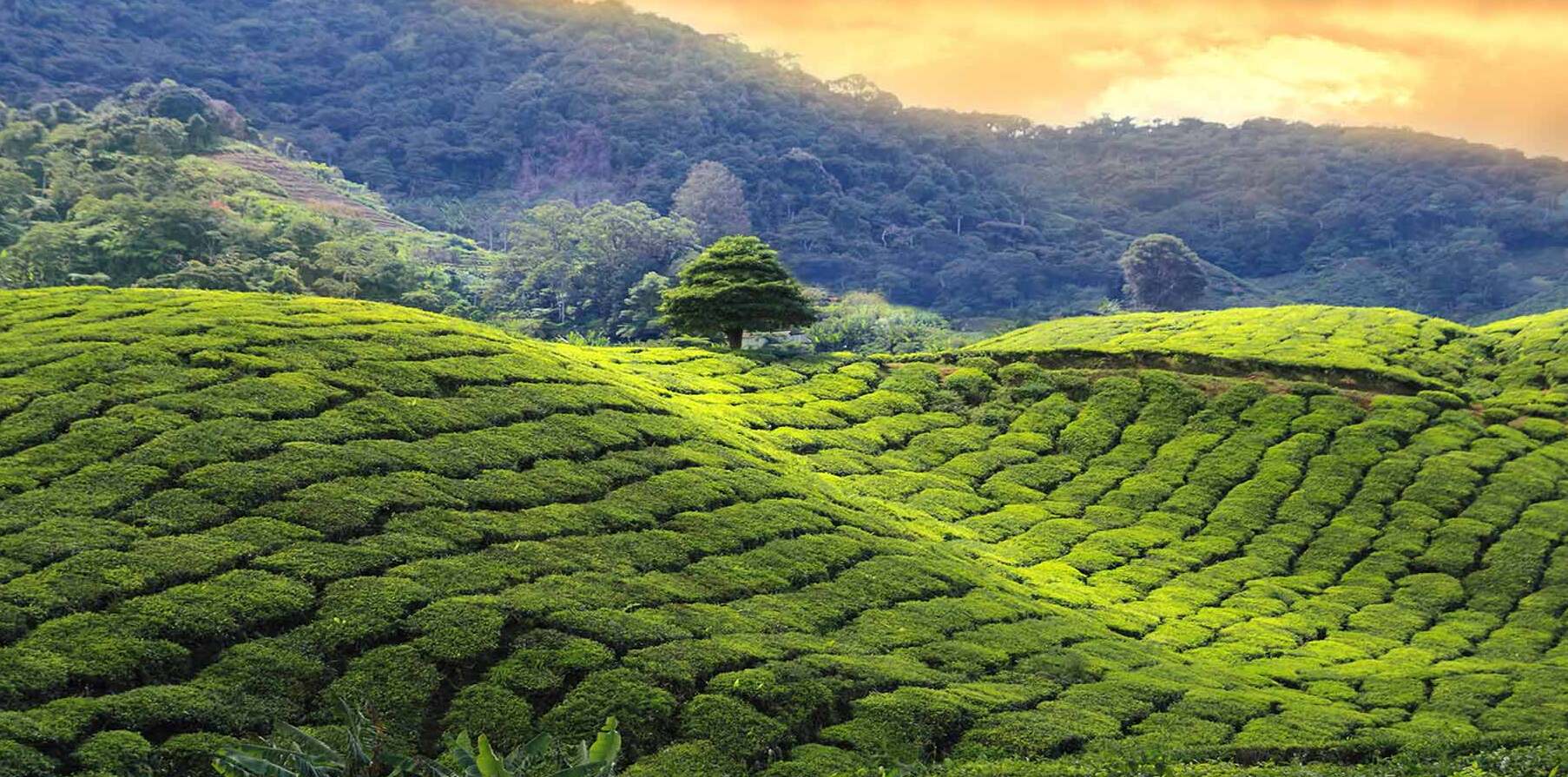

Nestled in the foothills of the majestic Himalayas, Darjeeling, often referred to as the "Queen of the Hills," stands as a testament to both natural beauty and cultural diversity. This picturesque town at an altitude of around 2200 meters is renowned globally for its Darjeeling tea, often dubbed the "Champagne of Teas," but its allure extends beyond its lush green plantations.
The history of Darjeeling is as rich and invigorating as its tea. Originally part of the Kingdom of Sikkim, the region's strategic significance was recognized by the British in the early 19th century. By 1835, it was ceded to the East India Company, marking the beginning of its transformation into a hill station. The arrival of the British brought about significant changes, including the establishment of tea gardens by Dr. Campbell, the British Resident, in the 1840s. Over the decades, these plantations flourished, turning Darjeeling into one of the most important tea producers in the world.
Architecturally, Darjeeling offers a fascinating blend of colonial and indigenous styles. The Darjeeling Himalayan Railway, a UNESCO World Heritage Site, is a marvel of engineering, winding its way through steep terrains and offering breathtaking views. Colonial-era buildings like the Windamere Hotel and St. Andrew's Church showcase British architectural influence. Meanwhile, structures like the Bhutia Busty Monastery highlight the region's Tibetan Buddhist heritage, with its intricate murals and ancient manuscripts.
The cultural fabric of Darjeeling is woven with threads from diverse communities, including the Gorkhas, Lepchas, and Bhutias. This diversity is celebrated through vibrant festivals such as Losar, the Tibetan New Year, and Maghe Sankranti, a significant event for the Nepali community. During these times, the streets come alive with music, dance, and traditional attire, offering visitors a glimpse into the region's rich cultural tapestry.
No visit to Darjeeling would be complete without indulging in its unique gastronomy. The local cuisine is a delightful blend of flavors influenced by Nepali, Tibetan, and Bengali traditions. Be sure to try momos, succulent dumplings filled with meat or vegetables, and thukpa, a hearty noodle soup. For a sweet treat, chaang, a traditional fermented drink, offers a taste of local hospitality.
Beyond its tea and scenery, Darjeeling harbors lesser-known curiosities. The Padmaja Naidu Himalayan Zoological Park is renowned for its conservation of the elusive snow leopard. Meanwhile, the Darjeeling Peace Pagoda, built by Japanese monks, offers a serene space for meditation with panoramic views of Mount Kanchenjunga.
For practical travel tips, the best time to visit Darjeeling is between March to May and October to November, when the weather is pleasant and the skies are clear. It's advisable to dress in layers, as temperatures can vary throughout the day. While exploring, don't miss a ride on the Toy Train or a visit to the Tiger Hill for an unforgettable sunrise view.
For a journey as unique as Darjeeling itself, plan with the Secret World app to craft your perfect itinerary.