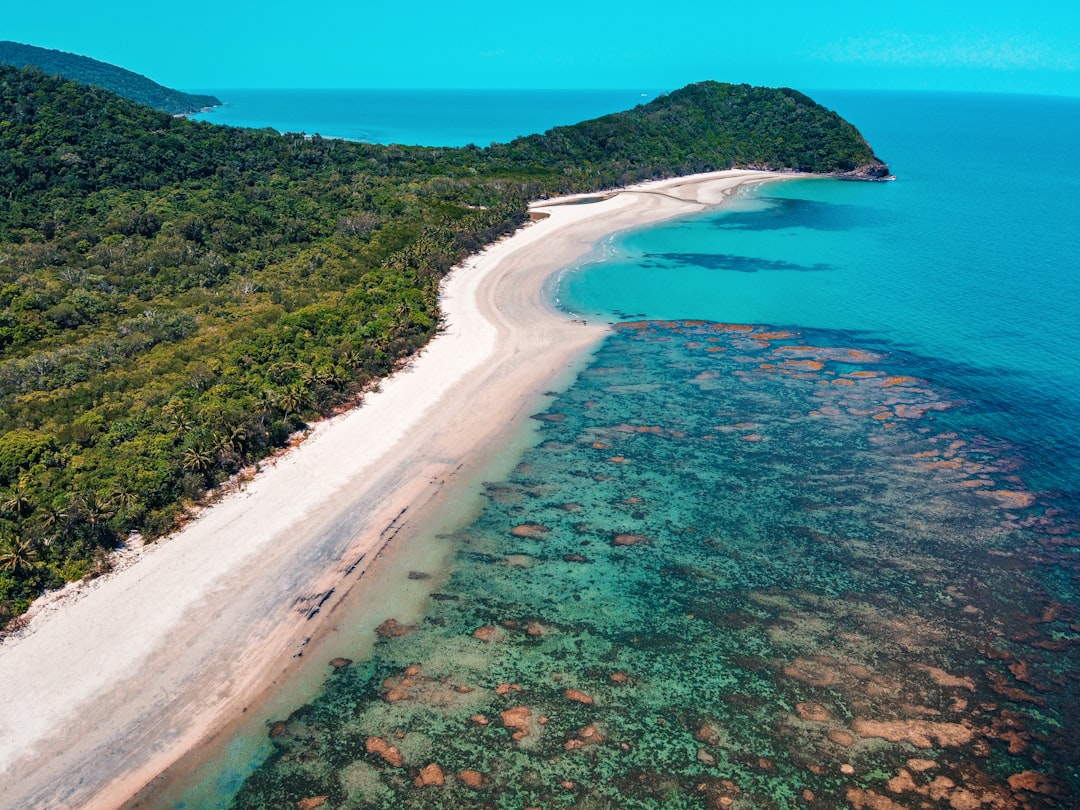

At dawn, when the light filters through the canopies of the trees in Cape Tribulation, the Daintree rainforest reveals a color palette that ranges from deep emerald green to golden yellow, with layers of low fog wrapping around the roots of the trees like a veil. This tropical rainforest is considered the oldest on the planet, with an estimated age of over 135 million years, even predating the appearance of dinosaurs in the form we know. Walking here means moving through an ecosystem that existed before Australia separated from the supercontinent Gondwana.
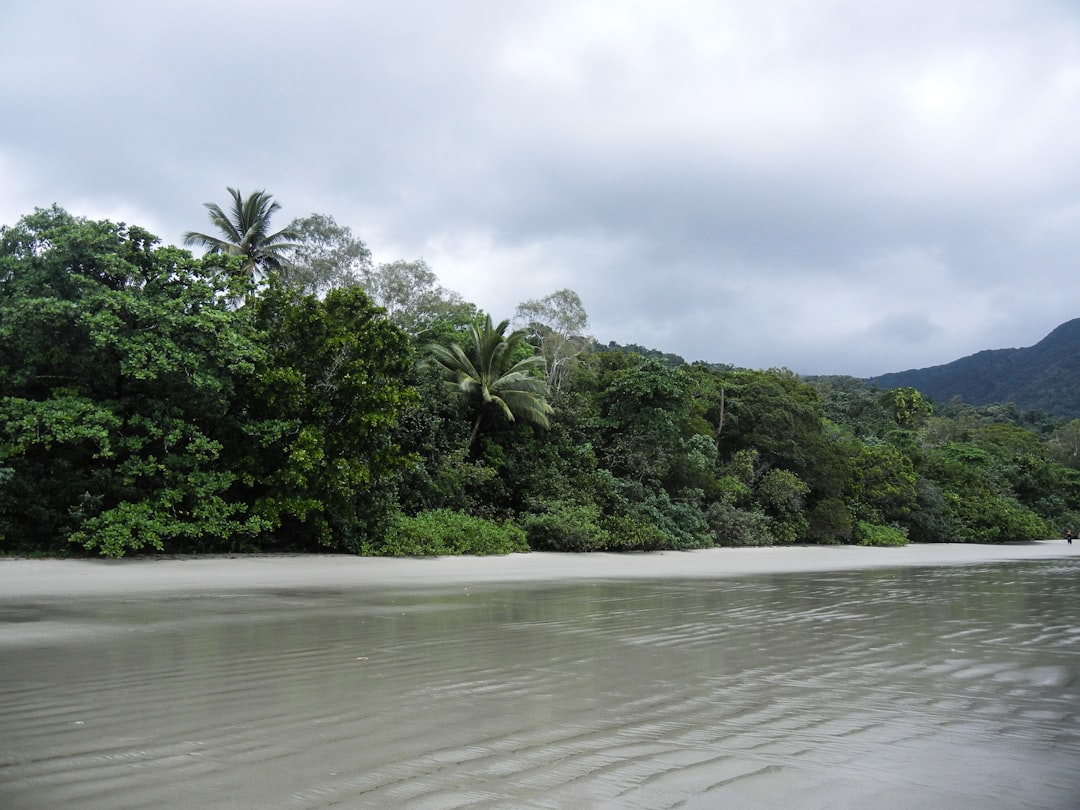
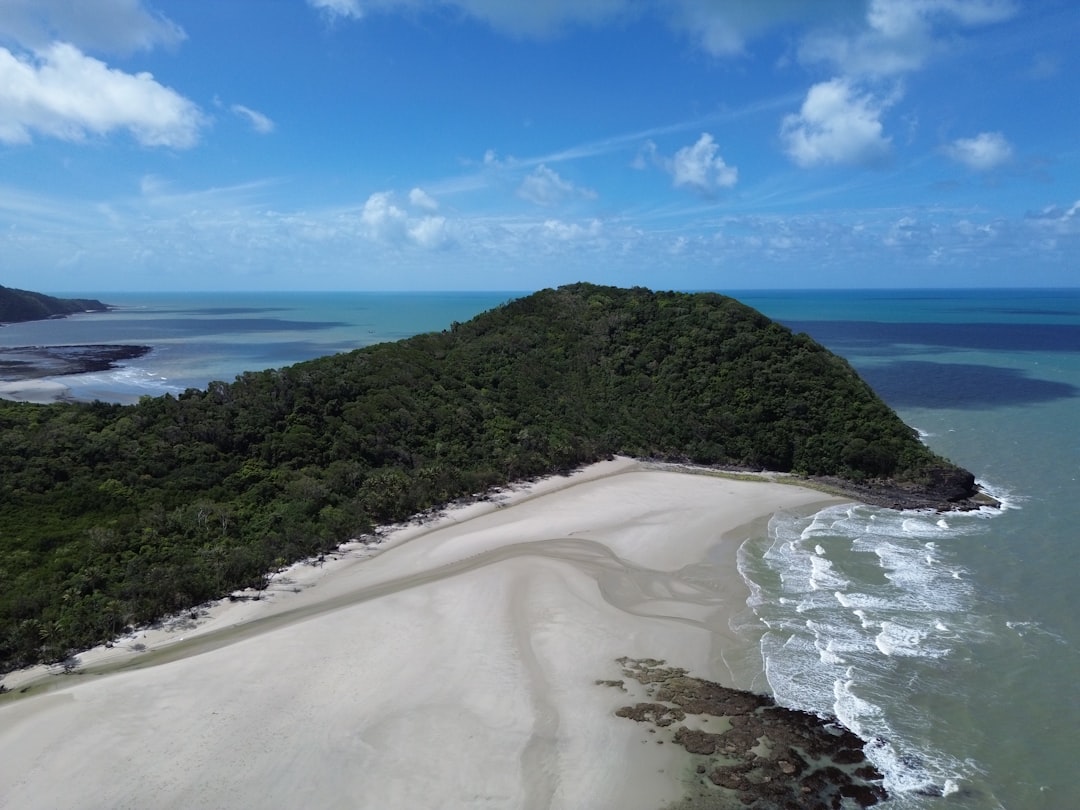
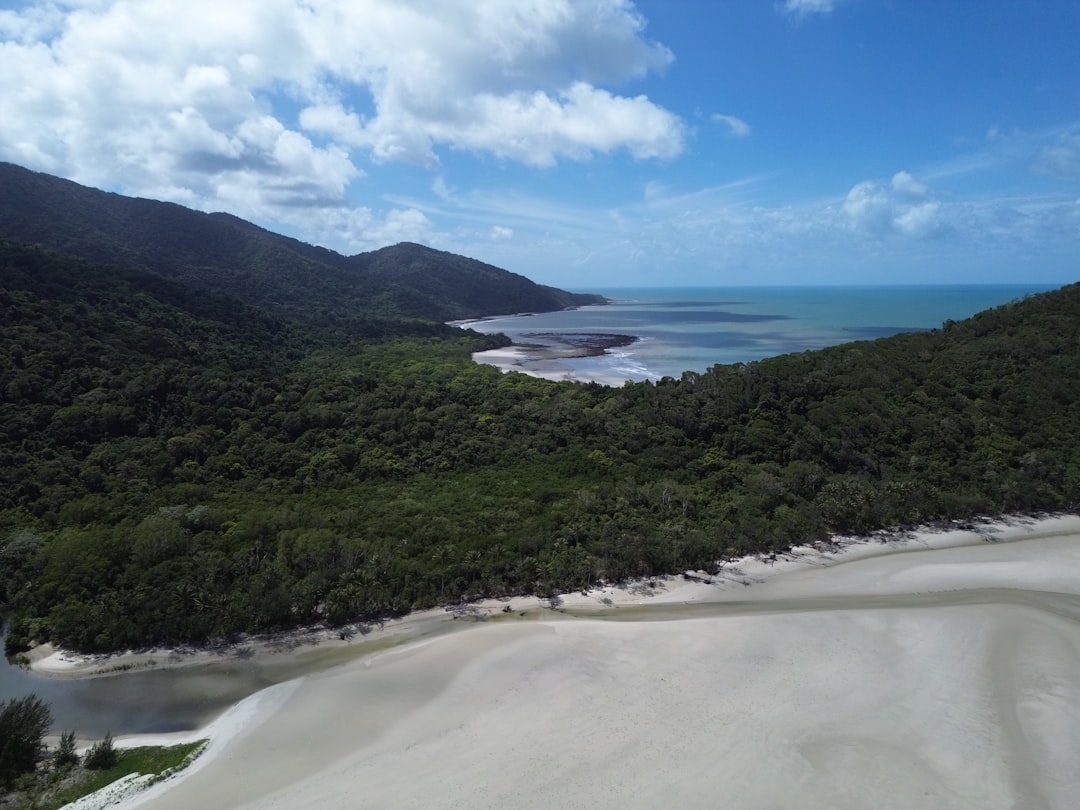
Cape Tribulation is located in Queensland, about 140 kilometers north of Cairns, and is one of the few places in the world where two of the largest ecosystems on Earth physically meet: the tropical rainforest and the Great Barrier Reef. From the beach at Cape Tribulation, looking out to sea, you can see the turquoise waters of the ocean framed by palm trees and vegetation that almost reaches the shore. It is a landscape that does not require photographic filters to seem unreal.
The colors of the forest at different times of the day
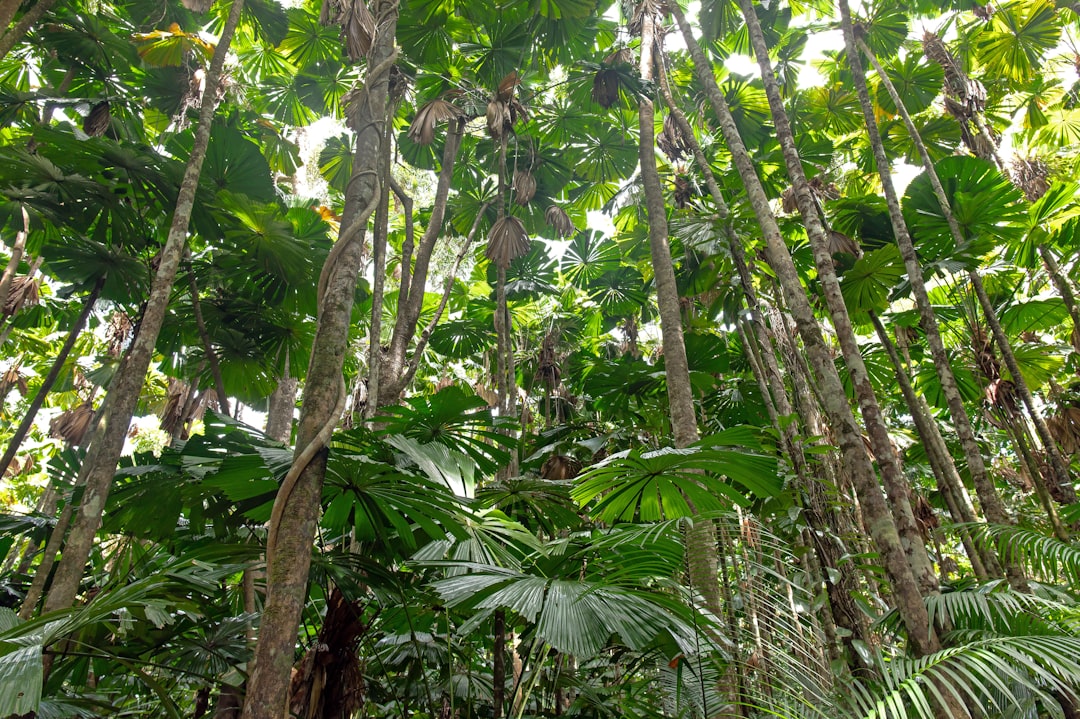
At dawn, around 6 in the morning, the forest takes on almost mystical hues. The slanting light transforms every leaf into a source of its own light, and green multiplies into dozens of different shades: the almost black green of giant ferns, the acidic green of moss on the rocks, the gray-green of lichens on the bark. The humidity in the air, which in this area can reach very high levels during the rainy season from November to April, creates a visual effect similar to that of a slightly blurred photograph at the edges.
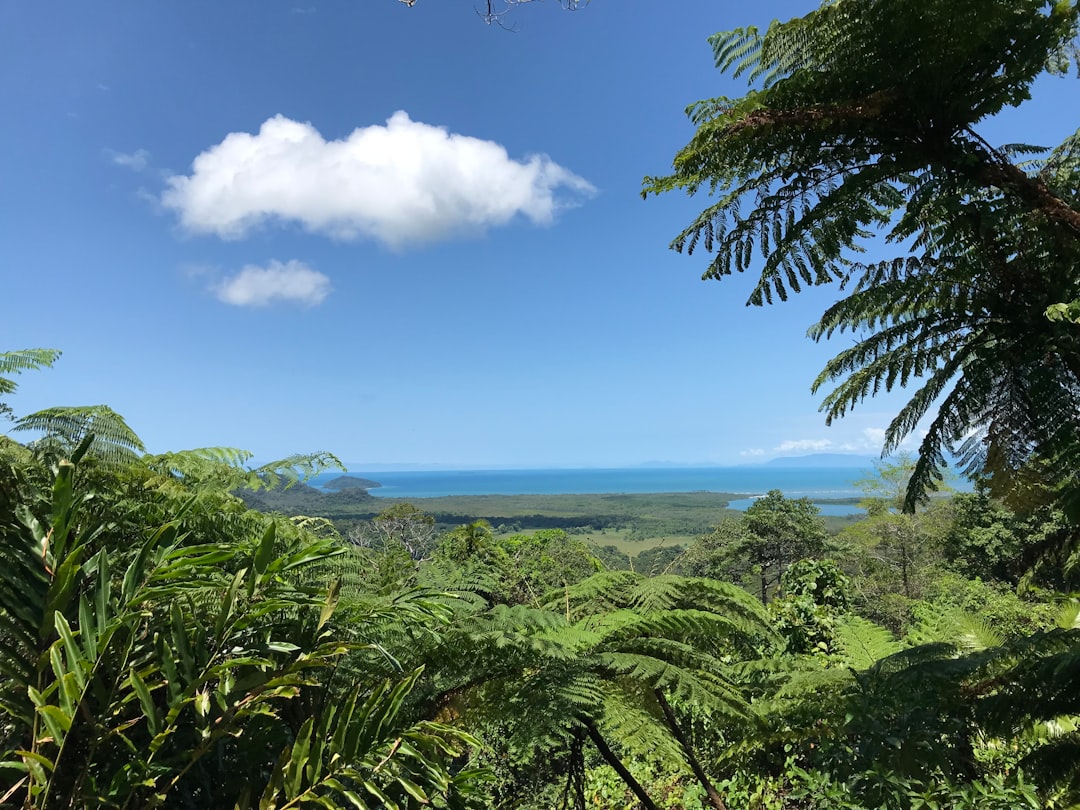
In the afternoon, when the sun is high, the contrasts become sharper. The canopies of the trees, some of which belong to species that have existed for tens of millions of years like cycads and tree ferns, create a canopy so dense that at ground level the light comes through like a green filter. At sunset, the warm tones of orange and red reflect on the waters of the Daintree River, which flows through the forest before emptying into the Coral Sea.
The view from the river: cruises on the Daintree
The cruises on the Daintree River are one of the most effective ways to observe the forest from a different perspective. At water level, the mangroves lining the banks form elaborate natural architectures, with aerial roots intertwining to create suspended galleries between water and land. During these excursions, which typically last between 45 minutes and an hour, it is common to spot saltwater crocodiles (Crocodylus porosus) on the banks, a species that has inhabited this region for millions of years.
The early morning light is the best time for these cruises: the water is still, the reflections of the trees on the surface create almost perfect mirror images, and the wildlife is more active. Local operators, such as those departing from the village of Daintree, offer these excursions with guides specialized in the biology and natural history of the region.
The trails in the forest: what you see while walking
The Marrdja Botanical Walk, one of the most accessible paths in the area, winds for about 1.1 kilometers through rainforest and mangroves near Noah Beach. Along this trail, informational panels identify plant species, some of which have been present on Earth virtually unchanged for over 100 million years. The tree ferns reach considerable heights, and their moss-covered trunks create natural columns that give the forest an almost architectural appearance.
A physically observable detail that surprises many visitors is the presence of buttress roots at the base of many trees: flat, wing-like structures that extend horizontally for several meters from the trunk, necessary in tropical soil where nutrients are concentrated at the surface. These roots, sometimes over a meter tall, create humid micro-environments where additional species of ferns and orchids grow.
Practical tips for visiting Cape Tribulation
The dry season, from May to October, is the recommended time to visit the area: temperatures are milder, around 25-27 degrees, and the trails are passable without the risk of flooding. During the rainy season, some roads in the area can become impassable. To reach Cape Tribulation from Cairns, it is necessary to cross the Daintree River using the Daintree Ferry Road ferry, a service that operates regularly during the day with vehicle fees.
It is important to bring insect repellent and high-protection sunscreen, regardless of the season. The forest provides shade but the humidity is constant. Guided tours, while having an additional cost compared to self-guided visits, allow for the identification of species that would otherwise go unnoticed and provide information about the ecological context that makes the landscape understandable as well as visually extraordinary.