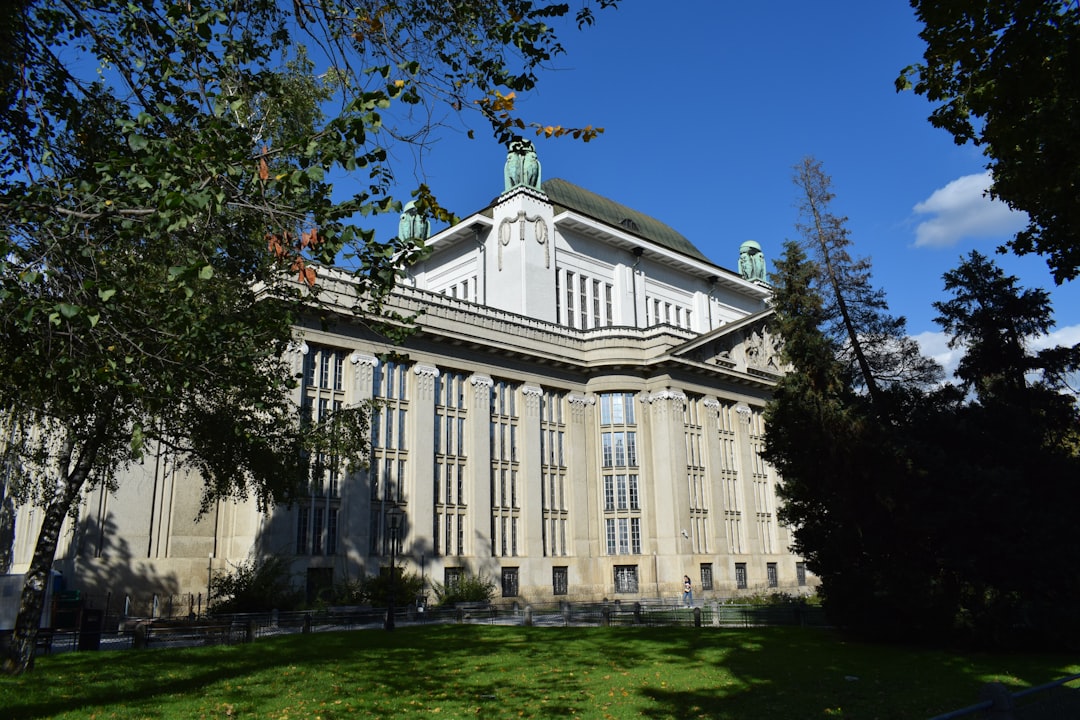

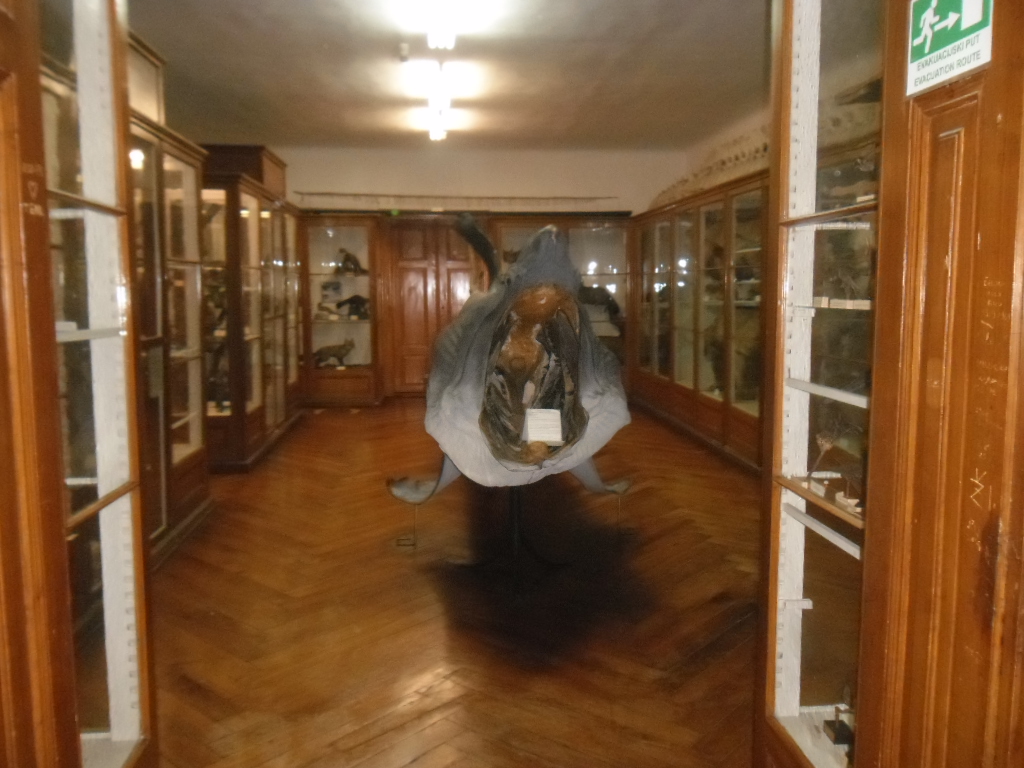
Located in the heart of Zagreb, the Croatian Natural History Museum, known in Croatian as Hrvatski prirodoslovni muzej, represents one of the most significant cultural institutions in Croatia. Founded in 1846, this museum is the largest and oldest of its kind in the country, housing one of the most extensive natural collections in Europe. With over 2 million specimens, including more than 1.1 million animal specimens, the museum is a true treasure trove of biodiversity and natural history.
The museum is situated in one of the oldest areas of Zagreb, Gornji Grad, a part of the city that enchants with its cobblestone streets and historic architecture. The museum's prime location makes it easily accessible to visitors who wish to explore not only its exhibitions but also the rich culture and history of the Croatian capital.
Historical and Cultural Context
The Croatian Natural History Museum has origins dating back to 1846, when it was established as part of the National Museum. Over the years, the museum has undergone various transformations, culminating in 1986 with the merging of several sections into a single entity under its current name. This evolution reflects not only the growth of the collection but also the increasing importance of research and conservation in the field of natural history in Croatia.
The museum is not only a place of exhibition but also a primary research center. Its scientific library, open to the public, and the publication of "Natura Croatica," the first scientific journal of natural history in Croatia, testify to the institution's commitment to promoting knowledge and awareness regarding biodiversity and environmental conservation.
What Stands Out About the Place
A visit to the Croatian Natural History Museum is an experience that fascinates due to the variety and quality of the collections on display. Among the highlights, visitors can admire a wide range of mineralogical and zoological collections, offering an in-depth look at the richness of terrestrial life and its origins. One of the most intriguing aspects is the presence of Neanderthal remains from Krapina, which provide important evidence of our evolutionary history.
Additionally, the museum features two permanent exhibitions in the atrium: the Geological Map of Croatia and the Geological Pole, which provide a visual illustration of the extraordinary geological formations of the country. These exhibitions not only educate the public but also stimulate a deeper interest in geology and paleoanthropology.
Visitor Experience
Visiting the Croatian Natural History Museum is an opportunity to immerse oneself in a journey through time and nature. The museum's halls are well-maintained and organized, allowing visitors to explore the various collections with ease. The arrangement of the exhibitions is designed to guide the public through a narrative path that connects various aspects of natural history, making the visit not only informative but also engaging.
The museum also offers educational activities and workshops for different age groups, making it an ideal place for families and school groups. The opportunity to interact with experts and participate in special events further enriches the visitor experience, transforming the museum into a center of active learning.
Practical Information for Visitors
The Croatian Natural History Museum is easily accessible by public transport, located in a central area of Zagreb. Opening hours vary, so it is advisable to check the museum's official website for the most up-to-date information. Admission is charged, but prices are affordable and justified by the breadth of the collections and the quality of the exhibitions.
Finally, for those who wish to deepen their visit experience and discover other fascinating places in Zagreb, the Secret World app can prove to be a great ally, offering personalized suggestions and useful information to explore the Croatian capital to the fullest.