






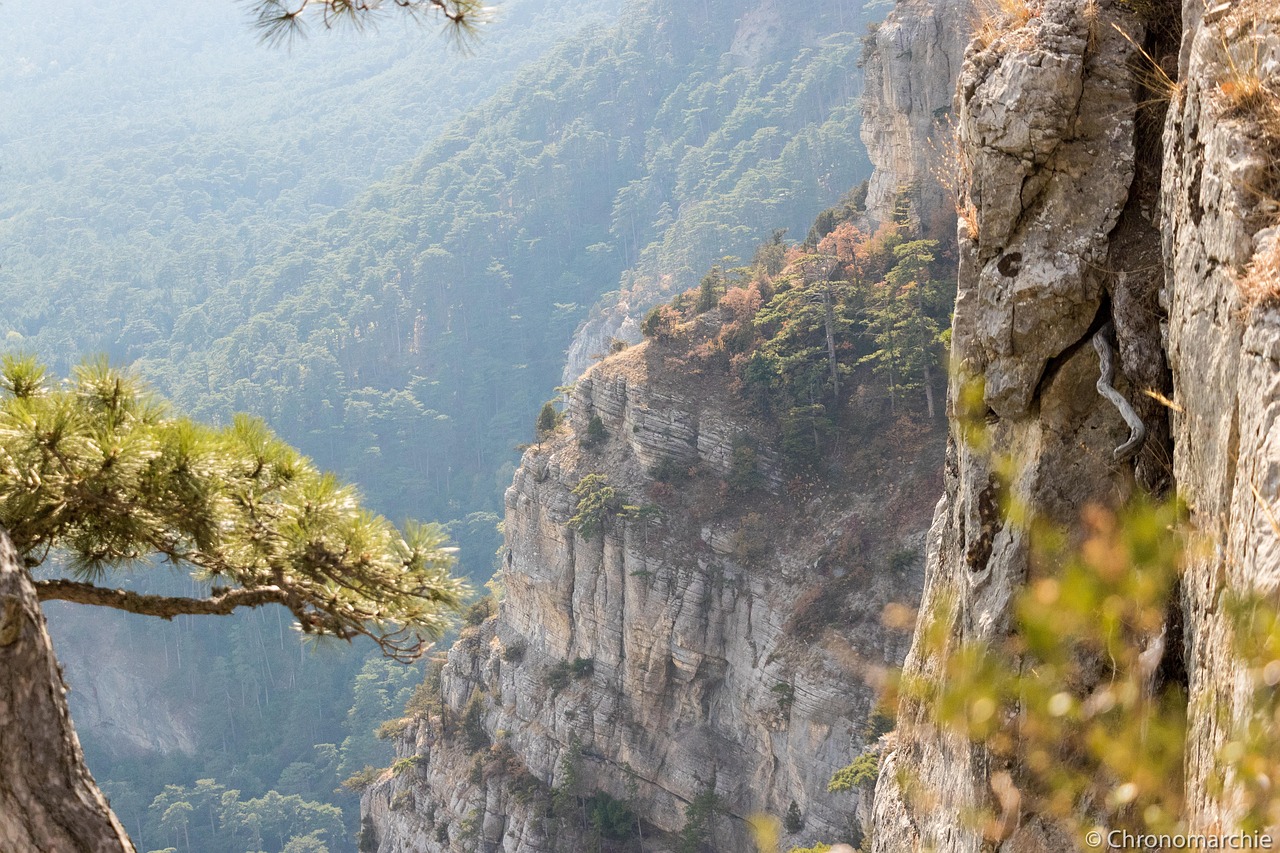
Perched majestically above the coastal region of Yalta, Mount Ai-Petri is not only one of Crimea's most striking natural landmarks but also a tapestry woven with threads of history, culture, and natural beauty. Rising to 1,230 meters, this mountain offers a vista that captures the imagination, with its jagged peaks reminiscent of a medieval crown. It is a place where the whispers of time and nature's grandeur converge to create an unforgettable experience.
The name Ai-Petri has its roots in the Greek language, meaning "Saint Peter," a nod to the mountain's historical ties with the Byzantine Empire. This region has been a crossroads of civilizations throughout history, playing host to Greek settlers, the Byzantine Empire, and later the Crimean Khanate. Each has left its imprint, contributing to the rich historical tapestry that defines the area today. The mountain itself has stood witness to countless historical events, from the strategic military movements of the Crimean War in the 19th century to its role in the shifting geopolitical landscapes of the 20th century.
The architectural elements around Mount Ai-Petri are as diverse as its history. The most notable structure is the Ai-Petri Observatory, which stands as a testament to the region's scientific endeavors. Built in the 1960s, it is a hub for astronomical research and offers a glimpse into the Soviet era's architectural style, characterized by its utilitarian design and functional aesthetics. The surrounding region of Yalta is home to a blend of architectural influences, including neoclassical buildings and palaces such as the famed Livadia Palace, where the Yalta Conference of 1945 shaped the post-World War II world order.

Cultural richness extends beyond architecture to the vibrant traditions of the local communities. Crimean Tatar culture is prevalent here, with traditions steeped in music, dance, and crafts. Visitors can often find themselves amidst local festivals where traditional folk music and dances bring the past to life. The Vine Festival, celebrated annually in the Yalta region, showcases the local viticulture heritage, with grape harvests and wine tastings that date back to ancient times.
No visit to Ai-Petri would be complete without indulging in the region's gastronomy. The area's cuisine is a delightful fusion of Crimean Tatar, Ukrainian, and Russian flavors. Signature dishes such as chebureki, a savory pastry filled with minced meat, and lagman, a hearty noodle soup, reflect the region's multicultural influences. Pair these with a glass of local wine or kefir, a fermented milk drink, to experience the authentic tastes of Crimea.
Beyond the well-trodden paths, Mount Ai-Petri holds secrets that add to its allure. Among these is the Ai-Petri Wind, one of the strongest in Europe, with recorded speeds reaching up to 50 meters per second. The mountain is also home to a unique natural phenomenon known as the Cave of the Ice, where ice formations persist even during the summer months, offering a cool refuge and a striking contrast to the sun-drenched rocks above.
For those planning a visit, the best time to explore Mount Ai-Petri is during the late spring or early autumn when the weather is mild and the crowds are fewer. The mountain is accessible by an iconic cable car ride, which offers breathtaking views of the surrounding landscapes. It is advisable to wear sturdy footwear and bring layers, as the weather can change rapidly at the summit. Look out for the suspension bridges that offer adventurers a chance to cross between the mountain's peaks for an adrenaline-pumping experience.
Whether you're drawn by the call of history, the allure of natural beauty, or the vibrant local culture, Mount Ai-Petri promises a journey that is as enriching as it is exhilarating. As you stand atop its peaks, with the world unfurling at your feet, you'll find that Ai-Petri is more than just a mountain; it's a gateway to the soul of Crimea.