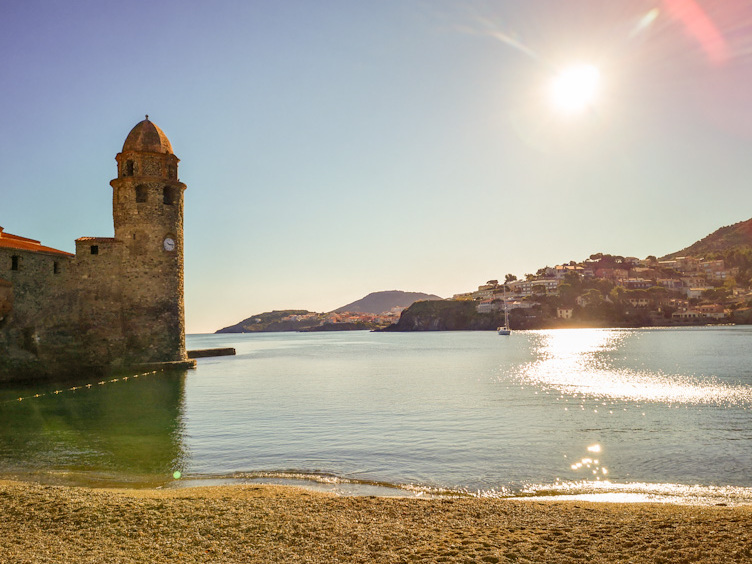

Perched on the Mediterranean coast just a few kilometers from the Spanish border, Collioure is a picturesque gem of the Occitanie region, where ancient history intertwines seamlessly with vibrant artistic legacy. This charming village, with its colorful houses and serene bay, is not just a feast for the eyes; it is also a cradle of cultural significance that has inspired generations of artists and writers.
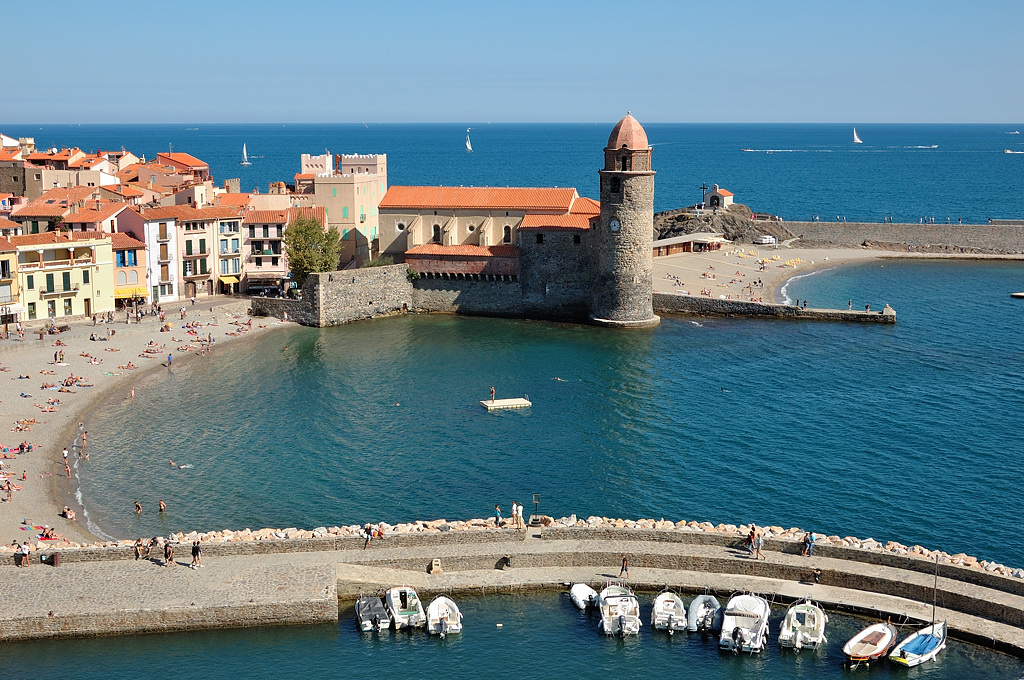
Historically, Collioure traces its origins back to the Roman era, when it was known as Colioure. The town's strategic location made it a coveted port, and it flourished under the Visigoths in the 5th century. In the Middle Ages, the Fort Saint-Elme, built in the 17th century, became a crucial defense against pirates and foreign invasions, marking Collioure's importance in regional history. The village continued to thrive, particularly in the 19th and early 20th centuries, when it became a haven for artists, including the renowned Henri Matisse and André Derain, who founded Fauvism here in 1905, radically transforming the art world with their vibrant use of color.
Walking through Collioure, visitors are enveloped by a tapestry of architectural styles reflecting its rich past. The most notable landmark is the Église Notre-Dame-des-Anges, with its striking bell tower and baroque altar said to be designed by the architect Pierre Mignard. The church's picturesque seaside setting, alongside the Fort Saint-Elme, creates a stunning tableau that has captured the hearts of countless artists. The narrow, winding streets of the Mouré quarter, adorned with lively murals and quaint boutiques, echo the charm that captivated Matisse and Derain over a century ago.
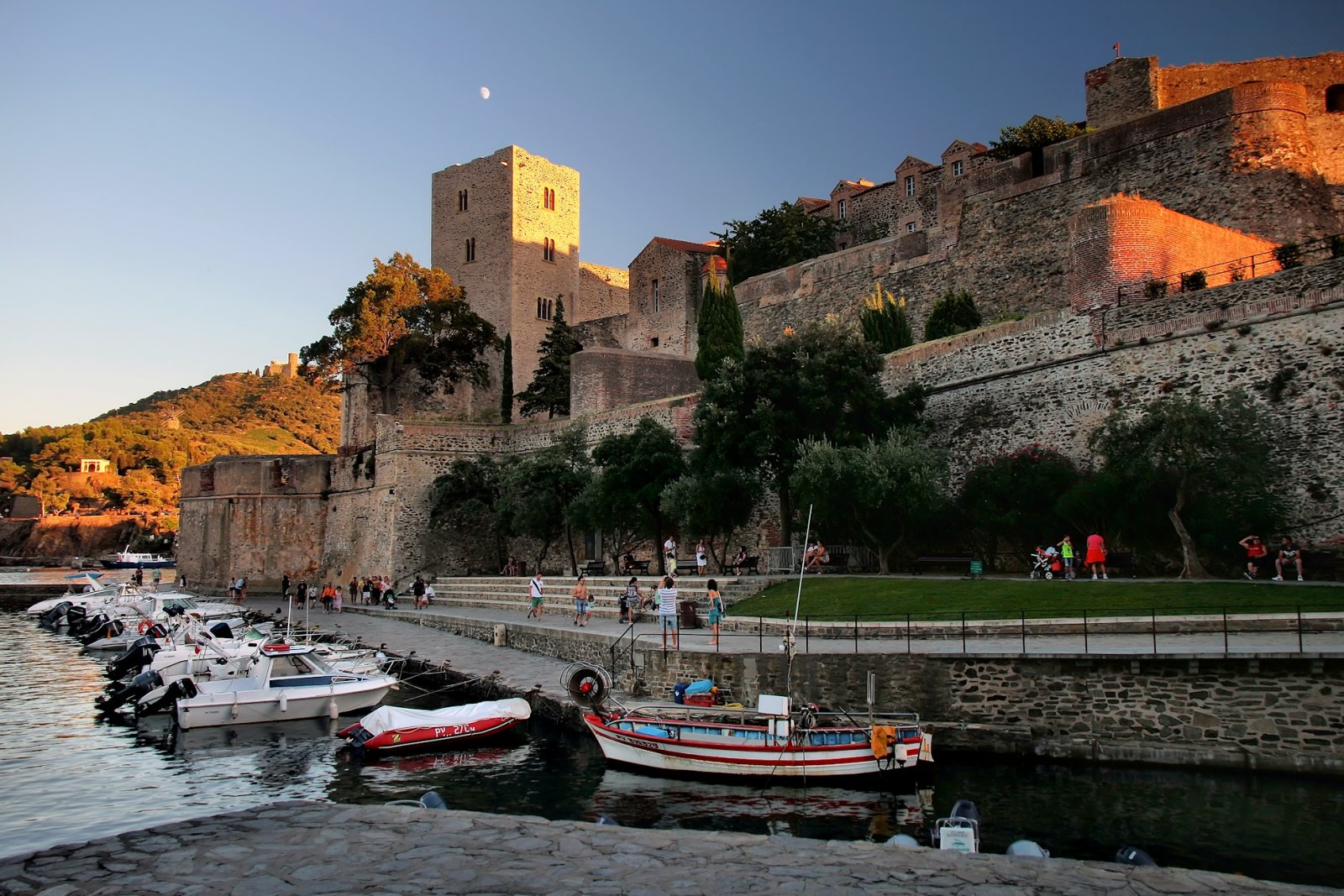
Artistic expression is deeply woven into the fabric of daily life in Collioure. The town hosts numerous galleries and workshops where local artists showcase their talents. The Musée d'Art Moderne, housed in the Villa Pams, features works from the Fauvist movement and other modern artists, providing a glimpse into the vibrant artistic currents that have flowed through the village. The annual Festa de la Sardina, celebrated in May, sees locals and visitors alike enjoying freshly grilled sardines while honoring the town's fishing heritage.
Collioure’s gastronomy is a delicious reflection of its coastal environment and Catalan influences. The local cuisine is characterized by specialties such as anchovies, which are prepared in various ways, including the famed anchovies of Collioure—cured and served with crusty bread. Tapenade, a spread made from olives, capers, and anchovies, is another must-try, often paired with a glass of Collioure wine, a robust red or refreshing rosé produced from the surrounding vineyards. Don’t miss the opportunity to taste fideuà, a local version of paella made with noodles instead of rice, showcasing the rich culinary blend of Spanish and French flavors.
For those who venture beyond the well-trodden paths, Collioure holds many lesser-known secrets. One intriguing fact is that the town’s harbor is home to the Canoë-Kayak Club, where visitors can explore the stunning coastline from the water, revealing hidden coves and secluded beaches that are often overlooked. Additionally, the paper mill in Collioure produces handmade paper, a craft that has been preserved for generations.
The best time to visit this idyllic village is during the spring and early fall when the weather is mild and the crowds are thinner. Be sure to take leisurely strolls along the Boramar beach at sunrise, when the first light casts a golden hue over the water, creating a magical atmosphere. To fully experience the local life, explore the daily markets where fresh produce, artisanal goods, and regional delicacies abound.
For a personalized experience, consider planning your visit with the Secret World app, which can help you uncover the hidden treasures of Collioure.