





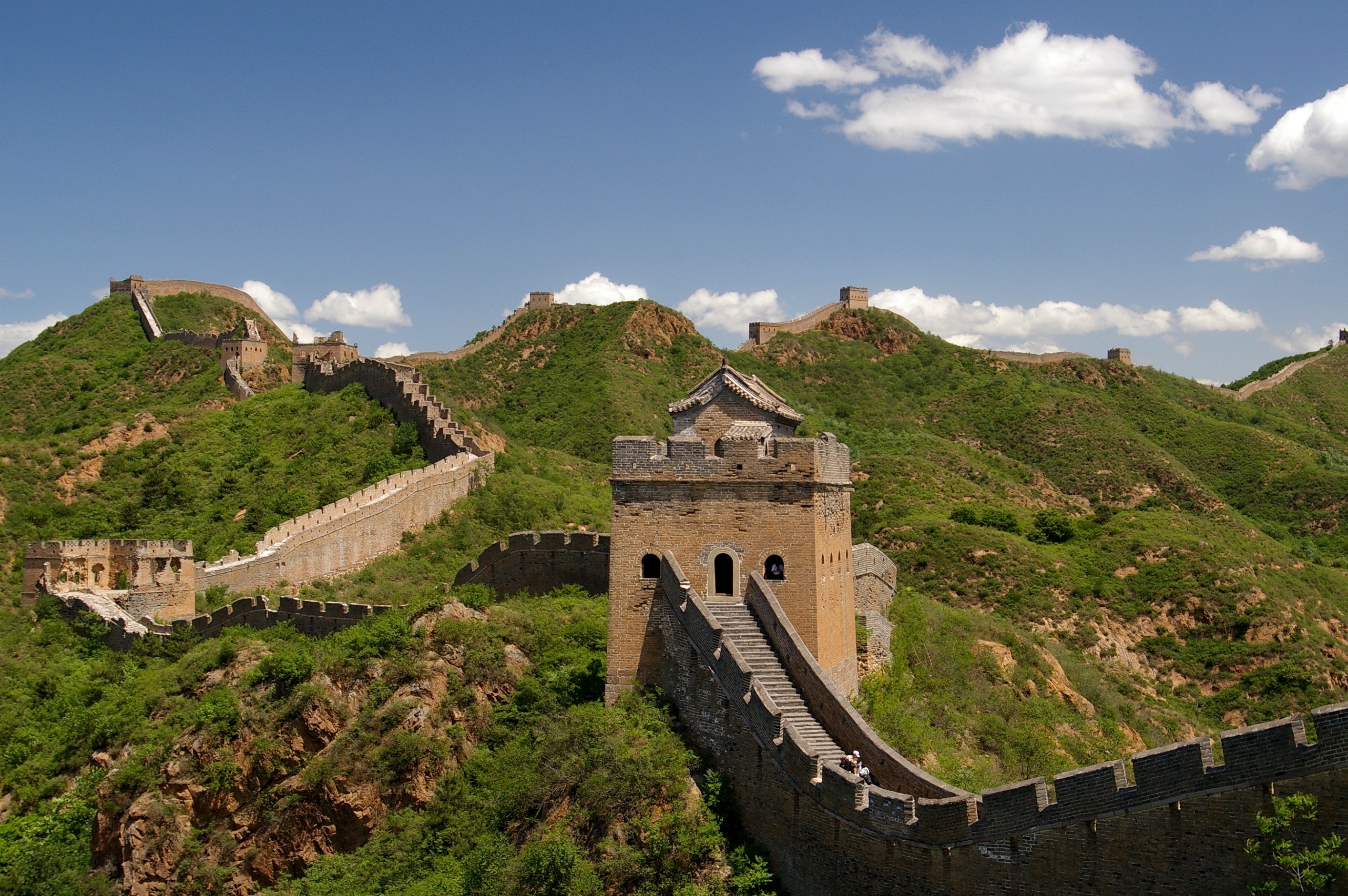
The Great Wall of China is more than just a wall; it's a monumental testament to the ingenuity and persistence of ancient civilizations. Snaking across the rugged landscapes of China like a colossal dragon, this historic fortification stretches over approximately 13,171 miles, with its most famous sections accessible from Pechino (Beijing). Standing as a symbol of China's enduring strength and cultural heritage, the Great Wall is an awe-inspiring sight that beckons travelers from around the globe.

### History and Origins The origins of the Great Wall date back to the 7th century BCE, during the Warring States Period. However, the most significant developments occurred under the reign of Qin Shi Huang, the first Emperor of China, around 221 BCE. He envisioned a unified defense system, linking existing walls and fortifications to protect against invasions from northern nomadic tribes. Over successive dynasties, particularly during the Ming Dynasty (1368–1644), the Wall underwent further expansions and fortifications. This period saw the Wall transform into a more sophisticated structure with brick and stone, featuring watchtowers and garrison stations.
### Art and Architecture The architectural style of the Great Wall is as varied as its vast expanse. The most iconic sections near Pechino, such as Badaling and Mutianyu, showcase the Ming Dynasty's craftsmanship with their brickwork and imposing watchtowers. These sections were built not only for defense but also to convey imperial power and might. Artistic embellishments, like intricate carvings and inscriptions, can be found in some sections, celebrating military victories and the Wall's protective role.

### Local Culture and Traditions For the local communities surrounding the Great Wall, this ancient structure is woven into the fabric of daily life and cultural identity. The Wall hosts several traditional festivals, such as the Yanqing Ice Festival, where locals and visitors alike celebrate with awe-inspiring ice sculptures and traditional performances. The Double Ninth Festival, celebrated on the ninth day of the ninth lunar month, sees locals climbing the Wall to ward off bad luck and honor ancestors.
### Gastronomy The regions around the Great Wall, particularly in Hebei and Beijing, are rich in culinary traditions. Visitors can sample Peking duck, a dish renowned for its crispy skin and tender meat, traditionally served with pancakes and sweet bean sauce. Another local favorite is Zha Jiang Mian, noodles topped with a savory soybean paste, which reflects the simple yet flavorful cuisine of northern China.
### Lesser-known Curiosities While many are familiar with the grandeur of the Great Wall, few know about the Jiankou section, famed for its breathtakingly rugged beauty and challenging hikes. This unrestored section offers a glimpse into the Wall's raw, ancient form, with crumbling stones and overgrown pathways. Another intriguing fact is that parts of the Wall are visible from space, a testament to its sheer scale, although this is often debated.
### Practical Visitor Information The best time to visit the Great Wall is during the spring (April to June) and autumn (September to November) when the weather is mild, and the landscape is vibrant. To avoid the crowds, consider visiting lesser-known sections like Huanghuacheng. Always wear comfortable footwear, as exploring the Wall involves a fair bit of climbing and walking on uneven surfaces. Be sure to bring water and snacks, as amenities can be sparse along certain sections.
Whether you're drawn by its history, architecture, or the sheer adventure, the Great Wall of China offers an unforgettable experience. Discover more with a personalized AI itinerary using the Secret World app.