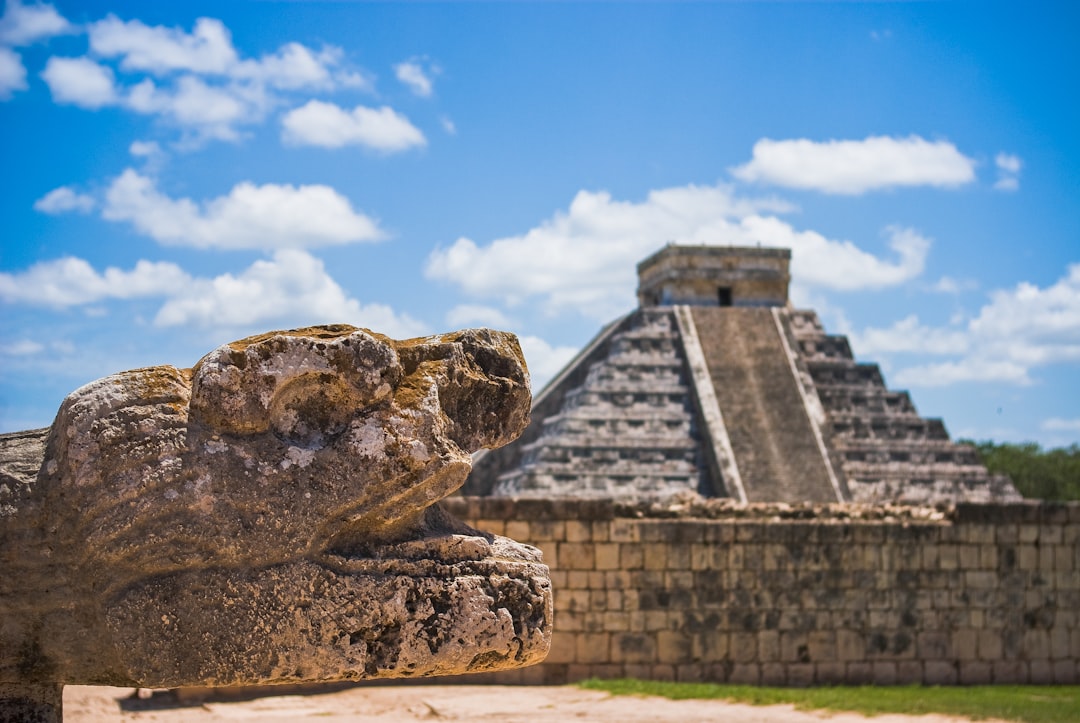

Twice a year, during the spring and autumn equinoxes, an extraordinary phenomenon transforms the north staircase of the pyramid of El Castillo: the play of light and shadow creates the visual illusion of a feathered serpent slowly sliding down, from the top to the sculpted head at the foot of the stairs. It is not magic, but millennia-old astronomical engineering. The Maya who built Chichén Itzá knew exactly what they were doing.
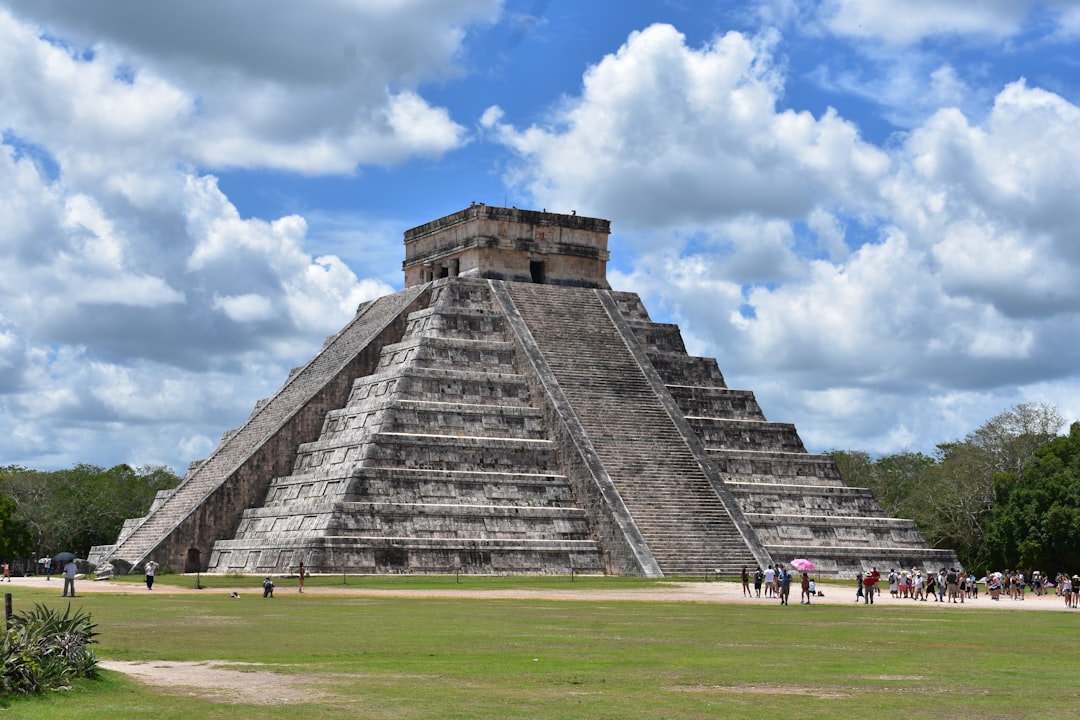
Located in the Yucatán Peninsula, about 40 kilometers from Valladolid and about 120 kilometers from Mérida, Chichén Itzá is one of the most studied and visited archaeological sites in all of Mesoamerica. Declared a UNESCO World Heritage Site in 1988 and included among the New Seven Wonders of the World in 2007, the city tells centuries of Maya civilization through structures that still challenge the understanding of contemporary architects.
The Castle: a pyramid that is also a calendar

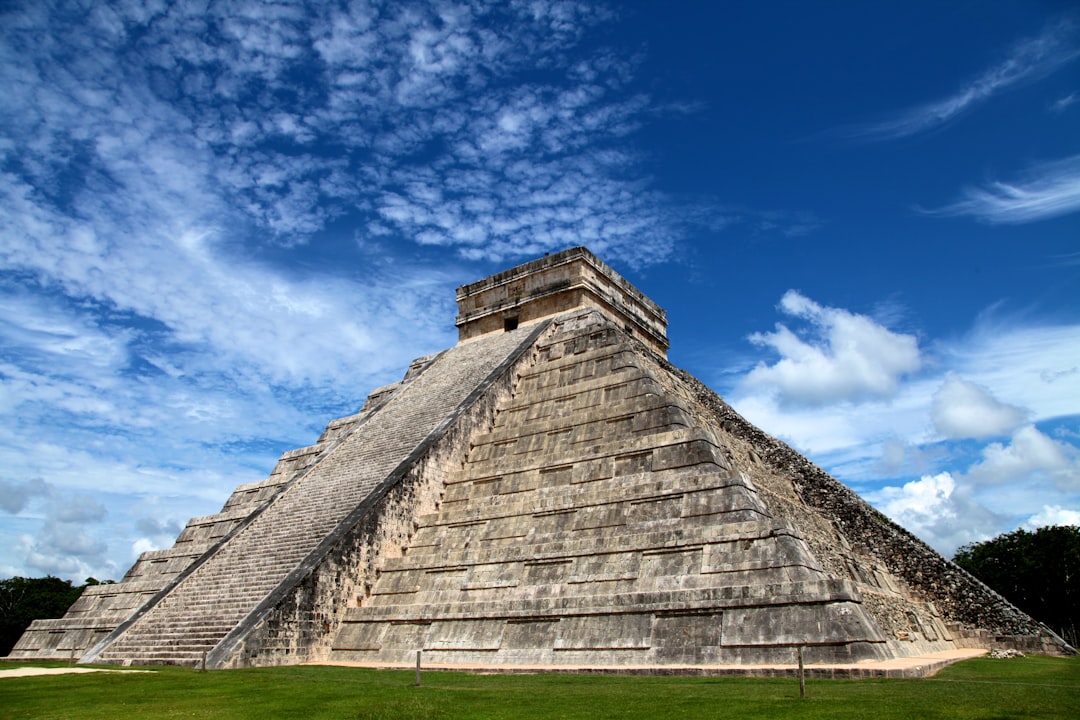
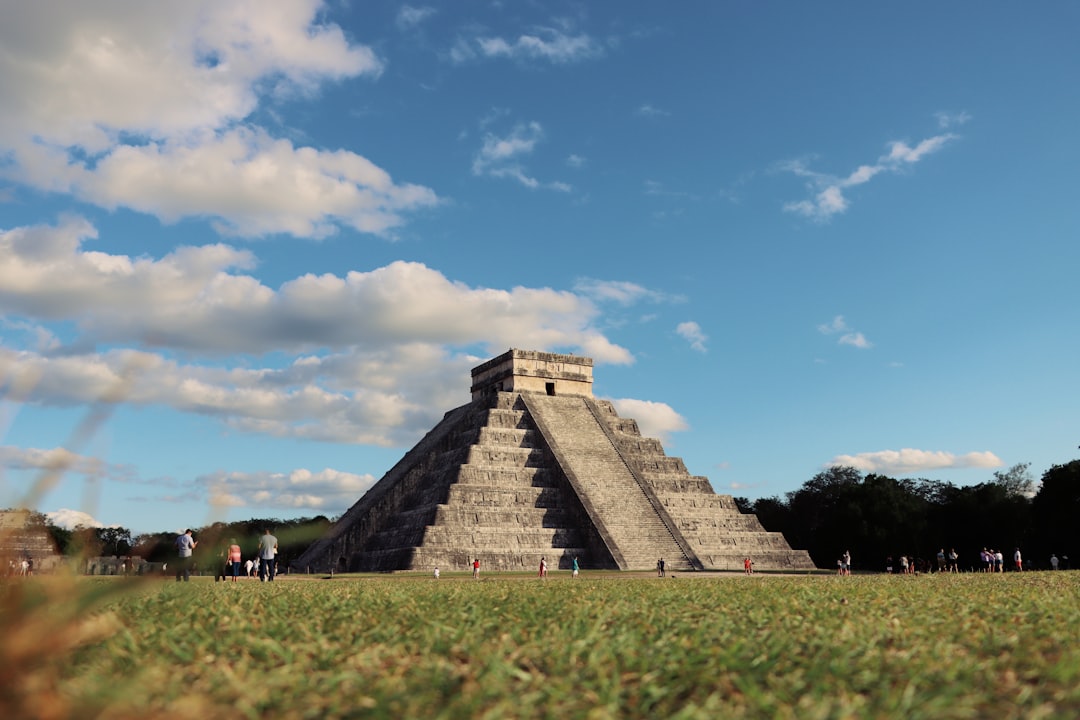
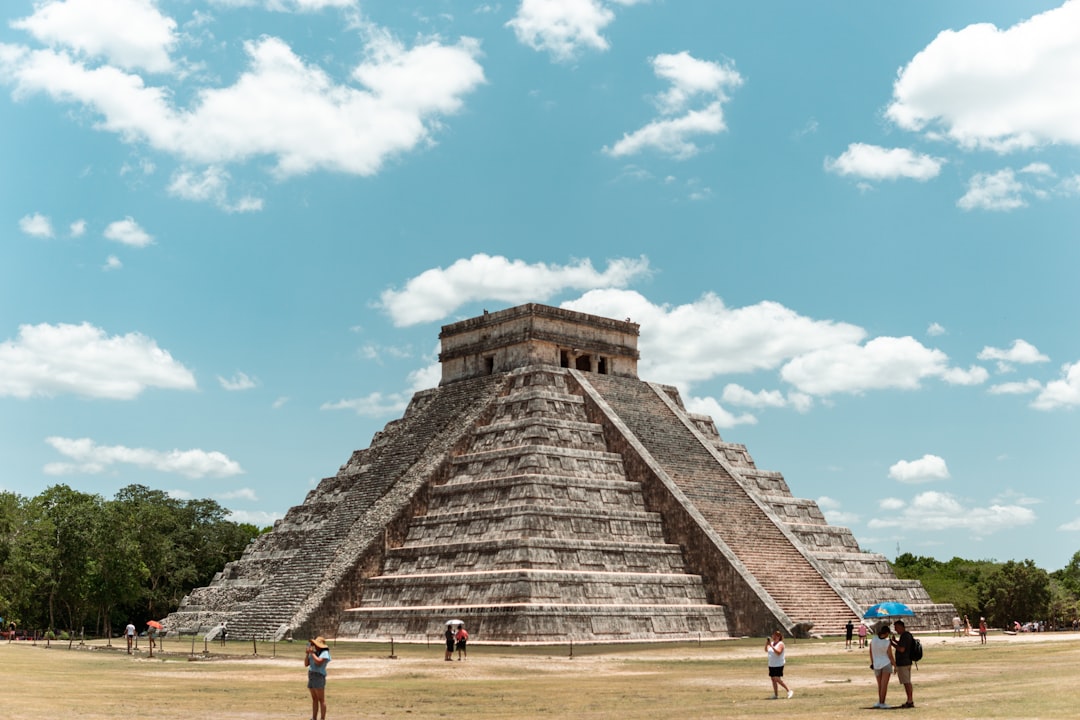
The structure that dominates the site is The Castle, also known as the Pyramid of Kukulcán, the feathered serpent god of the Maya pantheon. About 30 meters high, the pyramid features four staircases, each with 91 steps: multiplying by four and adding the summit platform gives 365, the exact number of days in the solar year. It is not a coincidence, it is a deliberate design.
Each facade of the pyramid is precisely oriented towards the cardinal points. The nine terraces that make up the structure are divided in two by a horizontal frame, creating eighteen sections that correspond to the eighteen months of the Maya calendar. Observing the pyramid up close, one notices the relief decorations on the limestone: masks of the rain god Chaac, stylized serpents, geometric patterns that repeat with an almost obsessive consistency. The construction mainly dates back to the period between 900 and 1200 AD, during the Postclassic phase of Maya civilization.
The Temple of the Warriors and the Sacred Cenote
Not far from El Castillo stands the Temple of the Warriors, the Temple of the Warriors, flanked by hundreds of carved columns that once supported wooden and straw structures now vanished. The figure of Chac Mool — a reclining sculpture with a basin on its belly intended for offerings — welcomes the visitor at the entrance of the temple. The complex clearly shows Toltec influences, a testament to the intense cultural exchanges that characterized this cosmopolitan city.
About 300 meters from the main pyramid opens the Sacred Cenote, a natural well about 60 meters in diameter and 20 meters deep. The green and dark waters hold centuries of votive offerings: archaeologists and divers have recovered throughout the twentieth century gold jewelry, jade objects, ceramics, and human remains, confirming that this cenote was a place of religious ceremonies and ritual sacrifices. Looking down from the edge of the limestone rock immediately makes it clear why the Maya considered it a gateway to the world of the gods.
The Ball Game: sport and ritual
Chichén Itzá hosts the largest ball court in all of Mesoamerica: about 168 meters long and 70 wide, it is flanked by two vertical walls nearly 8 meters high, on which stone rings are embedded through which players had to pass a solid rubber ball. The walls are decorated with bas-reliefs depicting scenes of play and, according to some interpretations, ritual sacrifices related to the competition.
The acoustics of the court are one of the most surprising elements to experience physically: a spoken voice at one end can be heard clearly at the other end, over 150 meters away. It is unclear whether this effect was intentional or accidental, but it contributes to the dense and almost unreal atmosphere of the place.
Practical Information for the Visit
The site is open every day from 8:00 AM to 5:00 PM. The entrance ticket includes a Mexican federal fee and a Yucatán state fee, totaling around 500-600 Mexican pesos per person (about 25-30 euros), but it is advisable to check the updated prices before departure as they vary. The most important advice: arrive at opening time, at 8:00 AM. Chichén Itzá receives thousands of visitors every day, especially in the months between November and March, and during the central hours the crowd can make it difficult to appreciate the site. The first two hours of the morning offer better light for photographs, cooler temperatures, and a much more intimate atmosphere.
From Valladolid, the site can be reached in about 40 minutes by bus or taxi. From Cancún, the transfer takes about two and a half hours. Bringing plenty of water, sunscreen, and comfortable shoes is essential: the site is entirely traversed outdoors on uneven terrain, and the distances between the main structures are significant. Climbing El Castillo has not been allowed since 2006, to protect the structure from wear and tear.