
In the heart of Normandy, the Château de Falaise stands majestically, a silent witness to centuries of history and battles. Located in the town of Falaise, this castle is famous for being the birthplace of William the Conqueror, a figure who profoundly marked European history. Its strategic position overlooking the Ante River offers a panoramic view that enchants visitors and invites them to discover the stories hidden within its walls.
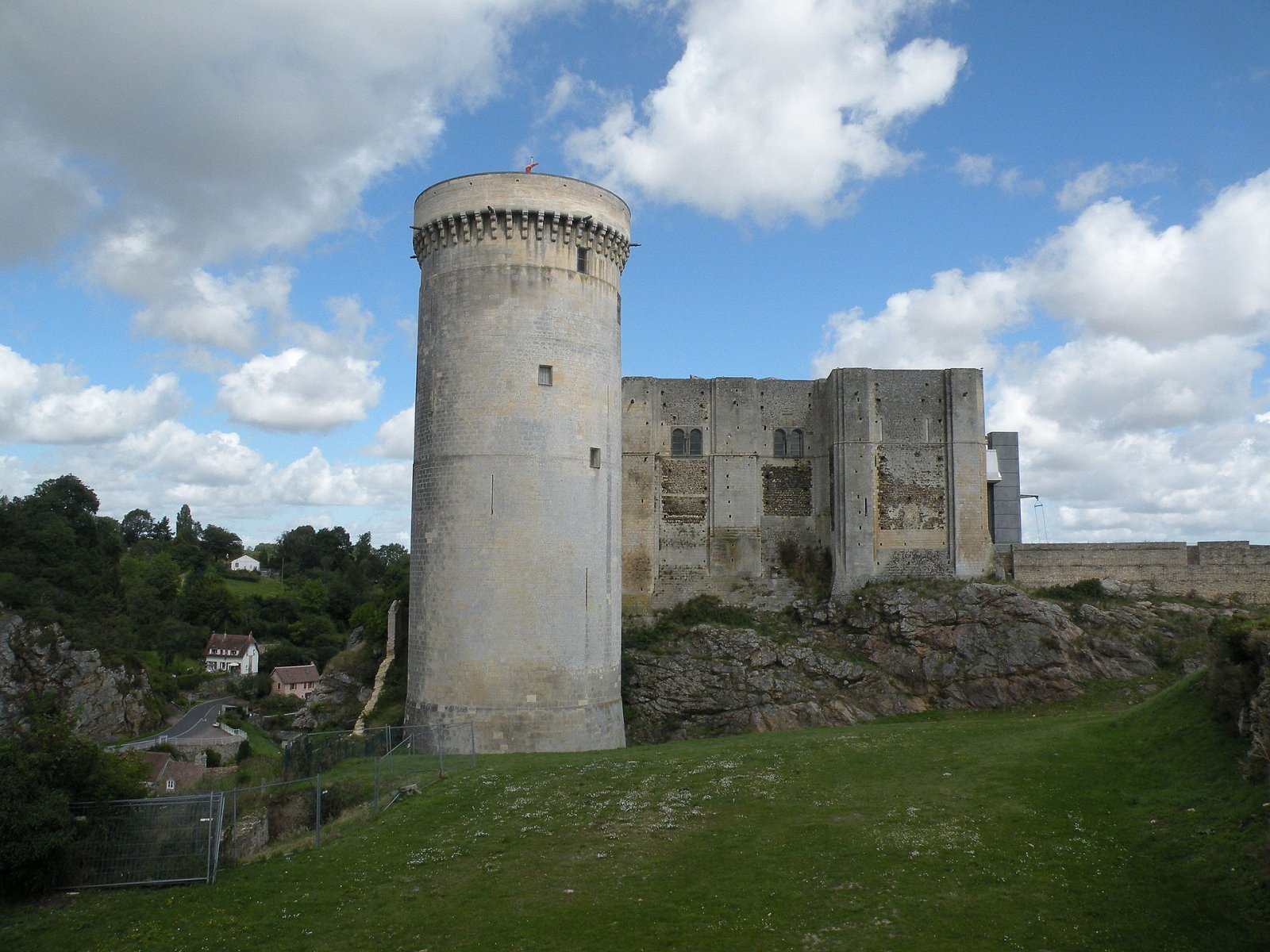
Built in the 11th century, the castle is an extraordinary example of medieval architecture, characterized by imposing towers and a moat that surrounds it. Today, the castle is not only a historical monument but also a cultural venue, hosting events and exhibitions that draw attention to a rich and fascinating past.
History and Origins
The Château de Falaise was built at the behest of William the Conqueror, also known as William I of England. Its construction began in 1027, and the castle quickly became a symbol of Norman power. Over the centuries, the structure has undergone numerous renovations and expansions, while still maintaining its original charm. During the Hundred Years' War, the castle was the scene of significant clashes and sieges, helping to define its strategic role in the region.
In 1944, Falaise became a crucial battleground during World War II, particularly during the Battle of Normandy. The fierce battles that took place in this area left indelible marks, making the castle not only a place of beauty but also a symbol of resistance and hope. Today, the castle has been restored and opened to the public, allowing visitors to immerse themselves in its fascinating history.
Elements to Observe
When visiting the Château de Falaise, tourists can admire the majestic William's Tower, which offers a panoramic view of the town and its surroundings. The ancient walls, still imposing, tell stories of battles and daily life in the Middle Ages. Inside, the castle museum houses a collection of historical artifacts, including armor, weapons, and art objects from different eras, allowing visitors to better understand life in the castle and its role in the history of Normandy.
No less fascinating is the moat that surrounds the castle, a defensive element that today provides a picturesque atmosphere and an opportunity for peaceful walks. The surrounding gardens, lovingly maintained, add a touch of natural beauty to the site, making it an ideal place for a family visit or a romantic stroll.
Why It Is Interesting Today
The Château de Falaise is not just a monument to the past, but also a vibrant cultural center. Throughout the year, the castle hosts events, performances, and historical reenactments that attract visitors from all over the world. These events not only celebrate local history but also provide an opportunity to engage with Norman culture in an interactive and enjoyable way.
Moreover, the beauty of the castle and its historical significance make it a must-visit destination for anyone wanting to better understand Normandy. Its strategic location makes it easily accessible from other cities in the region, making the Château de Falaise an ideal starting point for exploring Norman history and culture.
Practical Information for Visitors
The Château de Falaise is open to the public year-round, with varying hours depending on the season. It is advisable to check the official website for updated information on hours and admission fees. Visitors can take guided tours that offer insights into the history of the castle and medieval life, making the experience even more enriching.
For those wishing to extend their visit, the town of Falaise offers a variety of restaurants and cafes where you can enjoy local cuisine. Additionally, the picturesque streets of the historic center invite leisurely strolls, making the visit to the castle part of a broader tourist experience. Don't forget to download the Secret World app to discover more information and secrets about this fascinating corner of Normandy.