
In May, when the branches of the laburnum bend under the weight of their yellow clusters, the tunnel of Bodnant Garden transforms into something difficult to describe in words. For about fifty meters, the visitor literally walks inside a waterfall of golden flowers that filter the sunlight and scent the air intoxicatingly. This arch of laburnum — planted at the end of the nineteenth century and now over a century old — has become one of the most photographed images in all of Wales.
Bodnant Garden is located in Tal-y-cafn, in North Wales, a few kilometers from the coast of Conwy Bay. The garden covers about 80 acres (just over 32 hectares) and descends along a hillside with open views of the peaks of Snowdonia National Park. Managed by the National Trust since 1949, it has remained for generations in the hands of the McLaren family, who have shaped it with vision and botanical patience throughout the twentieth century.
A story of family and botany
The garden was founded in 1874 by Henry Pochin, an English industrialist with a passion for exotic plants and landscape architecture. He set up the general layout of the land, taking advantage of the natural slope to create terraces, waterfalls, and water basins. After his death, his daughter Laura and then the descendants of the McLaren family continued to develop and enrich the garden for decades, introducing rare species from botanical expeditions in Asia and the Americas.
The second Lord Aberconway, Charles McLaren, was particularly active in the first half of the twentieth century in enhancing the collection of rhododendrons and magnolias, which today constitute one of the most spectacular elements of the spring visit. The National Trust took over the property in 1949, but the family continued to be involved in its management for many years, ensuring a rare continuity of care in this type of historic garden.
What to see: from the laburnum to the terraces
The famous laburnum tunnel can be walked through in its full length and represents one of the most exciting moments of the visit, especially in the weeks between the end of May and the beginning of June, when the blooming is at its peak. Outside of that period, the tunnel remains visible but is obviously devoid of its chromatic magic. Those visiting in April can instead enjoy the blooming of rhododendrons and magnolias in the upper areas of the garden, with colors ranging from pure white to deep purple.
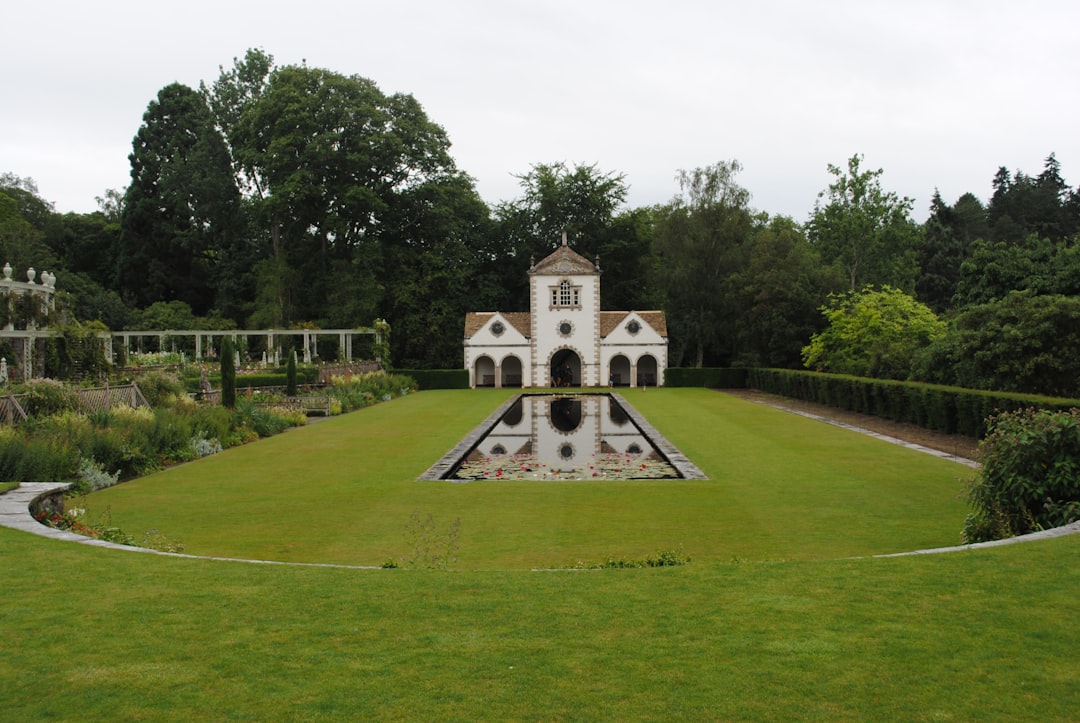
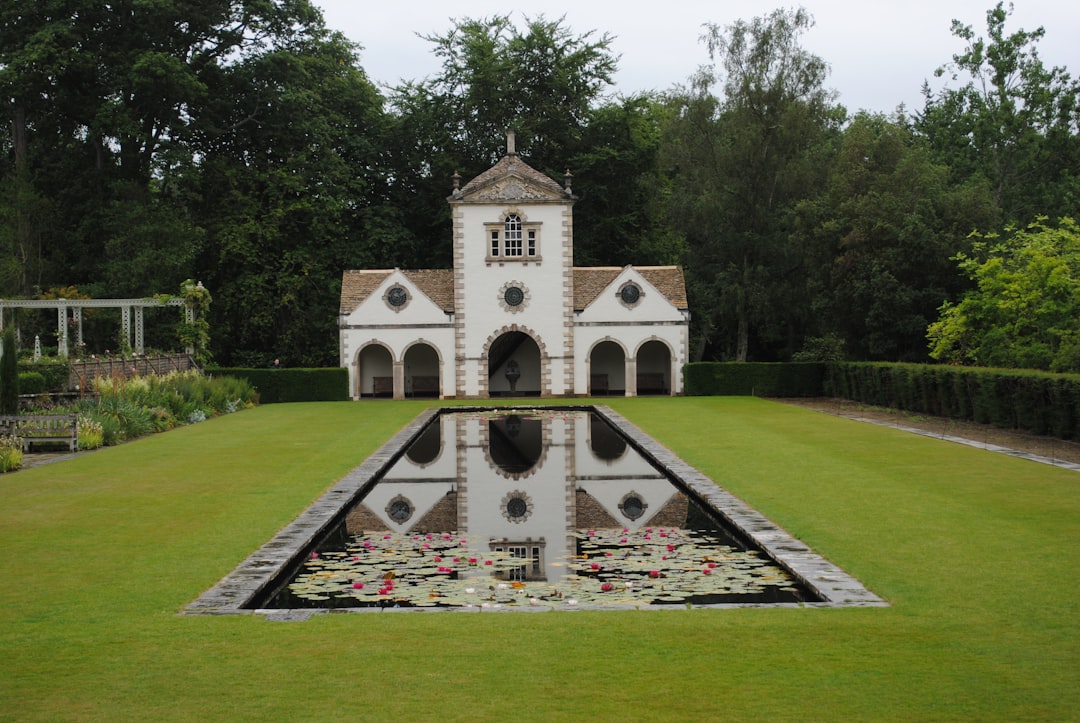
Descending downwards, the garden opens up to a series of formal terraces with water basins, fountains, and geometric hedges that pleasantly contrast with the wilder wooded areas. In the lower part, along the stream, there are large plants — tree ferns, giant gunneras, water irises — that create an almost tropical atmosphere, surprising for the Welsh climate.
Practical tips for the visit
The best time to visit Bodnant Garden depends on what you want to see. For the laburnum tunnel, the middle weeks of May are generally the most reliable, but the blooming can vary by a few weeks depending on seasonal weather conditions. The National Trust regularly updates its website with information on the blooming status, so it's worth checking before you go. During this time, the garden is very busy: arriving at opening time, typically around 10:00 AM, allows you to experience the tunnel with less crowding.
To reach Bodnant Garden by car, take the A470 towards Tal-y-cafn; the garden has ample parking. Those traveling by train can get off at Tal-y-Cafn station on the North Wales coast line and walk to the entrance in about ten minutes. It is advisable to allow at least three hours for a complete visit, especially if you intend to explore both the upper terraces and the lower part along the stream. The entrance fee for non-members of the National Trust is around £15-17 for adults, with reduced rates for children and families.
A garden for all seasons
Although spring is the most celebrated season, Bodnant Garden offers valid reasons for a visit in summer and autumn as well. In summer, the colors become more muted but the garden is lush and green, with roses and perennial plants blooming in the formal areas. In autumn, the woods surrounding the terraces turn orange and red, and the afternoon light creates remarkable photographic effects on the water surfaces.
What makes Bodnant a truly worthwhile place to visit is its ability to be simultaneously a formal garden and a natural space, a place of scientific botanical care and simply a beautiful spot to stroll slowly. The views of Snowdonia that open up between one hedge and another constantly remind you where you are: in the green and rainy heart of Wales, in a place that someone decided, more than one hundred and fifty years ago, to make extraordinary.