The sound that is heard first, even before dawn, is a chorus of cicadas and birds rising from the surface of Lake Temenggor. The dark water reflects the jungle that surrounds it, a rainforest that has existed for over 130 million years — much older than the Amazon forests — and today constitutes the largest contiguous forest block in Peninsular Malaysia. The Belum Rainforest Resort, located on a series of floating barges anchored in the middle of the lake, a few kilometers from Gerik in the state of Perak, is one of the few access points to this almost untouched ecosystem.
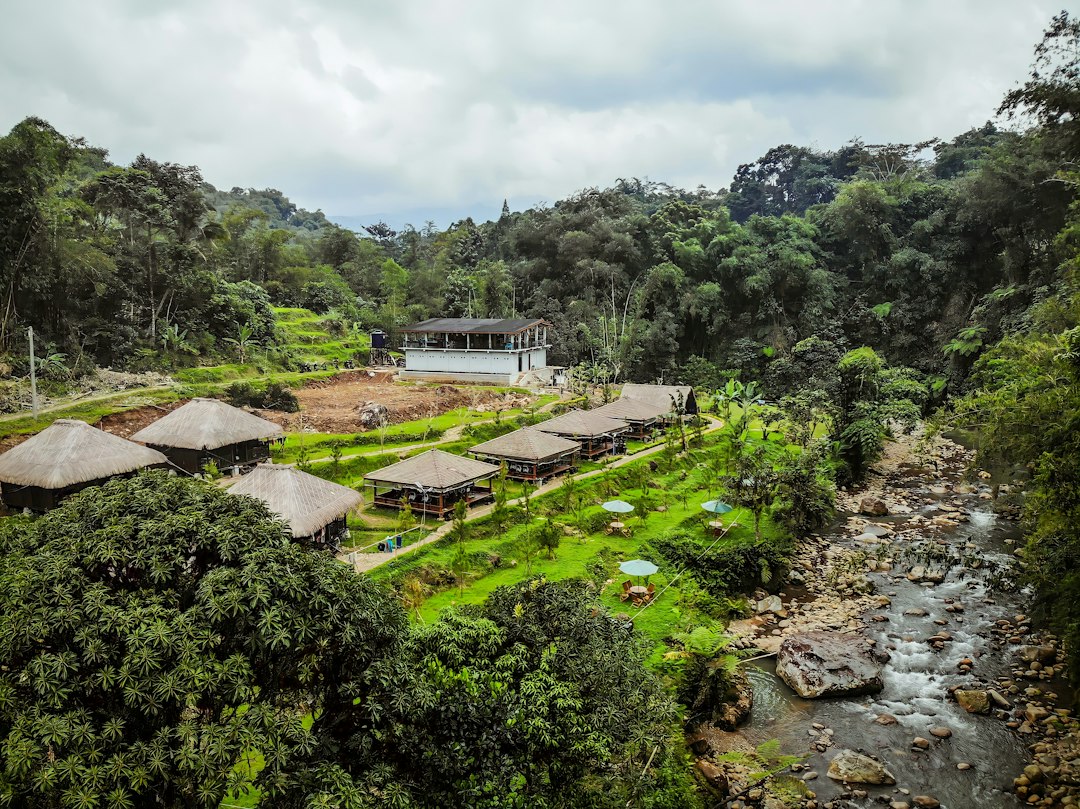
Lake Temenggor is an artificial reservoir created in the 1970s for a hydroelectric power station, but its construction has paradoxically helped to isolate and protect the surrounding forest, making land access difficult. Today, the Royal Belum State Park, which spans approximately 117,500 hectares, is one of the best-preserved natural environments in Southeast Asia. The resort itself is only accessible by boat from the Gerik jetty, a transfer that takes about 45 minutes and already offers the first glimpses of fishing eagles and kingfishers along the banks.
The fauna: tigers, bears, and slow lorises
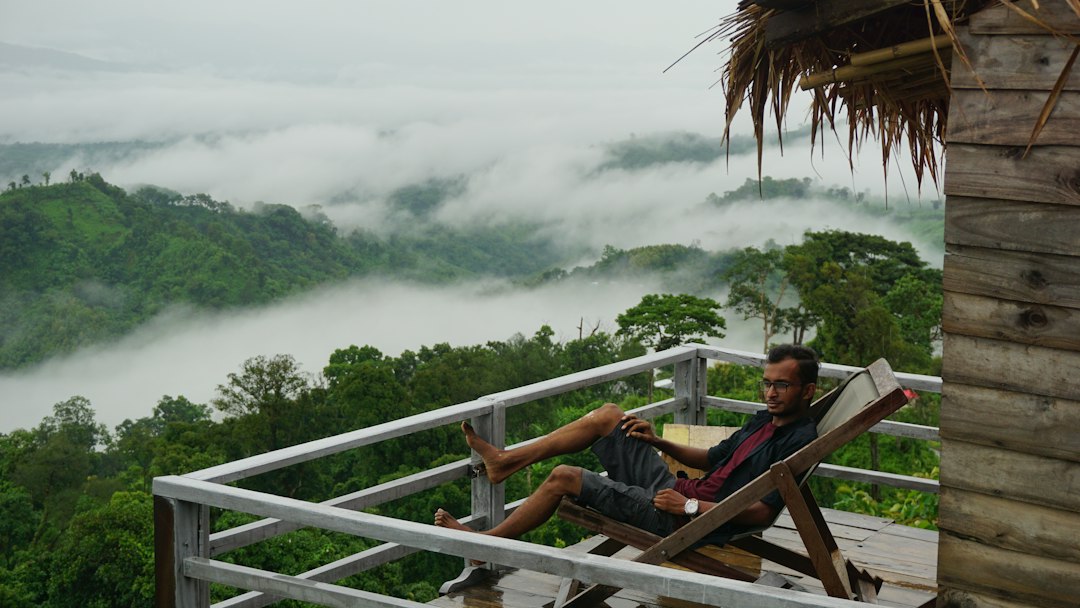
The Royal Belum is home to some of the rarest and most threatened species in Asia. The Malayan tiger (Panthera tigris jacksoni), an endemic subspecies of the peninsula, still lives in these territories, although direct sightings are extremely rare. More concrete are the chances of encountering the sun bear (Helarctos malayanus), the smallest bear in the world, or hearing the unmistakable call of the white-handed gibbon resonating among the treetops at dawn.
The most extraordinary experience that the resort offers is night spotlighting: nighttime boat outings with high-powered flashlights aimed at the wooded shores. This way, it is possible to spot the slow loris (Nycticebus coucang), a nocturnal primate with large reflective eyes, and various types of flying squirrels gliding between the trees. These animals are practically invisible during the day, and the nighttime outing represents the only realistic way to observe them in their natural environment.
The Rafflesia: the largest flower in the world
Among the botanical wonders of the Belum forest is the Rafflesia, the largest parasitic flower in the world, capable of reaching a diameter of almost one meter. The Rafflesia has no visible leaves or stem: it lives entirely within the tissue of the host plant and produces a single flower that blooms for only three or four days before rotting. The smell it emits — similar to decomposing flesh — attracts pollinating flies.
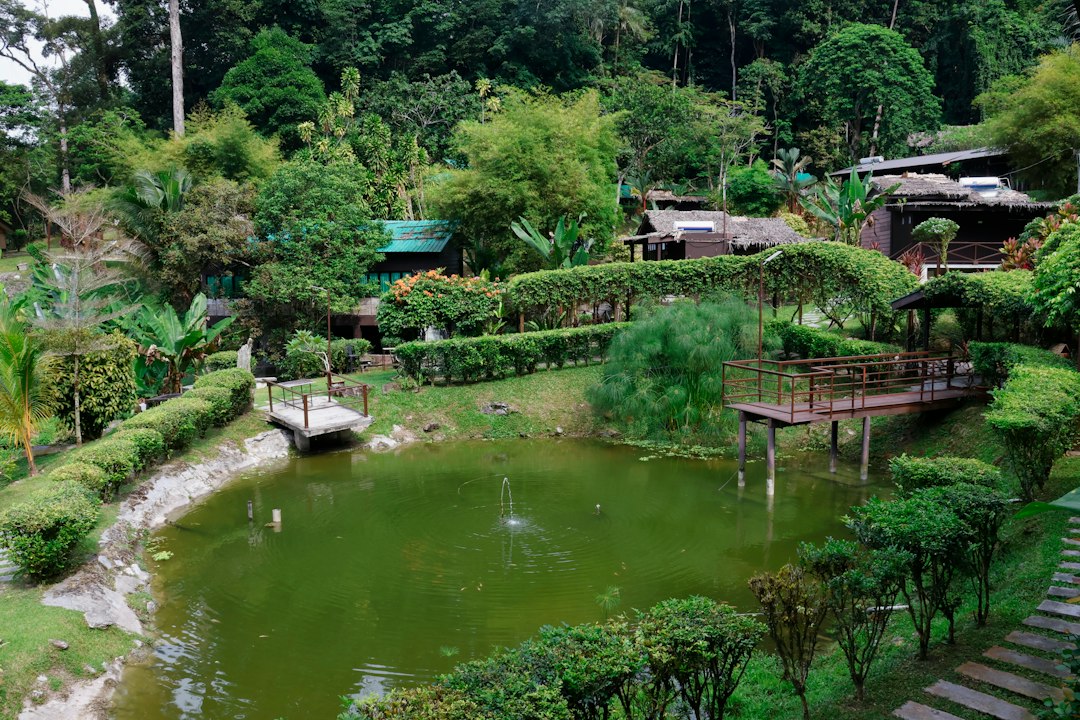
The resort guides constantly monitor the blooming sites within the forest and organize walking excursions to the points where a bud is about to open. It is not guaranteed to find one in bloom during your visit, as blooming is unpredictable, but the resort staff updates tourists daily on the situation. It is still worth walking the forest trails even without finding the Rafflesia: the density of tree ferns, wild orchids, and luminescent fungi makes every walk an intense visual experience.
Living on the lake: the houseboats of the resort
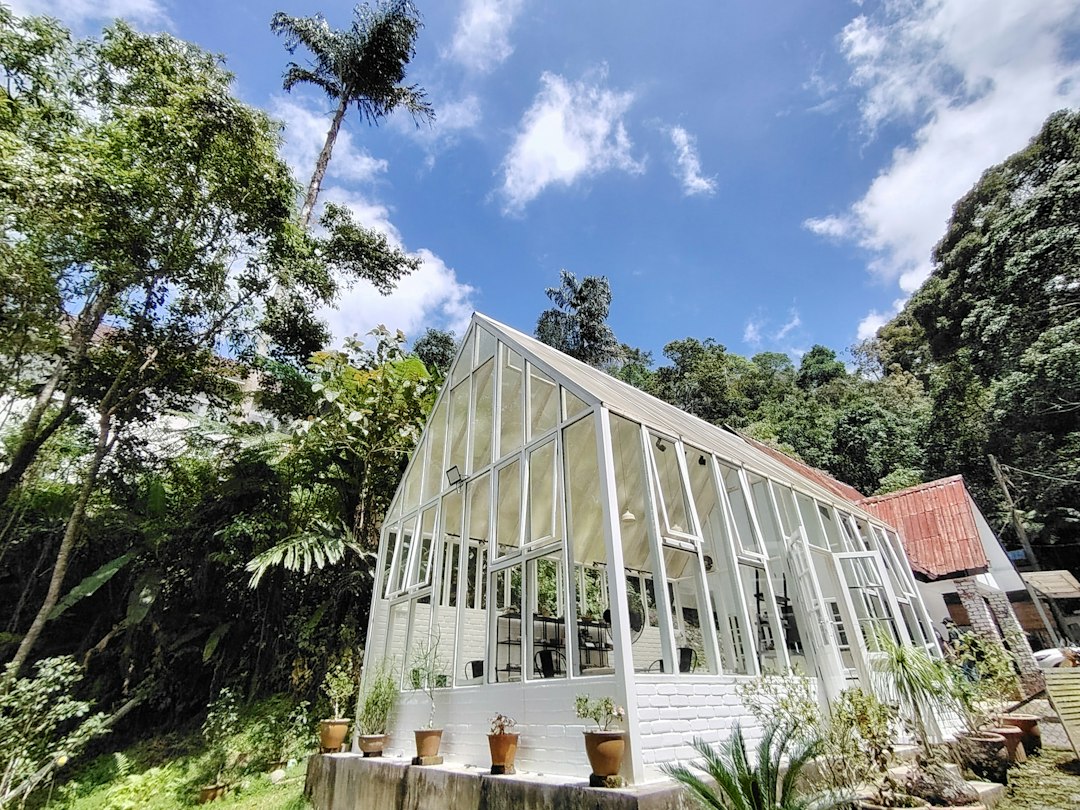
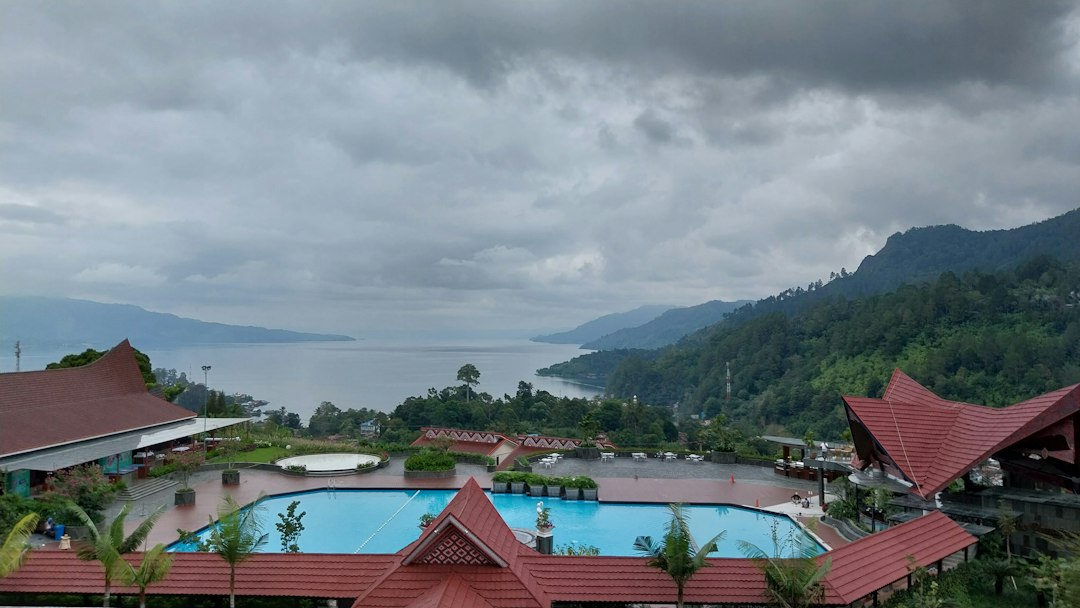
The accommodations at Belum Rainforest Resort are entirely floating: rooms and common areas are located on platforms anchored in the middle of the lake, far from any inhabited center. At night, without light pollution, the sky is dense with stars. Early in the morning, a low fog glides over the water before the sun dissolves it, creating an atmosphere that many guests describe as unreal. Meals are served in a common room overlooking the water, often accompanied by the sight of herons or otters swimming nearby.
Kayaking excursions through the lake's inlets allow for a quiet approach to the shores without disturbing the wildlife. Local guides, often belonging to the indigenous Orang Asli communities of the region, know the trails and animal behaviors with a precision that no tourist guide can replicate.
Practical information for the visit
The resort can be reached from Gerik, a city about 160 kilometers north of Ipoh, accessible by bus or car. From Gerik, a boat transfer takes you to the resort in about 45 minutes. The best time to visit is between February and April, during the dry season, when the forest trails are more passable and wildlife sightings are more frequent. It is advisable to avoid the months of November and December, when monsoon rains can make excursions difficult. The resort requires advance booking, especially for weekends, and generally includes meals and some guided excursions in the price of the stay. Bringing high-concentration DEET insect repellent and waterproof hiking shoes is essential.