
← Back

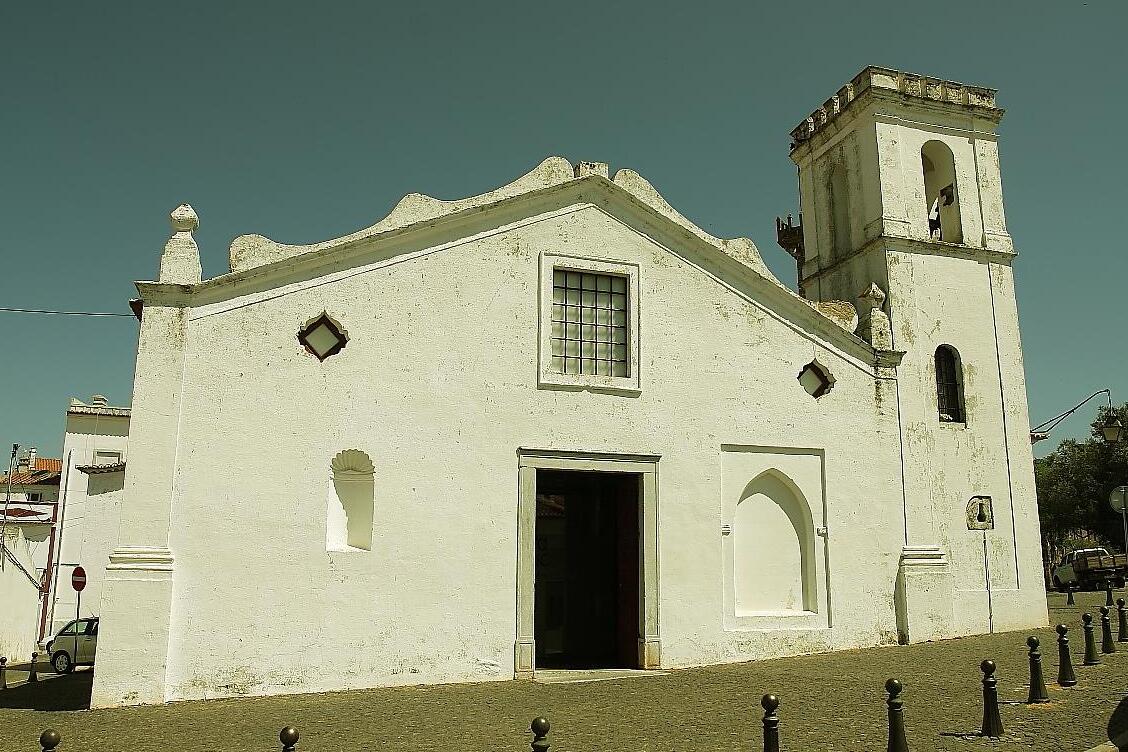
Beja : Igreja de Santo Amaro

7800-276 Beja, Portogallo ★★★★☆ 426 views
Morgane Burton
Beja
🏆 AI Trip Planner 2026

Get the free app

Discover the best of Beja with Secret World — the AI trip planner with 1M+ destinations. Get personalized itineraries, hidden gems and local tips. Free on iOS & Android.

🧠 AI Itineraries 🎒 Trip Toolkit 🎮 KnowWhere Game 🎧 Audio Guides 📹 Videos
Scan to download iOS / Android
Scan for AppGallery Huawei users

About Beja : Igreja de Santo Amaro

Beja : Igreja de Santo Amaro - Beja | Secret World Trip Planner

Nestled in the heart of Beja, the Igreja de Santo Amaro stands as a testament to the region’s rich and diverse history. Founded in the 900s during the time of Moorish control, this ancient church reflects the intricate tapestry of cultural influences that have shaped Portugal over the centuries. Although it now functions as a chapel within a larger structure built in the 1500s, the remnants of its pre-Romanesque art make it a Portuguese National Monument worth exploring.

### History and Origins The foundation of the Igreja de Santo Amaro dates back to a significant period when Beja was under Moorish dominion, specifically in the 10th century. The church’s establishment signifies the early stages of Christian architecture in a region where Islamic culture thrived. Its strategic location in Beja, an important stronghold during the Reconquista, highlights the church’s role as a sanctuary for the Christian community amidst the shifting tides of power.

In the 12th century, following the Christian reconquest, the church underwent various transformations, reflecting the evolving architectural styles and religious practices of the time. The subsequent renovations in the 1500s culminated in the present chapel, yet many elements of the original structure, including the narthex for outsiders and the nave for congregants, remain intact. This layout illustrates the early hierarchical organization within the church, a fascinating glimpse into the past.

### Art and Architecture The Igreja de Santo Amaro is a marvel of pre-Romanesque architecture, characterized by its robust structure and intricate detailing. Visitors will be captivated by the columns adorned with spiral carvings and capitals featuring motifs of plants and animals. One particularly striking detail is the carving of a pair of birds hunting a snake, which art historians believe symbolizes the eternal struggle between good and evil.

The church’s artistic significance extends beyond its carvings; it also houses various religious artifacts and artworks that reflect the spiritual and cultural life of the community through the ages. The interplay of light within the chapel, combined with the historical artistry, creates a serene atmosphere, inviting contemplation and reverence.

### Local Culture and Traditions Beja, known for its deep-rooted traditions, celebrates various local festivals that honor its rich heritage. One of the most notable is the Festa de São Marcos, held in April, which includes processions, music, and traditional dances that echo the region's history. During this time, the Igreja de Santo Amaro often serves as a focal point for community gatherings and religious observances.

Additionally, the church is a site for various local customs, including intimate religious ceremonies and cultural events that strengthen community bonds. Engaging with locals during these festivities offers a unique insight into the traditions that have persisted through generations.

### Gastronomy A visit to Beja wouldn’t be complete without indulging in its gastronomy. The region is renowned for its Alentejo cuisine, characterized by hearty flavors and rustic ingredients. Local dishes such as Açorda Alentejana, a bread and garlic soup, and Carne de Porco à Alentejana, pork stewed with clams, showcase the culinary heritage that thrives here. Pair your meal with a glass of Alentejo wine, known for its robust flavors and rich aromas, to truly savor the local experience.

### Lesser-Known Curiosities One intriguing aspect of the Igreja de Santo Amaro is its historical significance beyond its architecture. Few visitors are aware that the church served as a refuge during times of conflict, particularly during the Portuguese Civil War in the 19th century. This sanctuary status not only protected the local populace but also preserved the church’s artifacts and artworks, many of which remain today.

Additionally, the church’s unique design, with its distinct narthex and nave, is a rare example of architectural evolution in response to both cultural and religious shifts throughout the centuries. This layered history is often overlooked but speaks volumes about the resilience of the community.

### Practical Visitor Information The best time to visit the Igreja de Santo Amaro is during the spring and autumn months when the weather is mild, and the local festivals are in full swing. Make sure to allocate enough time to explore both the church and the surrounding Beja Regional Museum, which houses more artifacts and exhibits related to the region’s history.

When visiting, pay close attention to the intricate details of the carvings and the layout of the church. A guided tour can enrich your understanding of the site, revealing stories that might not be immediately apparent. Don’t forget to engage with local residents, who can provide further insights and anecdotes about the church and its role in the community.

In conclusion, the Igreja de Santo Amaro is more than just a historical site; it is a living monument to Beja’s evolving identity, reflecting centuries of cultural interplay and artistic expression. To plan your visit to this remarkable location, consider using the Secret World app for a personalized AI itinerary tailored to your interests.

🗺 L'app dei tesori italiani

Plan your visit to Beja

Suggested itinerary near Beja : Igreja de Santo Amaro

MAJ+
500.000+ travelers worldwide
  1. 🌅
    Morning
    Beja : Igreja de Santo Amaro
    📍 Beja
  2. ☀️
    Afternoon
    Old defensive castle tower in Beja, Portugal
    📍 0.1 km · Beja
  3. 🌆
    Evening
    Museu Episcopal de Beja
    📍 0.2 km · Beja

Buy Unique Travel Experiences

Powered by Viator

See more on Viator.com

Explore nearby · Beja