A colored stone pavement depicts Ulysses tied to the mast of his ship, the sailors with their ears blocked, the sirens singing. The Mosaic of Ulysses at the National Museum of Bardo is one of the masterpieces of ancient Roman art preserved in North Africa, and seeing it in person — with its intricate details, the colors still vivid after eighteen centuries — is an experience that puts any photographic reproduction into perspective. This museum, housed in a 19th-century palace on the western outskirts of Tunis, holds one of the most complete and best-preserved collections of Roman mosaics in the world.
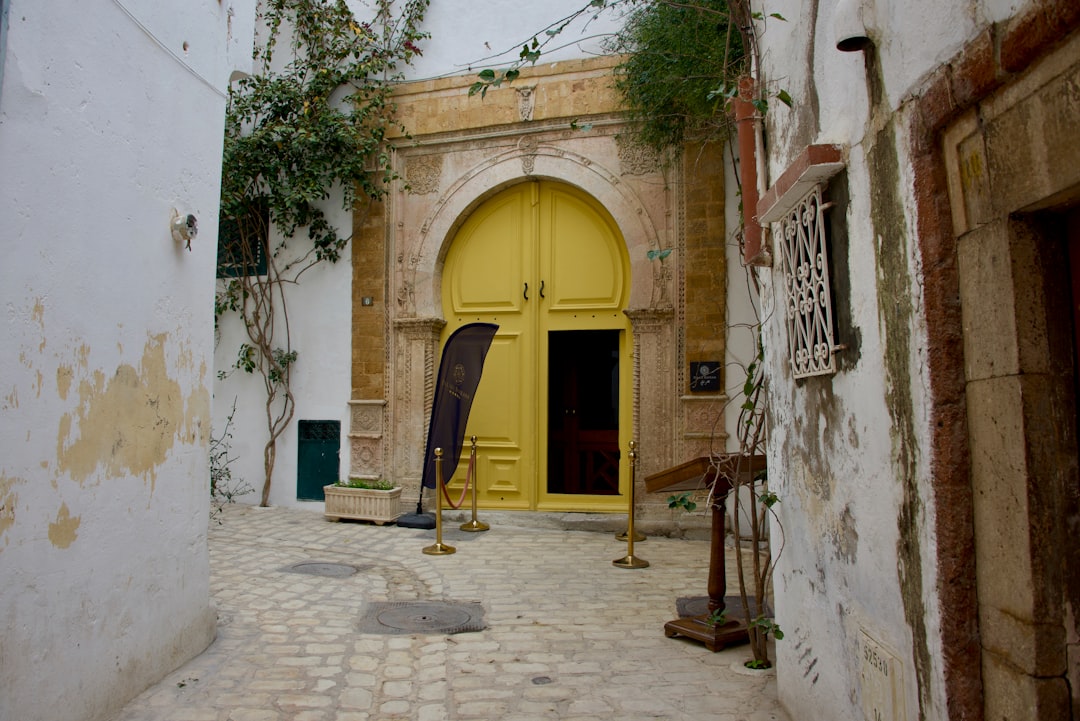
The palace that houses the museum was originally a beylical residence, built during the 19th century as the home of the husseinite rulers of Tunisia. After Tunisian independence in 1956, the building was transformed into a national museum, preserving much of the original interiors: stalactite ceilings, zellige tiles, decorated arches that create a fascinating visual contrast with the Roman mosaics displayed in the halls. This dialogue between Arab-Andalusian architecture and ancient Roman art is one of the most characteristic elements of the experience at Bardo.
The Collection of Roman Mosaics

The main core of the museum consists of mosaics from Roman sites scattered throughout Tunisian territory: Carthage, Thuburbo Majus, El Jem, Bulla Regia and many others. The pieces cover a chronological span from the 2nd to the 6th century AD and represent mythological scenes, portraits, marine landscapes, hunts, banquets, and allegories of the seasons. The variety of subjects and the technical quality of the tesserae — some just a few millimeters in size — demonstrate how advanced mosaic manufacturing was in Roman Africa.
Among the most famous pieces, in addition to the Mosaic of Ulysses from Dougga, stands out the Portrait of Virgil, a 3rd-century AD mosaic depicting the Latin poet seated between the Muses Clio and Melpomene, holding a scroll of the Aeneid. It is one of the very few ancient portraits of the poet, and its presence at the Bardo makes it a must-see for anyone interested in Latin literature or ancient iconography. The mosaic comes from Sousse and measures about one and a half meters by one meter and twenty.

The other sections of the museum
The museum is not limited to Roman mosaics. An important section is dedicated to Punic antiquities, with objects from Carthage and other Phoenician-Punic sites in Tunisia: votive stelae, funerary masks, ceramics, and jewelry. Another section collects medieval Islamic artifacts, including ceramics, manuscripts, and worked metal objects. There is also a collection of Roman marble sculptures, including busts of emperors and deities, and a section dedicated to underwater finds recovered in the Mediterranean.

It is worth spending time in the rooms dedicated to late antique and early Christian mosaics, which are often less crowded than the main galleries. Here you can find mosaic floors from North African Christian basilicas of the 4th and 5th centuries, with geometric decorations and inscriptions in Latin that document the spread of Christianity in the region before the Arab conquest.
How to visit the museum

The Bardo Museum is located about 4 kilometers from the center of Tunis, reachable by the light metro (metro léger), line 4, getting off at the Le Bardo stop. The journey from the center takes about 15-20 minutes and is the most convenient way to avoid traffic. By taxi, the ride from the historic center generally costs a few Tunisian dinars and takes about ten minutes outside of peak hours.
The entrance ticket price is affordable by European standards — historically around 10-12 Tunisian dinars for foreign visitors, with reductions for students — but it is advisable to check the updated rates on the official website before the visit, as they may vary. The best time to visit is early in the morning, just after opening, when the halls are still quiet and natural light enters through the windows illuminating the mosaics optimally. Allowing at least three hours for a complete visit is realistic; those who want to delve into each section can easily take five or six. The visit to the Bardo pairs well with a stroll in the Medina of Tunis in the afternoon, as the two destinations are well connected.
What to know before you go
The museum has been closed for renovations at various times in recent years, so it is wise to check that it is regularly open before planning your visit. The building is large and the corridors are numerous: a map at the entrance — usually available for free or at a low cost — helps to navigate and not miss the secondary rooms, often the most interesting precisely because they are less crowded. Photography is generally allowed without flash in the main rooms, but it is good to ask staff for confirmation in specific areas. Wearing comfortable shoes is essential: the marble and stone floors of the rooms are beautiful but slippery, and the distances to cover are considerable.