← Back

Baklava, the dessert of the gods

Çarşı, Türk Kuyusu Cd. No:61, 48400 Bodrum/Muğla, Turchia ★★★★☆ 146 views
Daniela Miller
Türk Kuyusu Cd. No:61
🏆 AI Trip Planner 2026

Get the free app

Discover the best of Türk Kuyusu Cd. No:61 with Secret World — the AI trip planner with 1M+ destinations. Get personalized itineraries, hidden gems and local tips. Free on iOS & Android.

🧠 AI Itineraries 🎒 Trip Toolkit 🎮 KnowWhere Game 🎧 Audio Guides 📹 Videos
Scan to download iOS / Android
Scan for AppGallery Huawei users

About Baklava, the dessert of the gods

Baklava, the dessert of the gods - Türk Kuyusu Cd. No:61 | Secret World Trip Planner

Baklava is a dessert made from phyllo dough, nuts and honey that is traditionally prepared in many parts of the Middle East and the Mediterranean. In Turkey, Baklava is a popular specialty and is eaten on special occasions such as weddings, holidays and ceremonies.The origins of Baklava are uncertain, but it is believed that the dessert has roots in ancient Greece and was brought to Turkey by peoples who settled in the region over the centuries. Baklava was later adapted and perfected by the Turks and today it is a popular dish throughout the country.There are many variations of Baklava, which vary according to regions and culinary traditions. For example, in some parts of Turkey, Baklava is prepared with pistachios, while in other regions it is prepared with pecans or almonds. In some variants, the phyllo dough is folded back on itself to create layers of crisp pastry, while in other variants it is cut into triangles or squares.Baklava is a delicious dessert that is usually served as a dessert or an afternoon snack. The combination of crisp pastry, sweet nuts and honey creates a unique and delicious flavor, making it a popular dessert all over the world. I hope you can enjoy Baklava on your next trip to Bodrum or another part of Turkey and discover its delicious culinary tradition.
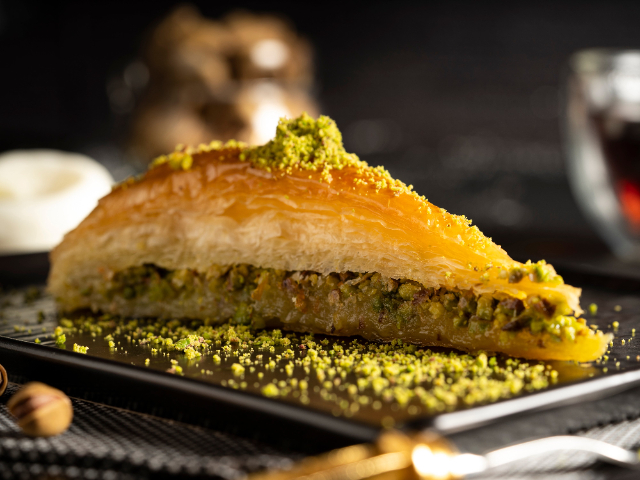

Baklava, the dessert of the gods - Türk Kuyusu Cd. No:61 | Secret World Trip Planner
🗺 L'app dei tesori italiani

Plan your visit to Türk Kuyusu Cd. No:61

Suggested itinerary near Baklava, the dessert of the gods

MAJ+
500.000+ travelers worldwide
  1. 🌅
    Morning
    Baklava, the dessert of the gods
    📍 Türk Kuyusu Cd. No:61
  2. ☀️
    Afternoon
    Cape Louros: A Paradise Corner in Greece
    📍 18.3 km · Türk Kuyusu Cd. No:61

Buy Unique Travel Experiences

Powered by Viator

See more on Viator.com

Explore nearby · Türk Kuyusu Cd. No:61

Frequently Asked Questions

Baklava is traditionally eaten during special occasions such as weddings, holidays, and ceremonies throughout Turkey, making these festive seasons ideal times to experience it authentically. However, you can enjoy freshly made Baklava year-round in Turkish bakeries and restaurants, with many locals and visitors particularly enjoying it as an afternoon snack in Bodrum and other Mediterranean coastal towns.
Baklava varies significantly across Turkish regions depending on local culinary traditions and available ingredients. Some areas prepare it with pistachios, while others use pecans or almonds, and the phyllo dough can be folded into crispy layers or cut into triangles and squares, each method creating its own unique texture and flavor profile.
Although Baklava's origins are uncertain, it is believed to have roots in ancient Greece and was brought to Turkey by peoples who settled in the region over centuries. The Turks later adapted and perfected the dessert, transforming it into the beloved specialty that is now popular throughout the country and the Mediterranean.
Baklava's unique combination of crisp phyllo pastry, sweet nuts, and honey creates an unforgettable flavor that represents Turkey's rich culinary tradition. Visiting Bodrum or other parts of Turkey offers the perfect opportunity to experience authentic Baklava as either a dessert or afternoon snack, discovering firsthand why it's beloved worldwide.
Traditional Baklava is made by layering crisp phyllo dough with nuts and honey, with the phyllo either folded to create layers or cut into triangles and squares depending on regional preferences. It is typically served as a dessert or afternoon snack, and the delicious combination of textures and flavors makes it a popular treat across Turkish culinary traditions.