





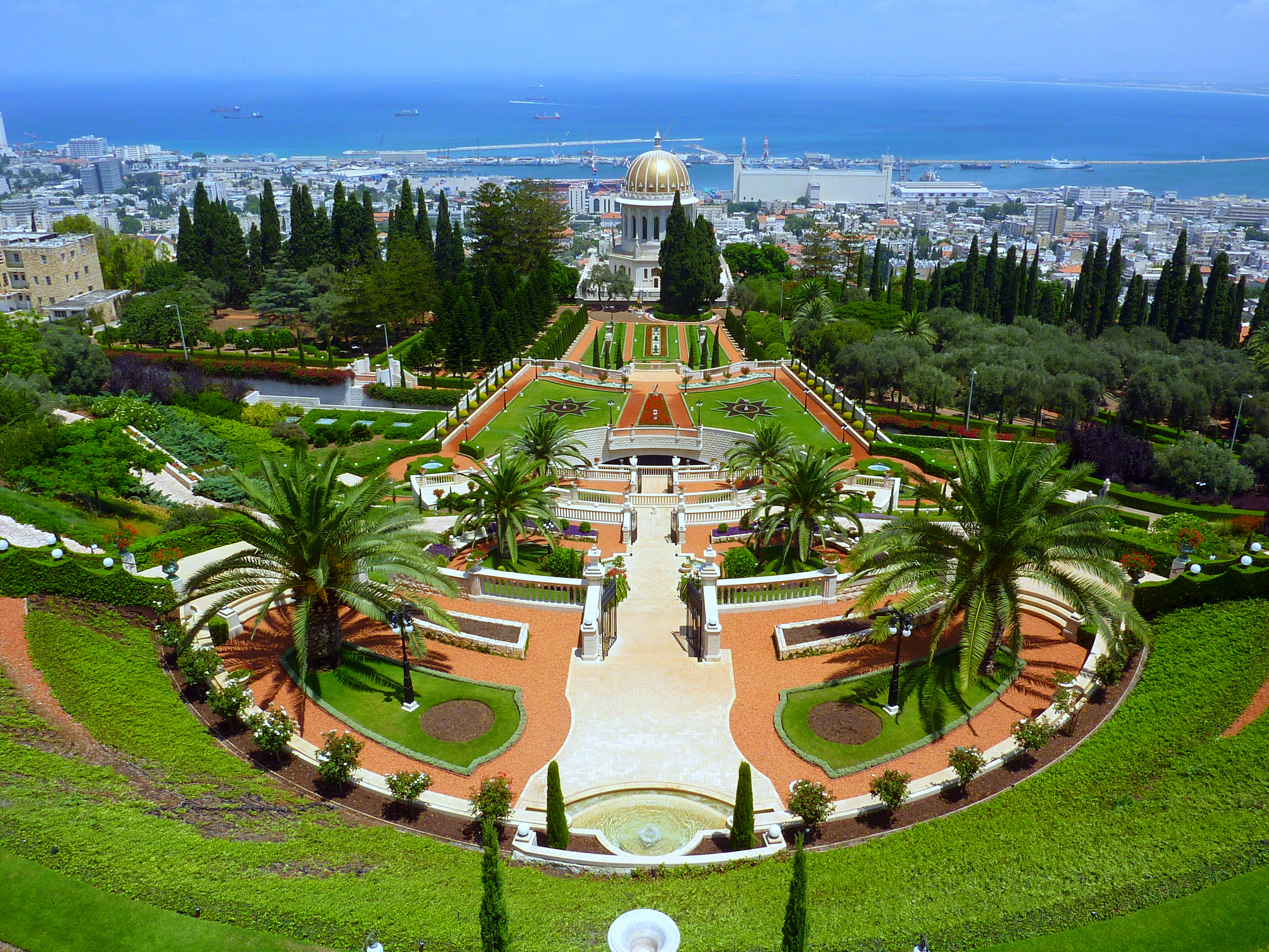
Perched on the slopes of Mount Carmel in Haifa, the Bahá’í Gardens—often referred to as the Hanging Gardens of Haifa—are a breathtaking testament to both faith and artistry. These stunning terraced gardens, sacred to the followers of the Bahá’í Faith, extend beautifully around the Shrine of the Báb, a prominent landmark in this spiritual movement founded in the mid-19th century. Their creation is not just a feat of engineering but also a deeply symbolic act of devotion, reflecting the principles of peace and unity that the Bahá’í Faith espouses. Since their public opening in June 2001, they have captivated millions with their serene beauty and spiritual significance.
### History and Origins The Bahá’í Gardens trace their roots back to the Bahá’í Faith, a religion founded in 1863 by Bahá'u'lláh, who is regarded as the latest in a line of prophets that includes Moses, Jesus, and Muhammad. The faith emphasizes the oneness of humanity, the equality of all peoples, and the importance of world peace. The gardens themselves are built around the Shrine of the Báb, the second holiest site in the Bahá’í Faith, which houses the remains of Siyyid `Ali Muhammad Shirazi, known as the Báb, a central figure in the faith's establishment. The gardens symbolize the spiritual and material unity of humanity, a core tenet of Bahá’í teachings. Architect Fariborz Sahba was commissioned to design the gardens in 1987, and since then, they have become a central pilgrimage site for Bahá’ís from around the world.
### Art and Architecture The gardens are a remarkable example of Persian and Mediterranean landscaping, featuring 19 terraced levels that cascade down the hillside. Each terrace is adorned with meticulously manicured flower beds, vibrant shrubs, and serene pathways, all designed to create a sense of tranquility and beauty. The gardens' architectural style integrates classical and modern elements, highlighted by the striking golden dome of the Shrine of the Báb, which gleams under the Israeli sun. Visitors can wander through the lush gardens, which are punctuated by fountains, statues, and intricate mosaics that convey spiritual themes and reflect the Bahá’í commitment to beauty and harmony.
### Local Culture and Traditions The Bahá’í Gardens are not only a place of beauty but also a hub of cultural significance. The gardens host various Bahá’í events and observances, including the Twin Holy Days, which commemorate the births of the Báb and Bahá'u'lláh. During these occasions, the gardens are filled with pilgrims and visitors who come to celebrate the teachings of the faith. Additionally, the gardens' serene environment encourages reflection and meditation, making it a cultural symbol of peace and community for both Bahá’ís and the wider public.
### Gastronomy While the gardens themselves do not have dining facilities, Haifa offers a vibrant culinary scene that reflects the city's diverse cultural heritage. Local dishes such as Hummus, Shawarma, and Falafel are ubiquitous, and visitors can also indulge in traditional Israeli breakfasts featuring fresh vegetables, cheeses, and bread. The nearby Carmel Market is an excellent place to sample local delicacies, including baklava and knafeh, a sweet cheese pastry soaked in syrup. Pair your meal with a refreshing glass of mint lemonade, a popular drink among locals.
### Lesser-Known Curiosities One fascinating aspect of the Bahá’í Gardens is that they were designed to symbolize the concept of spiritual ascent. Each terrace represents a step towards enlightenment, with the highest level signifying closeness to the divine. Moreover, the gardens are meticulously maintained by a dedicated team, and there's a little-known fact that over 400 species of plants are cultivated here, carefully selected for their beauty and spiritual symbolism. The gardens are also home to a variety of bird species, making it a peaceful retreat for nature enthusiasts.
### Practical Visitor Information The Bahá’í Gardens are open to the public, with free admission, but it’s advisable to visit during the cooler months from October to April to fully enjoy the experience. Guided tours are available, offering insights into the gardens' history and significance. Visitors should dress modestly, as the site is sacred to many. Don’t miss the opportunity to explore the upper terraces for stunning panoramic views of Haifa Bay and the surrounding landscape. The best times to visit are early morning or late afternoon, when the sunlight casts a golden glow over the gardens.
Whether you are seeking spiritual enlightenment, a connection to nature, or simply a stunning view, the Bahá’í Gardens offer a unique experience that resonates with visitors of all backgrounds.
As you plan your visit to Haifa, consider using the Secret World app to craft a personalized itinerary that fits your interests.