




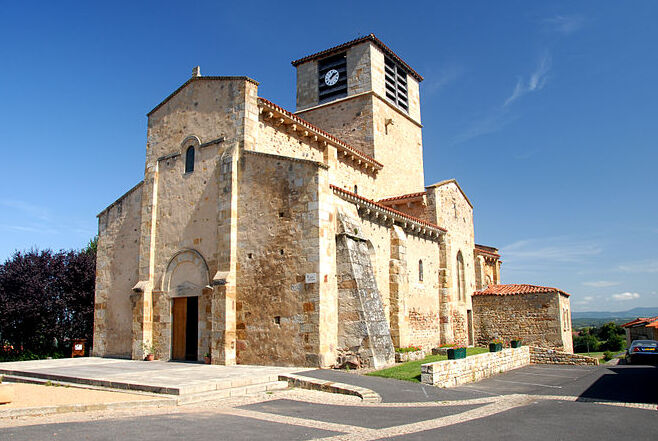
Nestled in the heart of Auvergne, the Eglise Saint-Jean in Glaine-Montaigut is a hidden gem that offers a captivating glimpse into the region's rich history and artistic legacy. While this small village is just a thirty-minute drive from Clermont-Ferrand, it feels worlds apart, steeped in tranquility and the whispers of centuries past.

History and Origins
The roots of Eglise Saint-Jean stretch back to the 12th century, a time when the Romanesque style flourished across Europe. Originally constructed to serve the spiritual needs of the burgeoning community, the church stands as a testament to the architectural innovation of its era. Despite not being among the five major churches of Auvergne, it has a significant place in local history.

Throughout the centuries, the church has witnessed various historical events, including the tumultuous periods of the Hundred Years' War and the French Revolution. Its survival through these challenges speaks to the resilience of both the building and the community that cherishes it. In the 1990s, a meticulous restoration project breathed new life into the church, ensuring that its historical significance would endure for future generations.
Art and Architecture
Eglise Saint-Jean is a striking example of Romanesque architecture, characterized by its warm sandstone exterior that beautifully reflects the natural landscape. The use of subtly different shades of sandstone adds depth and texture, inviting visitors to explore its intricacies.
Stepping inside, the true wonder unfolds. The interior is adorned with geometric designs in navy and ochre that radiate from the arches, creating a stunning visual symphony. The squat figures representing Atlas lend an otherworldly quality to the atmosphere, as if the very structure of the church is held aloft by mythological strength.
The church is also home to an impressive array of mythical figures. Centaurs, griffins, and even monkeys peek out from columns and sculpted reliefs, offering a whimsical touch that contrasts with the solemnity typically associated with religious buildings. Among the most cherished artworks are the frescoes of a throned Christ, dating back to the 1200s, which continue to inspire awe with their vivid colors and spiritual gravitas.
Local Culture and Traditions
The culture of Glaine-Montaigut is deeply intertwined with its historical context. The village hosts several local festivals throughout the year, celebrating traditional crafts, local music, and gastronomy. One notable event is the Fête de la Saint-Jean, which takes place in late June, coinciding with the church’s namesake. This lively festival brings together the community for music, dancing, and the feast of local delicacies, fostering a sense of belonging and heritage.
The customs surrounding the church and its celebrations reflect the enduring importance of faith in the lives of the villagers. Local artisans often showcase their crafts during these festivals, keeping traditional skills alive while engaging younger generations.
Gastronomy
No visit to Glaine-Montaigut would be complete without indulging in the local gastronomy. The Auvergne region is renowned for its hearty dishes, and the village offers a taste of its agricultural bounty. One must-try dish is Truffade, a comforting blend of potatoes and Tomme cheese, which exemplifies the region's rustic culinary style.
Local wines, particularly those produced in the Côtes d'Auvergne appellation, provide a perfect pairing for the rich flavors of the cuisine. The village also celebrates its culinary heritage during the Fête de la Gastronomie, where local chefs showcase traditional recipes and innovative dishes.
Lesser-Known Curiosities
While many visitors may focus on the prominent churches of Auvergne, Eglise Saint-Jean holds its own secrets. One curiosity lies in its architectural details; the playful carvings of mythical creatures on its columns have been the subject of scholarly study, revealing insights into medieval symbolism and the cultural exchanges of the time.
Additionally, the church's unique acoustics have made it a favored spot for small concerts and choral performances, allowing visitors to experience not just the visual beauty but also the auditory splendor of this historic space.
Practical Visitor Information
For those planning a visit, the best time to explore Eglise Saint-Jean is during the warmer months, from late spring to early autumn, when the surrounding countryside is in full bloom. The church is typically open to visitors, but it is advisable to check local schedules or visit during festival times for a more vibrant experience.
When visiting, take a moment to look for the intricate carvings and the stunning frescoes, as well as to absorb the serene atmosphere that envelops this sacred space. Engaging with the local community will enrich your experience, revealing the heart and soul of Glaine-Montaigut.
As you plan your journey to discover the charm of Glaine-Montaigut, consider using the Secret World app for a personalized itinerary that captures the essence of this enchanting village.