




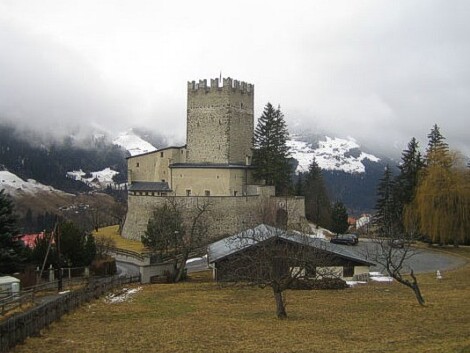
Nestled in the picturesque village of Fließ, Austria, Bidenegg Castle stands as a silent sentinel of history, echoing tales from its storied past. First documented in 1339 AD, this majestic fortress offers a remarkable glimpse into the medieval world. Its journey through time began when it was first mentioned in records, a fortification that would witness the tides of history sweeping through the Tyrolean region.
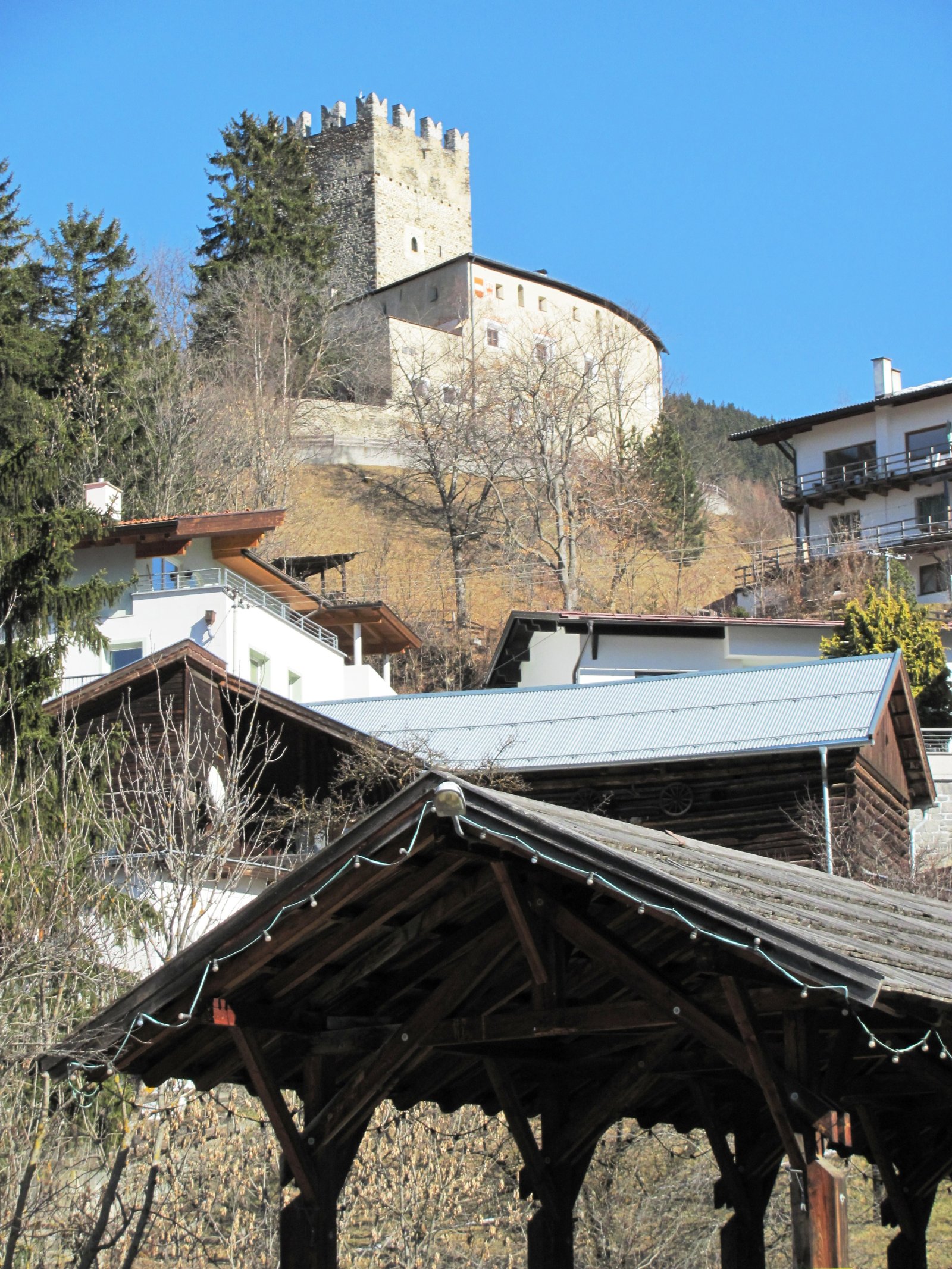
In 1546, Hans Trautson, a significant figure of his era, acquired the castle, marking the beginning of a transformative phase. Under his ownership, the complex underwent a substantial reconstruction in the 16th century, a period that breathed new life into the castle's architecture. The structure we see today largely retains this Renaissance-era design, characterized by its robust stone walls and imposing towers. This architectural style reflects the defensive needs of its time, yet it also incorporates the aesthetic elegance of the Renaissance, blending functionality with artistry.
Walking through Bidenegg Castle is akin to stepping back into the pages of history. Its architectural style is a testament to the craftsmanship of the era, showcasing features such as pointed arch windows and intricately carved stonework. Inside, visitors might find traces of frescoes and woodwork that highlight the artistic endeavors of the past. Though not heavily adorned with famous artworks, the castle’s understated beauty lies in its structural integrity and the subtle details that whisper stories of bygone centuries.
Beyond its stone walls, the village of Fließ is a treasure trove of local culture and traditions. The region is known for its vibrant festivals, such as the annual Fließer Kirchtag, a traditional church festival that brings the community together in a celebration of music, dance, and local customs. This festival offers a perfect opportunity for visitors to immerse themselves in the cultural tapestry of Tyrol, witnessing firsthand the community's deep-rooted traditions and warm hospitality.
No visit to Fließ would be complete without indulging in the local gastronomy. Austrian cuisine in this region is hearty and flavorful, with dishes that reflect the area’s agricultural heritage. Visitors can savor Tiroler Gröstl, a rustic dish made from potatoes, onions, and leftover meats, often topped with a fried egg. Another local specialty is Kaiserschmarrn, a fluffy shredded pancake, perfect for those with a sweet tooth. Pair these dishes with a glass of Austrian wine or a locally brewed beer for an authentic culinary experience.
While Bidenegg Castle and the village of Fließ are filled with historical and cultural riches, there are lesser-known curiosities that await the discerning traveler. Legend has it that hidden within the castle's walls lies a secret passageway, once used as an escape route during times of siege. Though its existence remains a mystery, the story adds a layer of intrigue to the castle’s aura.
As for practical tips, the best time to visit is during the spring or early autumn when the weather is mild, and the surrounding landscape bursts with color. While exploring the castle, take note of the panoramic views of the Ötztal Alps, a breathtaking backdrop that enhances the castle's grandeur. Visitors should wear comfortable shoes, as the terrain can be uneven, especially in the castle's older sections.
In conclusion, Bidenegg Castle in Fließ is more than just a historical monument; it is a gateway to the past, offering insights into the architectural, cultural, and culinary heritage of the Tyrolean region. Whether you are a history enthusiast, an architecture aficionado, or a cultural explorer, this hidden gem in the heart of Austria beckons with stories waiting to be uncovered.