
🎄 Win a month in Italy for two — €10,000 · The Secret Italy Prize GO →
Augustus Arch — Fano
← Back
Historical Sites 📍 Fano, Italy 152 views

Augustus Arch

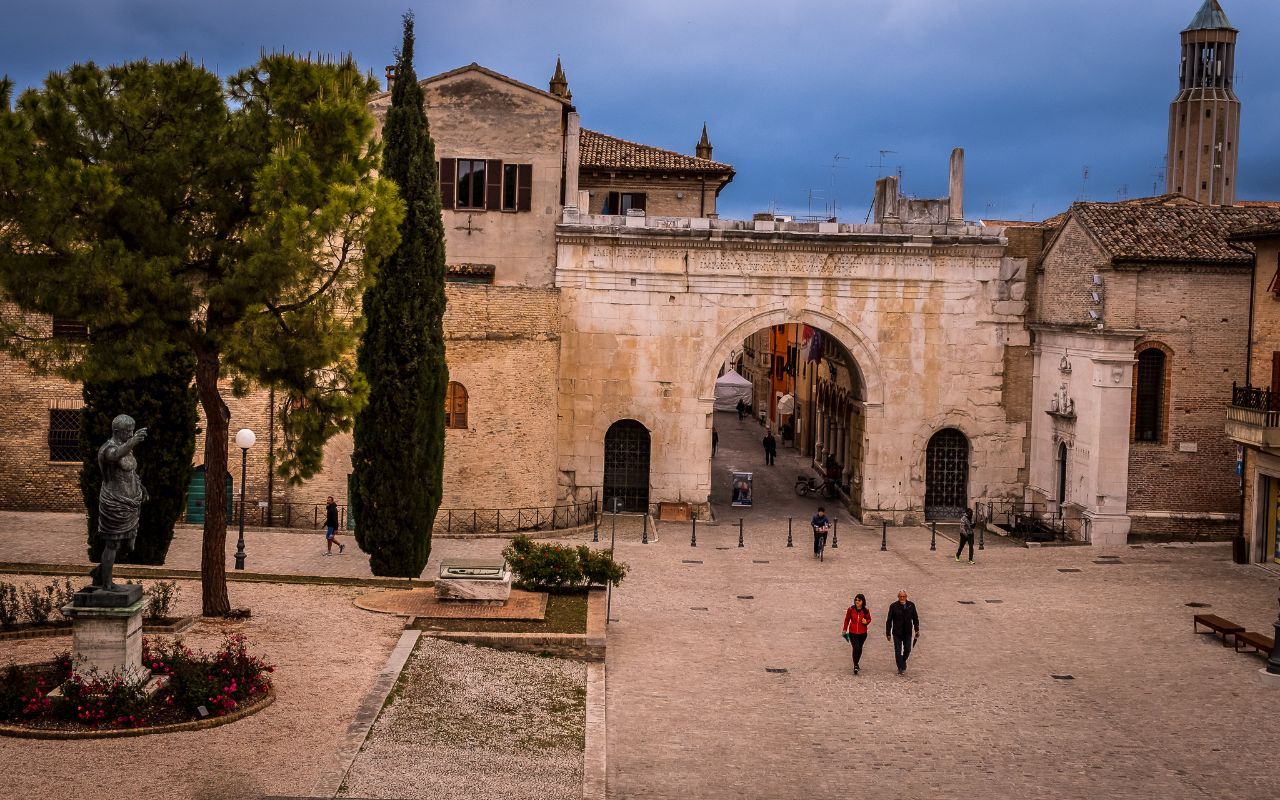
Always a symbol of the city of Fano, it was in Roman times the main gateway to the Colonia Julia Fanestris, deducted by the Emperor Augustus on the site of a settlement developed around the republican Fanum Fortunae (temple dedicated to the Goddess Fortuna). Built at the point wh...

Photo · Jane B.

Augustus Arch — Fano, Italy.

Location
Fano
Type
Historical Sites
Opening hours
Weather now
↗ Directions

About Augustus Arch

Augustus Arch - Fano | Secret World Trip Planner

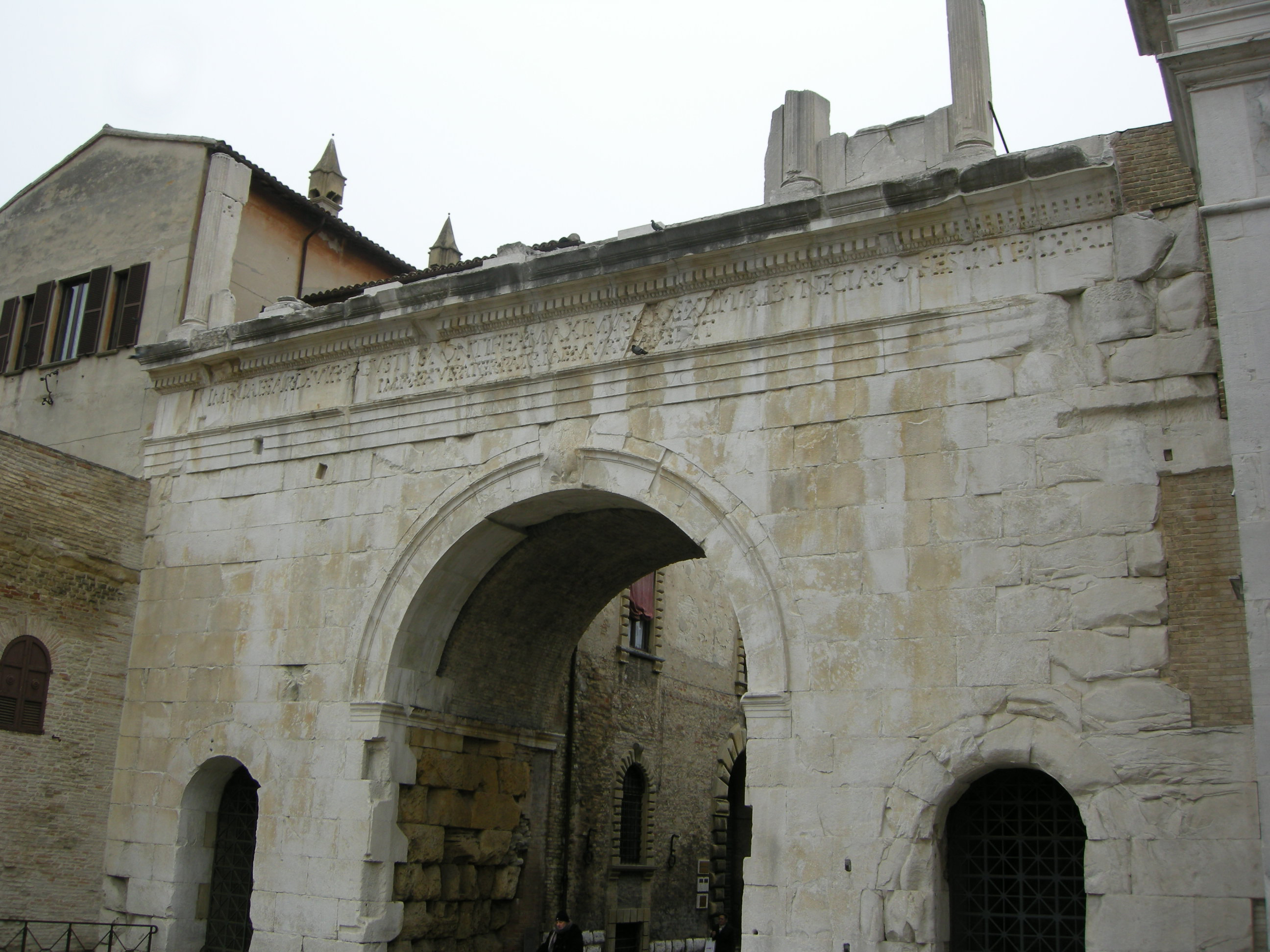
Always a symbol of the city of Fano, it was in Roman times the main gateway to the Colonia Julia Fanestris, deducted by the Emperor Augustus on the site of a settlement developed around the republican Fanum Fortunae (temple dedicated to the Goddess Fortuna). Built at the point where the Via Flaminia joins the city's Decumanus Maximus, the monument dates, via the frieze inscription, to 9 AD. Made externally of squared blocks of Istrian stone, the Porta is divided into two minor side fornixes and a major central fornix: the keystone of the latter is decorated with a representation of an animal that is no longer recognizable. The stones from the attic, demolished by the Duke of Urbino Federico da Montefeltro in 1463, were reused in the construction of the adjacent church of San Michele.

Augustus Arch - Fano | Secret World Trip Planner
✦ Secret World · suggested day

A perfect day in Fano

Start with Augustus Arch, then continue with nearby places selected by Secret World.

  1. 01
    Morning
    Augustus Arch
    📍 Fano
    Start here
  2. 02
    Afternoon
    📍 11 km away
  3. 03
    Evening
    📍 11 km away

Collect this place

Turn places you discover into stamps in your Secret Passport.

Open Secret Passport →

Keep exploring · Fano

Frequently Asked Questions

Augustus Arch was built in 9 AD during the reign of Emperor Augustus, as confirmed by the frieze inscription on the monument. It served as the main gateway to Colonia Julia Fanestris, a Roman settlement that Augustus established on the site of the earlier Fanum Fortunae temple dedicated to the Goddess Fortuna.
The Arch features a distinctive design with two smaller side archways (fornixes) flanking a larger central archway, all constructed from squared blocks of Istrian stone. The keystone of the central arch is decorated with an animal representation, though the specific creature is no longer recognizable today.
Augustus Arch is positioned at the junction where the Via Flaminia (the main Roman road) meets the city's Decumanus Maximus (the main east-west street), making it the primary entrance point to the Roman city. This central location makes it easily accessible and one of the city's most iconic landmarks.
The attic (upper section) of the Arch was demolished by Federico da Montefeltro, the Duke of Urbino, in 1463. The stones from this demolished section were subsequently reused in the construction of the adjacent Church of San Michele.
Augustus Arch has always been a symbol of Fano and represents the city's significant Roman heritage as the main gateway to Emperor Augustus's colonial settlement. The monument stands as one of the best-preserved examples of Roman architecture in the region and is central to understanding Fano's ancient past as a thriving Roman city.

Experiences nearby · Fano

Powered by Viator

See more on Viator.com