← Back

Attabad Lake

Lago di Attabad, Hunza Nagar ★★★★☆ 450 views
keira Lopez
Hunza Nagar
🏆 AI Trip Planner 2026

Get the free app

Discover the best of Hunza Nagar with Secret World — the AI trip planner with 1M+ destinations. Get personalized itineraries, hidden gems and local tips. Free on iOS & Android.

🧠 AI Itineraries 🎒 Trip Toolkit 🎮 KnowWhere Game 🎧 Audio Guides 📹 Videos
Scan to download iOS / Android
Scan for AppGallery Huawei users

About Attabad Lake

Attabad Lake - Hunza Nagar | Secret World Trip Planner

On January 4, 2010, a significant landslide descended from the slopes of the remote Hunza Valley in the Gilgit Baltistan Region of Northern Pakistan. The village of Attabad bore the brunt, with 20 casualties and 26 homes destroyed. However, the calamity didn't end there. The landslide dammed the Hunza River, causing the water level to rise rapidly, posing a threat to villages both upstream and downstream.
Attabad Lake - Hunza Nagar | Secret World Trip Planner

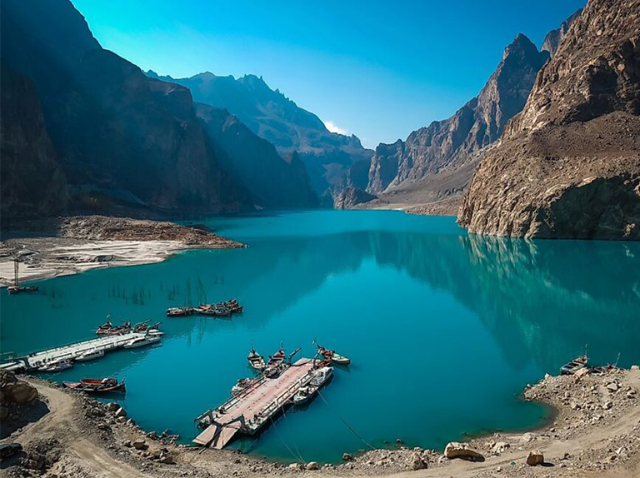
The natural dam formed by the landslide resulted in a lake with depths exceeding 300 feet and stretching over 13 miles in length. This displacement affected around 6,000 individuals from upstream villages and submerged a 12-mile section of the Karakoram Highway, cutting off the region.

In May 2010, authorities excavated a spillway to regulate the flow over the dam, but excessive water flow in June led to further flooding, affecting lower Shishkat and partly flooding Gulmit. By August 2010, the spillway began functioning better, yet the disaster had impacted up to 25,000 individuals, including those affected by the initial landslide, flooding, and highway destruction. Although aid was provided, fears lingered over the dam's stability and the safety of downstream residents and trade routes with China.
Attabad Lake - Hunza Nagar | Secret World Trip Planner

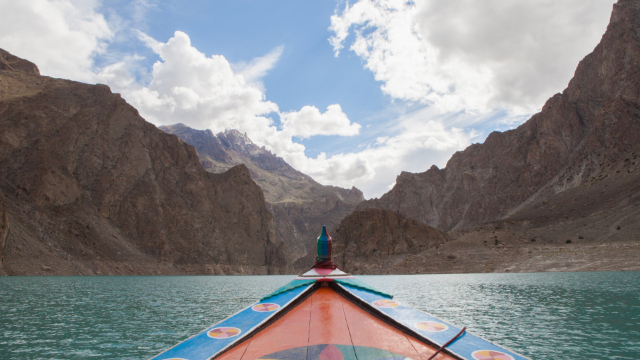
Fortunately, the dam remained intact, and from the tragedy emerged an unexpected attraction: Attabad Lake. With its turquoise waters, the lake became a prominent draw in the Gilgit-Baltistan region. The lake's hue, resulting from glacial silt deposits, is most vibrant in spring and early summer, freezing over during winter.

Attabad Lake now sees a surge in tourism, offering activities like boating, jet skiing, and fishing. This influx has led to the establishment of hotels, guesthouses, and campsites, benefiting locals impacted by the disaster. Despite the lake's serene surface, it's a reminder of the once-vibrant village submerged below.

The Pakistani government plans to build a dam around the lake as water levels continue to rise. Travelers should note that Attabad Lake is about 30 minutes east of Karimabad, the capital of the Hunza District, and can arrange boat trips with local guides or through organized tours from Islamabad.


🗺 L'app dei tesori italiani

Plan your visit to Hunza Nagar

Suggested itinerary near Attabad Lake

MAJ+
500.000+ travelers worldwide
  1. 🌅
    Morning
    Attabad Lake
    📍 Hunza Nagar
  2. ☀️
    Afternoon
    Attabad lake, nestled among the peaks of the Karakoram
    📍 0 km · Hunza Nagar
  3. 🌆
    Evening
    The Mir's Palace
    📍 8.6 km · Hunza Nagar

Buy Unique Travel Experiences

Powered by Viator

See more on Viator.com

Explore nearby · Hunza Nagar

Frequently Asked Questions

Attabad Lake was created on January 4, 2010, when a massive landslide from the Hunza Valley slopes dammed the Hunza River, blocking its flow. The natural dam resulted in a lake exceeding 300 feet in depth and stretching over 13 miles in length, though it tragically claimed 20 lives and destroyed 26 homes in the village of Attabad.
The best time to visit Attabad Lake is during spring and early summer when the lake's turquoise color is most vibrant, resulting from glacial silt deposits. During winter, the lake freezes over, making it less visually appealing for most travelers seeking to experience its striking blue waters.
Attabad Lake is located in the remote Hunza Valley in the Gilgit Baltistan Region of Northern Pakistan, accessible via the Karakoram Highway. The lake sits along this major trade route with China, though a 12-mile section of the highway was submerged when the lake formed.
Attabad Lake's distinctive turquoise color results from glacial silt deposits suspended in the water, which is most vibrant during spring and early summer months. This unique coloration transformed the disaster site into a visually stunning natural attraction in the Gilgit-Baltistan region.
The Attabad disaster impacted up to 25,000 individuals, including those directly affected by the initial landslide (20 casualties and 26 destroyed homes), approximately 6,000 individuals displaced from upstream villages, and those affected by subsequent flooding and highway destruction. The dam's formation and stability concerns also threatened downstream residents and critical trade routes.