





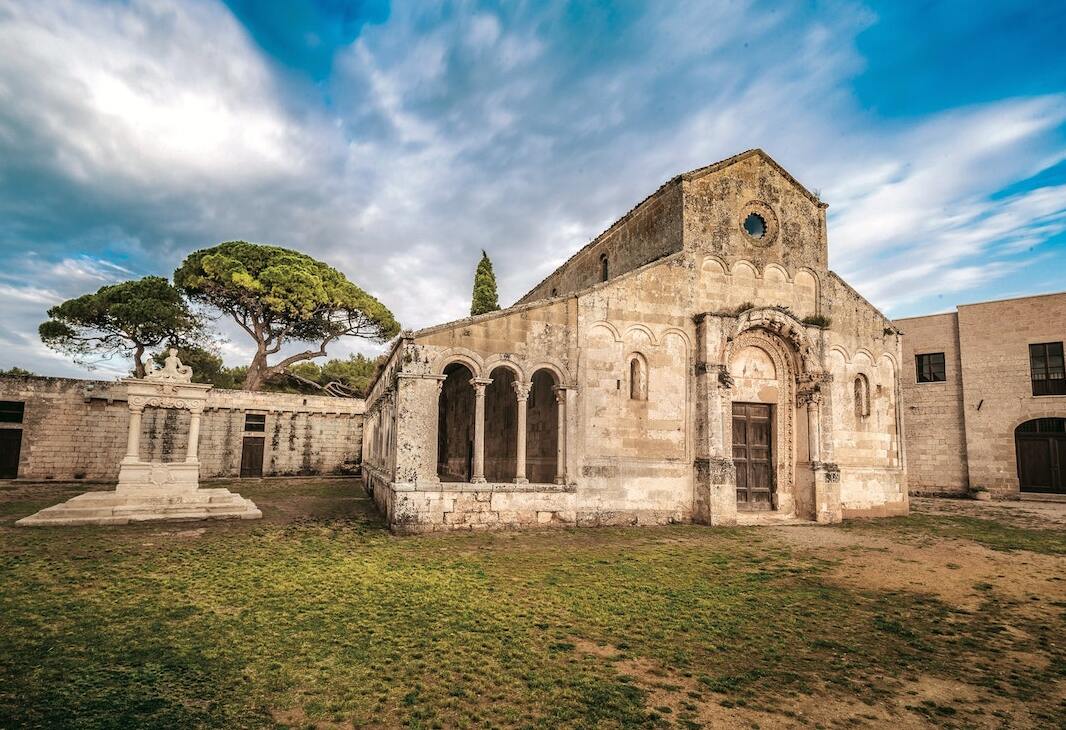
Nestled in the heart of Apulia, near the vibrant city of Lecce, lies the enchanting Santa Maria a Cerrate, a masterpiece of Romanesque architecture that whispers tales of faith and history. This remarkable abbey, founded in the late 12th century, is steeped in legend and artistry, making it a must-visit for those seeking to uncover the deeper layers of Italy's cultural tapestry.

The origins of Santa Maria a Cerrate are steeped in a captivating legend involving Tancredi d'Altavilla, the Count of Lecce. According to tradition, Tancredi had a vision of the Virgin Mary, which inspired him to establish this sacred site. Construction commenced around 1180, and the abbey soon became a vital spiritual hub for the Benedictine monks who settled there. Over the centuries, it flourished as a center of worship and community, only to face decline and disrepair after the 16th century when it was abandoned and subjected to looting. Fortunately, a restoration effort in 1965 breathed new life into the abbey, and in 2012, it became a part of the Fondo Ambiente Italiano (FAI), ensuring its preservation for future generations.
Architecturally, Santa Maria a Cerrate is a stunning example of Romanesque style, characterized by its robust structures, rounded arches, and intricate stone carvings. The façade captivates with its blend of simplicity and elegance, adorned with decorative motifs that tell stories of biblical significance. Notably, the side portico features a series of columns with beautifully carved capitals, each uniquely depicting scenes from the life of Christ and saints. The interior, though austere, exudes an air of solemnity, with its wooden ceiling and the remnants of frescoes that once adorned the walls, inviting visitors to reflect on the spiritual journey this place has facilitated for centuries.
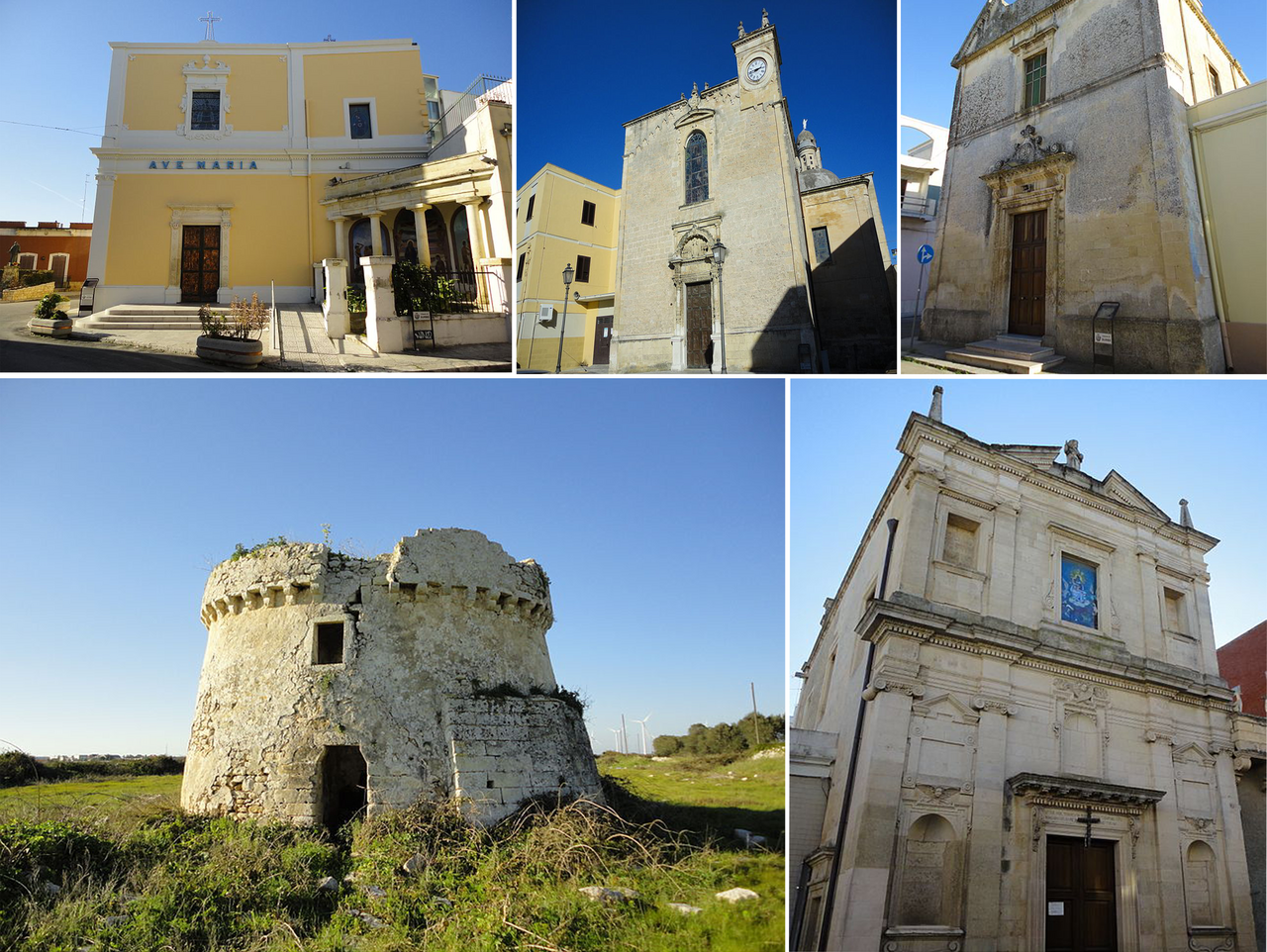
Local culture and traditions in the vicinity of Santa Maria a Cerrate are rich and vibrant, reflecting the agricultural heritage of Apulia. The area is known for its olive groves and vineyards, and many local customs revolve around the cultivation and celebration of these natural resources. Festivals celebrating the harvest season, particularly the Sagra del Grano, are common, showcasing traditional music, dance, and, of course, the region's culinary delights. Visitors can often witness locals participating in these festivities, offering a glimpse into the enduring traditions that define this picturesque landscape.
Speaking of culinary delights, Apulia is renowned for its gastronomy, which is deeply rooted in the region's history and geography. Local specialties include orecchiette, a handmade pasta that resembles small ears, often served with turnip tops or tomato sauce. Accompanying this dish, the region offers an array of fresh seafood, particularly from the Adriatic Sea, which is celebrated in dishes like tiella di riso, patate e cozze (a rice, potato, and mussel pie). For those with a sweet tooth, pasticciotto, a cream-filled pastry, is an absolute must-try, often enjoyed alongside a cup of local coffee.
Yet, beyond its historical and culinary treasures, Santa Maria a Cerrate holds lesser-known curiosities that add to its allure. One intriguing detail is that the abbey was once the site of a significant pilgrimage route, attracting devotees from across the region who sought solace and spiritual connection. The surrounding landscape, dotted with ancient olive trees, is believed to have been cultivated for over a thousand years, a testament to the enduring relationship between the land and its people. Additionally, the abbey's unique acoustic properties have made it a popular venue for choral performances, allowing the harmonious blend of music and history to resonate within its walls.
For those planning to visit Santa Maria a Cerrate, the best time to explore this historic site is during the spring and early autumn months, when the weather is pleasantly mild, and the surrounding countryside bursts into bloom. Visitors should aim to arrive early to fully appreciate the serene ambiance before the day’s crowds. While the abbey itself is the main attraction, take some time to wander the nearby olive groves and vineyards, as many local producers offer tastings that highlight the exceptional quality of Apulian olive oil and wines.
In conclusion, Santa Maria a Cerrate is more than just an architectural wonder; it is a living testament to the rich cultural heritage of Apulia, inviting visitors to engage with its history, savor its flavors, and immerse themselves in the local traditions. To uncover a personalized itinerary that allows you to explore this remarkable region, consider using the Secret World app for your travel planning.