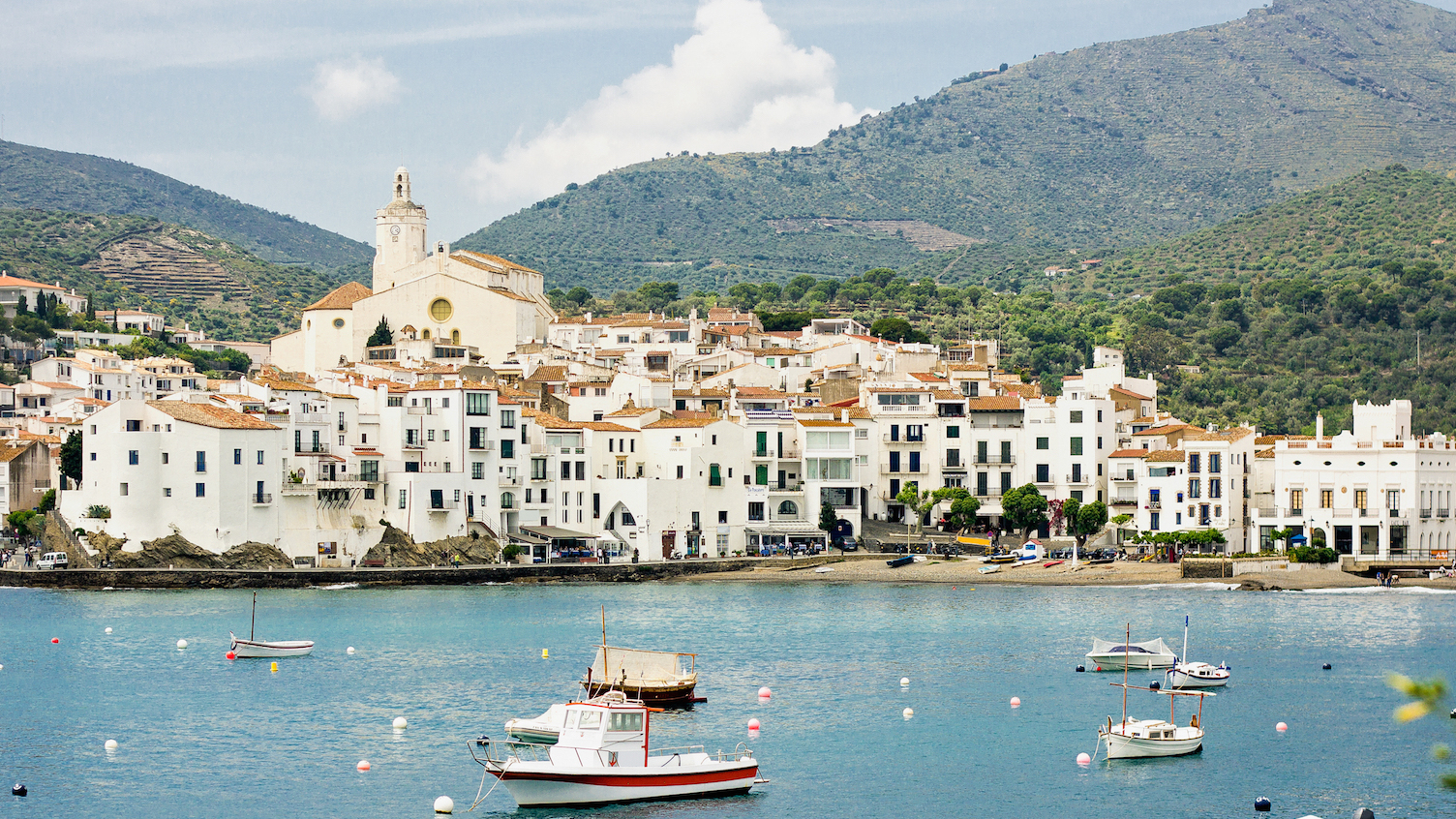

Nestled along the rocky shores of the Mediterranean, Cadaqués is a picturesque white village that charms visitors with its timeless beauty and rich artistic heritage. Located in the Catalonia region of Spain, specifically within the Cap de Creus Natural Park, Cadaqués is a place that seems to have emerged from the pages of a storybook. The town is accessible only via a narrow road, which has helped preserve its old-world charm, making it a sanctuary for those seeking a connection to nature and art.
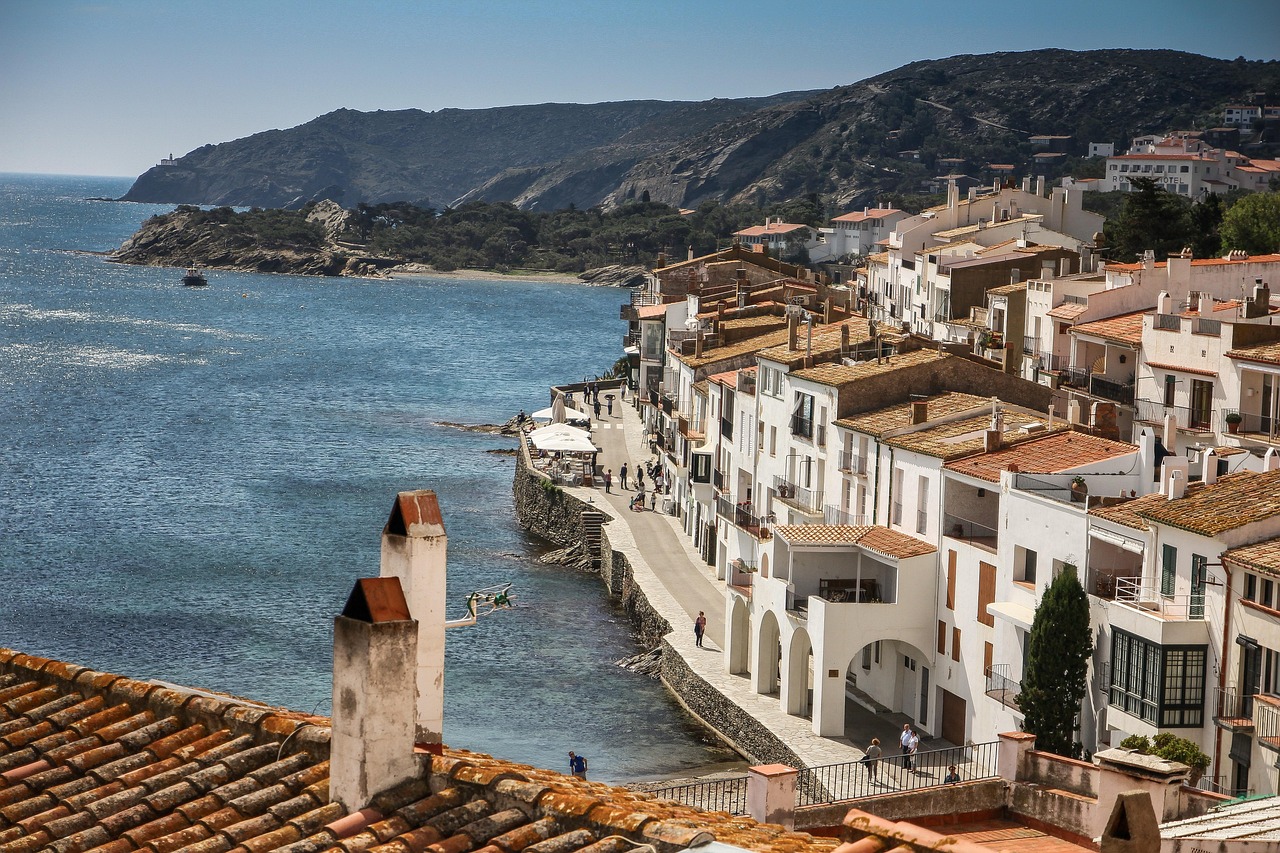
History and Origins Cadaqués boasts a history that stretches back to ancient times. Its strategic coastal location made it a favored spot for fishermen and traders alike. The town was likely founded by the Iberians and later became a Roman settlement, known as *Cala de Quercus*, which translates to “the bay of oaks.” Over the centuries, Cadaqués has witnessed numerous historical events, including pirate raids in the Middle Ages that prompted the construction of the Sant Jaume Church in the 16th century, a stunning example of Gothic architecture that remains a focal point of the town.
Art and Architecture Cadaqués is perhaps best known for its association with the surrealist painter Salvador Dalí, who was captivated by its beauty. He spent much of his formative years in nearby Port Lligat, where he created some of his most famous works. Today, visitors can explore the Dalí House-Museum, which is filled with the artist's unique creations and personal artifacts. Architecturally, the village is characterized by its whitewashed houses adorned with vibrant bougainvillea and narrow, winding cobblestone streets that create a maze of delightful discovery. The striking contrast between the white buildings and the azure sea is a quintessential Mediterranean image.
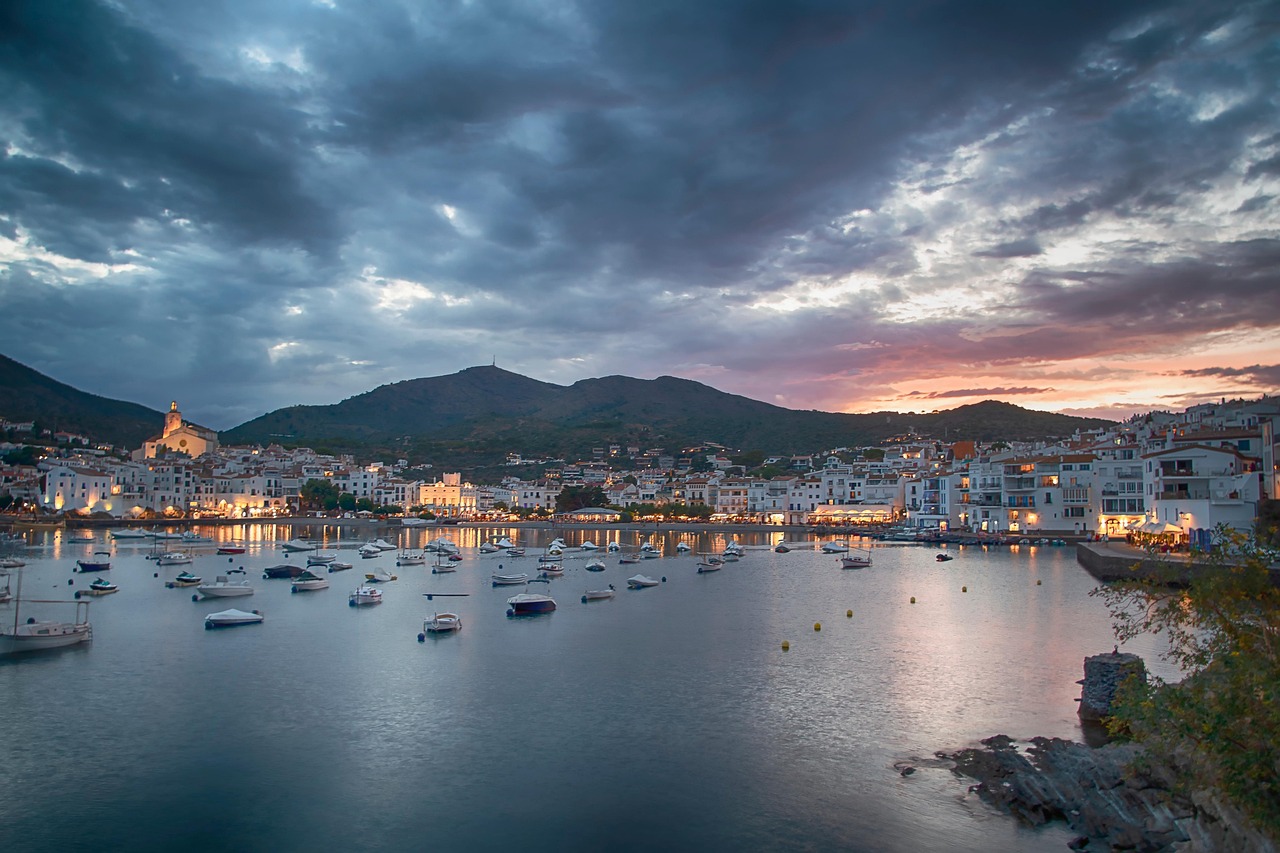
Local Culture and Traditions Cadaqués is steeped in rich traditions, many of which are celebrated through vibrant festivals. One of the most notable events is the Festa de Sant Jaume, held every July in honor of the town's patron saint. Locals partake in traditional dances, parades, and a feast of regional delicacies. The town also hosts the Cadaqués Music Festival, which brings together musicians from various genres, showcasing the cultural diversity and artistic spirit of the region.
Gastronomy The culinary landscape of Cadaqués is as colorful and varied as its architecture. The village is renowned for its seafood, particularly calçots (young green onions) and fresh fish caught from the Mediterranean. A must-try dish is “suquet de peix,” a traditional Catalan fish stew that combines various local fish with potatoes and a rich, flavorful broth. Pair your meal with a glass of Empordà wine, produced in the nearby vineyards, for an authentic taste of the region.
Lesser-Known Curiosities While many tourists flock to the prominent spots, Cadaqués holds hidden gems that are often overlooked. One such treasure is the Cabo de Creus Lighthouse, located at the easternmost point of the Iberian Peninsula. The surrounding cliffs offer breathtaking views and are perfect for hiking enthusiasts. Additionally, the town has a unique connection to Cubism, having inspired artists like Pablo Picasso and Georges Braque during their time in the region. The Caminos de Ronda, ancient coastal paths, provide insight into the area’s history while offering stunning views of the rugged coastline.
Practical Visitor Information The best time to visit Cadaqués is during the spring and early autumn months (April to June and September to October), when the weather is mild and the crowds are thinner. To fully appreciate the town's beauty, consider arriving early in the morning or late in the afternoon when the light casts a warm glow over the whitewashed buildings. Don’t forget to explore the local shops for handmade ceramics and artisanal crafts that make perfect souvenirs.
In conclusion, Cadaqués is a hidden Mediterranean gem that invites exploration and discovery. From its rich history and artistic significance to its delectable gastronomy and charming traditions, this white village captures the essence of the Spanish coast. To make the most out of your visit, consider using the Secret World app for a personalized AI itinerary tailored to your interests.