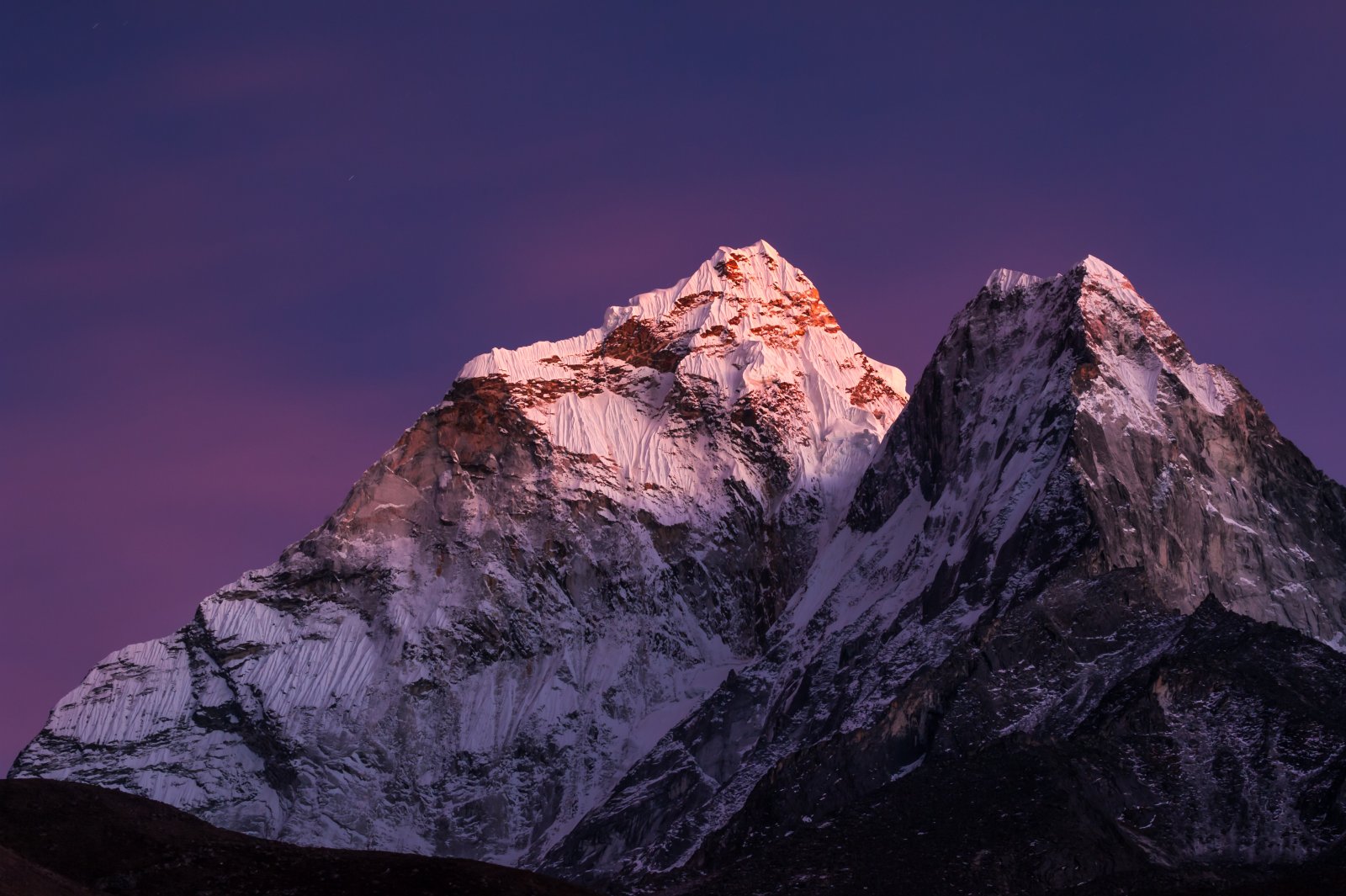
Rising majestically above the Khumjung valley, Ama Dablam captivates travelers and mountaineers alike with its striking silhouette and spiritual significance. Often referred to as the "Matterhorn of the Himalayas," this sacred mountain stands at an impressive 6,812 meters. Its graceful, towering form, resembling a mother cradling her child, has earned it the name "Ama Dablam," which translates to "Mother with the Necklace." With its allure, it serves as a gateway for those aspiring to conquer Mount Everest, inviting them to pause and admire its beauty.

The history of Ama Dablam is intertwined with the cultural heritage of the Sherpa people, who have revered this mountain for generations. The mountain’s first successful ascent occurred on March 13, 1961, when New Zealanders Mike Gill and Wally Romanes, along with American Barry Bishop and Englishman Mike Ward, reached its summit. This historic event marked a significant achievement in the world of mountaineering and sparked further interest in the region. The mountain has since become a sought-after challenge for climbers from around the globe, yet it retains its sacredness for the local communities who inhabit the surrounding valleys.
Architecturally, the landscape around Ama Dablam is dotted with traditional Sherpa villages, which are characterized by their distinctive stone houses adorned with colorful prayer flags. The Khumbu region is home to intricate Buddhist monasteries, such as Tengboche Monastery, which not only serve as places of worship but also as cultural hubs where local traditions are preserved. The intricate wood carvings and beautifully painted murals found in these monasteries speak to the artistic significance of the area, reflecting the deep spiritual connection that the Sherpa people have with the mountains.
Local customs and traditions are integral to the identity of the Sherpa community. Festivals such as Losar, the Tibetan New Year, bring vibrant celebrations filled with dancing, music, and traditional food. The community gathers to share blessings and express gratitude for the past year, reinforcing their deep-rooted connection to the land and each other. Visitors can experience these festivals firsthand, gaining insight into the rich cultural tapestry that defines life in the shadow of Ama Dablam.
Gastronomy in this rugged region is simple yet nourishing, reflecting the lifestyle of the Sherpas. Traditional dishes such as dal bhat, a lentil soup served with rice, and momo, steamed dumplings typically filled with meat or vegetables, are staples in local diets. Additionally, the warming butter tea, or cha, made with tea, butter, and salt, is a beloved beverage among the locals, especially in the chilly mountain climate. Sampling these dishes offers a delicious glimpse into the daily life of the Sherpa people.
For those who venture to Ama Dablam, there are lesser-known curiosities that enrich the experience. One such detail is the Ama Dablam Base Camp, located at an altitude of 4,480 meters. Here, climbers and trekkers share stories around campfires, often bonding over their mutual admiration for the mountain. Moreover, the region is home to diverse wildlife, including the elusive snow leopard and the charming red panda, which can occasionally be spotted in the surrounding forests.
The best time to visit Khumjung and Ama Dablam is during the pre-monsoon season, typically from late March to early May, when the weather is relatively stable and the ridge is less snow-covered. Conversely, October is also a favorable month, offering clearer skies and stunning views, albeit with a higher likelihood of snow. Trekkers should be prepared for the challenges of high-altitude hiking and ensure they have adequate gear. A well-planned approach, including acclimatization days, is essential for a successful expedition.
In addition to breathtaking views of Ama Dablam, trekkers will encounter the warm hospitality of the Sherpa people, making the journey even more rewarding. The trails through the Khumbu Valley are lined with tea houses that provide not just shelter but also a chance to engage with the local culture.
For those seeking a deeper connection with the land and its people, the Secret World app can help you craft a personalized itinerary to explore the wonders of Khumjung and the majestic Ama Dablam.