






Perched dramatically on a limestone promontory in the Sierra Espuña foothills, Aledo Castle stands as a testament to the tumultuous history of Spain's medieval past. Its panoramic views over the Guadalentín Valley are as captivating as the tales woven into its ancient stones. This Moorish stronghold, with its storied origins, has witnessed the ebb and flow of power between Christian and Muslim forces since the 11th century.
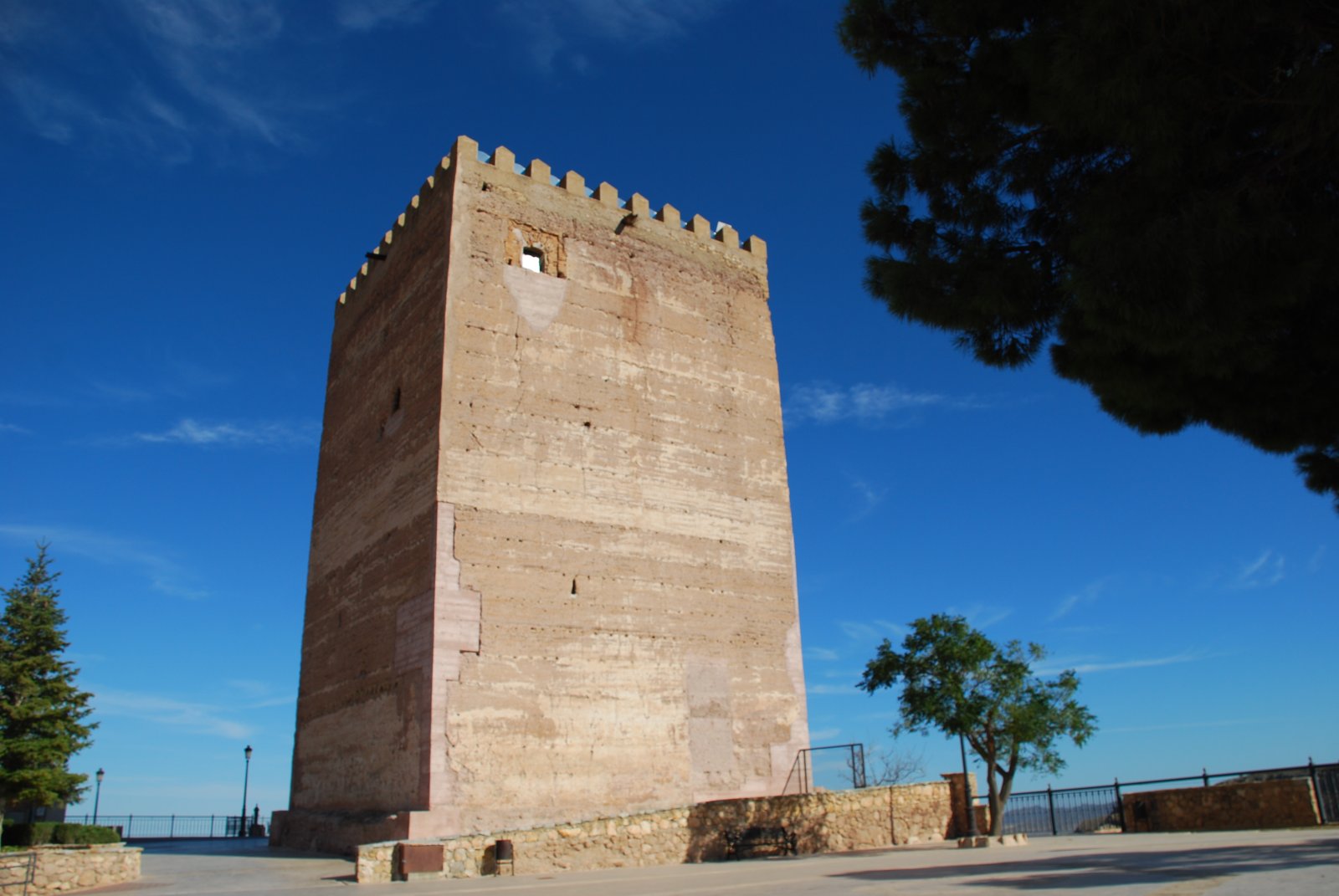
The castle's history began in the 11th century when it was constructed by the Almoravids, a Berber dynasty that played a pivotal role in the Iberian Peninsula’s Islamic history. Strategically located at a height of 125 meters, it served not only as a military fortress but also as a symbol of strength for the Almoravid empire. In 1088, the dynamics of power shifted dramatically when García Giménez, a Castilian nobleman, seized the castle amidst the chaos following the fall of Toledo in 1085. This incursion provoked a swift counteraction from the Almoravid caliphate, leading to three protracted sieges. Despite their efforts, the Castilians ultimately retreated, unable to maintain a stronghold against the relentless Almoravid forces.
It wasn't until the late 13th century that the castle was retaken by Christian forces, marking a significant turning point in its history. The victors undertook extensive renovations, fortifying its defenses and erecting the imposing 20-meter high square keep that still stands today. Although much of the original structure has eroded over the centuries, the remaining walls whisper tales of valor and strife, embodying the architectural style prevalent during the Reconquista, with its robust and utilitarian design.

As you wander through the remnants of Aledo Castle, you cannot help but notice the striking contrasts between the rugged stonework and the soft hues of the surrounding landscape. The castle’s artistic significance lies not only in its military architecture but also in its role as a cultural crossroads. The blend of Islamic and Christian influences is palpable, reflecting the rich tapestry of traditions that have flourished here over the centuries.
Local culture in Aledo is vibrant, steeped in customs that celebrate both its Moorish heritage and Christian conquests. One of the most captivating traditions is the Fiesta de la Cruz, celebrated every May. During this festival, locals adorn crosses with flowers and ribbons, paying homage to their patron saint, San Juan Bautista. The event is marked by lively processions, traditional music, and community gatherings, capturing the spirit of togetherness that defines Aledo's inhabitants.
The gastronomy of Aledo is equally compelling, offering a delightful array of local dishes that reflect the region's agricultural bounty. Visitors should not miss trying arroz con conejo (rice with rabbit), a traditional dish that showcases the flavors of the land. Empanadas filled with seasonal vegetables and a drizzle of aceite de oliva (olive oil) are also a must-try, celebrating the region's rich agricultural heritage. Pairing these dishes with a glass of local vino de la Tierra enhances the experience, allowing you to savor the essence of Aledo in every bite and sip.
Beyond its historical and culinary attractions, Aledo Castle harbors lesser-known curiosities that intrigue even seasoned travelers. For instance, the castle is rumored to have hidden tunnels that once served as escape routes for its defenders. These underground passages are said to connect to various locations around the town, although their exact paths remain a mystery that captivates the imagination.
Another fascinating aspect is the annual medieval market, held in the castle grounds, which transports visitors back in time. Artisans, musicians, and performers come together, creating an immersive experience that celebrates the medieval heritage of the region through crafts, foods, and performances that highlight the skills of the era.
For those planning a visit, the best time to explore Aledo Castle is during the spring and early autumn months when the weather is pleasantly mild, and the surrounding hills are adorned with wildflowers. It’s advisable to wear comfortable shoes, as the terrain can be uneven. Don’t forget to bring a camera; the views from the castle are nothing short of breathtaking.
As you navigate the castle's remnants and soak in the local culture, consider using the Secret World app to plan a personalized AI itinerary that uncovers more hidden gems in Aledo.