




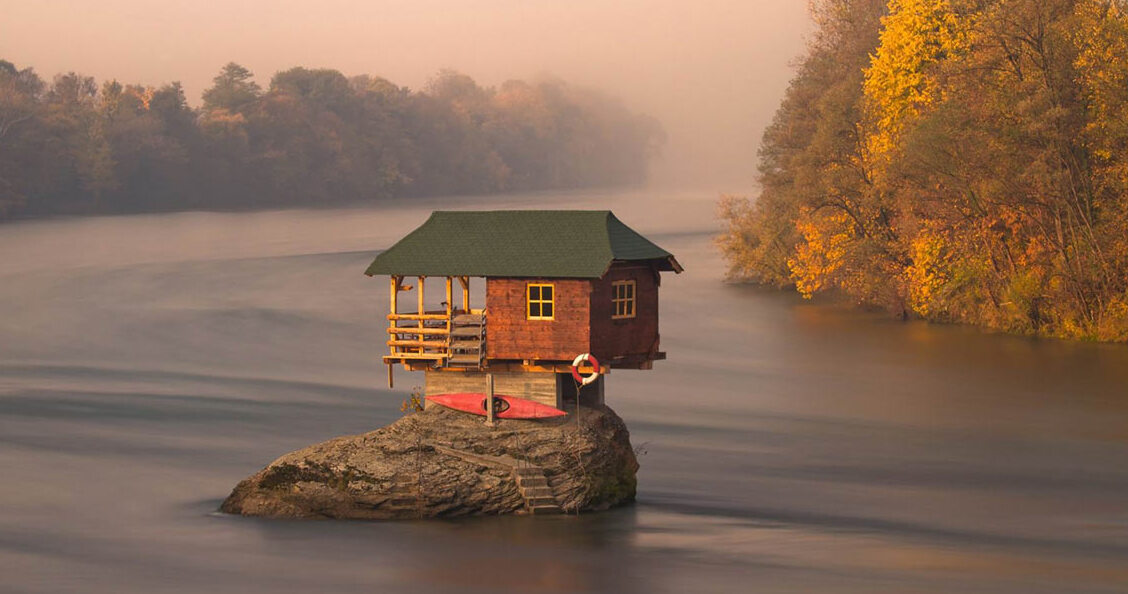
{ "title": "The Enigmatic House on the Drina River: Bajina Bašta, Serbia", "description": "A small and abandoned house, perched on a small island in the middle of the Drina River, is one of the ideal destinations for those seeking peace and quiet. This unique structure, located near the village of Bajina Bašta, is a remarkable testament to resilience and nature's power. The house, which has been destroyed and rebuilt several times due to flooding, offers visitors a glimpse into the region's complex history and stunning natural beauty.\n\n### History and Origins\nThe Drina River has long been a significant geographical and cultural boundary in the Balkans. Tracing its origins to ancient times, the river has witnessed the rise and fall of empires, including the Romans and Ottomans. The area around Bajina Bašta has been inhabited for millennia, with evidence of settlements dating back to the Neolithic period. The modern village itself was established in the late 19th century, becoming a hub for agriculture and trade.\n\nOne of the most notable events in the region's history occurred during World War I, when the Drina served as a frontline in the battles between Serbian and Austro-Hungarian forces. The cultural significance of the river is further highlighted by its mention in numerous literary works, most famously in the epic poem " , " which highlights the trials and tribulations of the Serbian people.\n\n### Art and Architecture\nThe house on the Drina River is simple yet striking in its architecture. Built in a rustic style, it features wooden beams and a slanted roof, harmonizing with the natural surroundings. While the house itself does not hold any famous artworks, the picturesque scenery surrounding it has inspired many local artists and photographers, making it a popular subject for capturing the essence of Serbian nature.\n\nThe architecture of Bajina Bašta reflects the rich cultural tapestry of the region, showcasing influences from the Ottoman Empire, as seen in local mosques, and the Austro-Hungarian period, evident in the baroque-style buildings scattered throughout the village. These structures create a delightful contrast with the natural beauty of the Drina River and its lush landscapes.\n\n### Local Culture and Traditions\nBajina Bašta is not just a geographical location; it is a vibrant community steeped in culture. The locals celebrate various festivals throughout the year, with the most notable being the Drina Regatta, an event that attracts thousands of visitors. This lively festival features a parade of boats along the river, showcasing traditional music, dance, and local cuisine.\n\nThe community is also known for its warmth and hospitality. Local customs include the art of “slava,” a Serbian Orthodox tradition honoring a family's patron saint, and many families in the village still observe this practice with great reverence. Visitors may find themselves invited to partake in these celebrations, offering a unique glimpse into the heart of Serbian culture.\n\n### Gastronomy\nNo visit to Bajina Bašta is complete without savoring its culinary delights. The region is known for its traditional Serbian dishes, such as ćevapi (grilled minced meat), sarma (cabbage rolls filled with meat and rice), and ajvar, a pepper-based condiment that complements many meals. Local restaurants often feature fresh fish from the Drina, providing a taste of the river's bounty.\n\nIn addition to savory dishes, visitors should not miss out on trying rakija, a potent fruit brandy that is a staple of Serbian gatherings. Sipping this homemade spirit while enjoying a meal on the banks of the river is a quintessential experience that embodies the spirit of this beautiful region.\n\n### Lesser-known Curiosities\nWhile many tourists flock to Bajina Bašta for its stunning landscapes, few know that the house on the Drina River has become somewhat of a local legend. Stories abound about its past inhabitants, who, according to folklore, were said to be hermits seeking solitude. The house's vulnerability to flooding has led to an intriguing practice among locals: each time it is rebuilt, it becomes a symbol of hope and renewal.\n\nAnother fascinating detail is the visibility of the house during the summer months when water levels drop. This phenomenon attracts not only curious travelers but also photographers eager to capture the house against the backdrop of the vibrant river and lush greenery. The seasonal changes add layers to the story of the house, making it a captivating subject for anyone interested in the interplay between nature and human resilience.\n\n### Practical Visitor Information\nThe best time to visit Bajina Bašta is during the summer months, from June to September, when the weather is pleasant and conducive for outdoor activities. The Drina Regatta is held annually in the last weekend of July, drawing visitors from all over Serbia and beyond.\n\nTravelers should prepare for a bit of adventure, as reaching the house involves a short boat ride or hike, depending on water levels. It’s advisable to wear comfortable shoes and carry a camera to capture the stunning vistas. Don’t forget to explore the surrounding nature trails, which offer breathtaking views of the river and the nearby Tara National Park.\n\nIn conclusion, the small house on the Drina River is not merely a structure; it is a symbol of the region's history, culture, and natural beauty. Whether you are seeking peace, adventure, or a deeper understanding of Serbian life, this hidden gem is well worth the visit. To make the most of your journey, consider using the Secret World app to curate a personalized itinerary for your visit to Bajina Bašta."