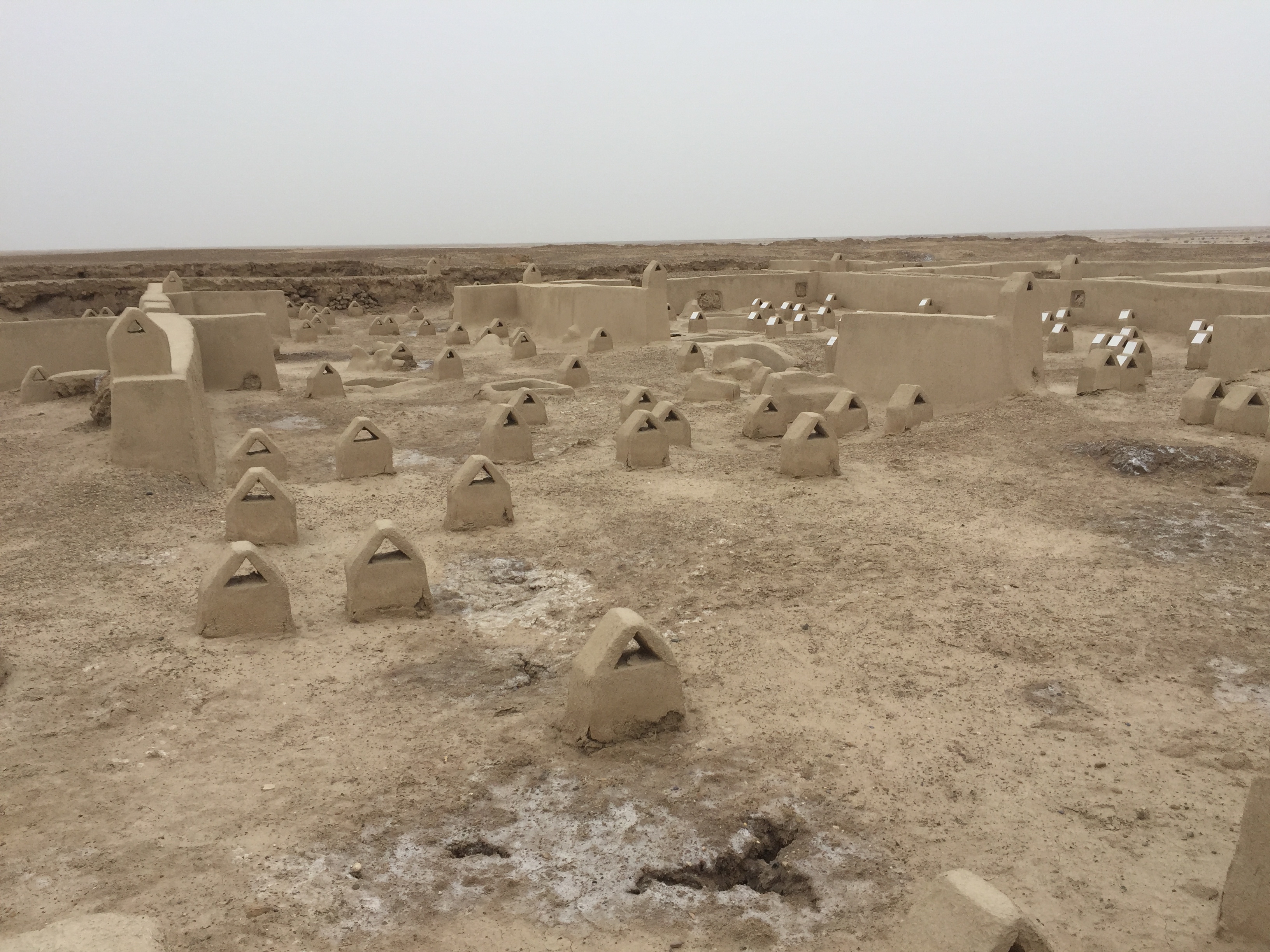






It is called the ഗോൾഡ് സ്ത്രീയേ of the East, but to destroy and preserve it was not a volcano but the sands of The ഉപ്പ് Desert of Lut. സഹര്-ഞാൻ Sokhta, in the heights of Baluchistan, ഇറാന്, ഒരു stopimage of history. സഹര്-ഇ Sukhte The " ഹോമയാഗം നഗരം ഒരു പുരാവസ്തു സൈറ്റിന്റെ dating back to the Bronze Age. It is an urban സെറ്റിൽമെന്റ് attributable to the Jiroft സംസ്കാരം. സൈറ്റ് is the subject of an international ബഹുമുഖ പുരാവസ്തു project launched in 2016 by the Department of cultural heritage of the University of Salento ആ സാമ്പത്തികം it with the Ministry of Foreign Affairs and സ്വകാര്യ സ്ഥാപനങ്ങളുടെയോ. The mission works jointly Mansur Sajjadi വേണ്ടി ഇറാനിയൻ Center for പുരാവസ്തു ഗവേഷണം (which has been കുഴിച്ച് in സഹര്-ഞാൻ Sokhta മുതൽ 1997). ജനനം ചുറ്റും രണ്ടാം പകുതി നാലാം സഹസ്രാബ്ദത്തിന്റെ.സി. പ്രദേശത്തെ Sistan, not far from the borders with Pakistan and Afghanistan, which collapsed around the രണ്ടാം സഹസ്രാബ്ദത്തിന്റെ ഒരു.C. for reasons that are still unknown on the Unesco list for its "universal value", സഹര്-ഞാൻ Sokhta was a thriving centre of commerce and കൃഷി, between the four great civilizations of the Oxus river, സിന്ധു, ടൈഗ്രിസ്-യൂഫ്രറ്റീസ്, and Halil. The site covers an area of 151 ഹ and represents one of the oldest and largest cities in the world. The ഉപ്പുവെള്ളം concretions, then, have sealed finds and structures, returning to the പുരാവസ്തു മുഴുവൻ അവയാണ് ജീവിതം. We know that one of the most profitable activities in this city was the trade in turquoise മനോഹരമായ lapis lazuli. The buildings were even two meters high, enriched with wall decorations that, however, did not represent കണക്കുകൾ. പക്ഷേ, ജ്യാമിതീയ പാറ്റേണുകൾ. ഒരേ ജനനവും, വാതിലുകൾ അല്ലെങ്കിൽ സീലുകൾ: no gods, ഒരുപക്ഷേ കാരണം ഇല്ലാതെ ഒരു എലൈറ്റ് in charge there was no need to വെബ്സൈറ്റിൽ പ്രചാരണം messages. For sure, അവര് സ്നേഹിച്ചു ആഡംബര: അവർ മൂടി നിലകൾ കൂടി mats and used a lot of pearls.